Free Shapes Coloring Coloring Pages
353 free shapes coloring pages — basic shapes for toddlers, beginner packs, geometric forms, patterned designs and activity sheets for all ages. Print-ready PDF, no account.
Browse by style

Or scroll down to browse all 353 pages →


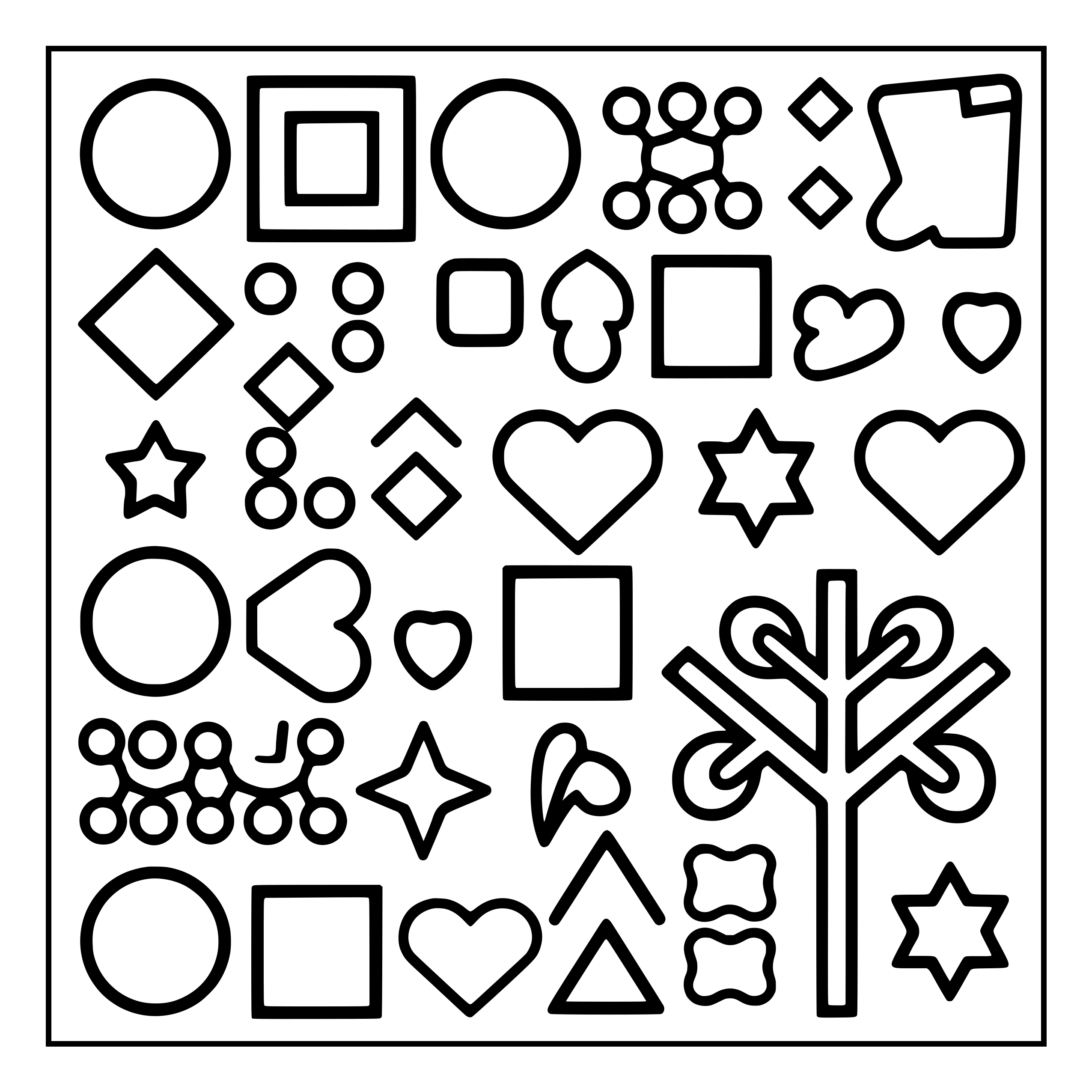
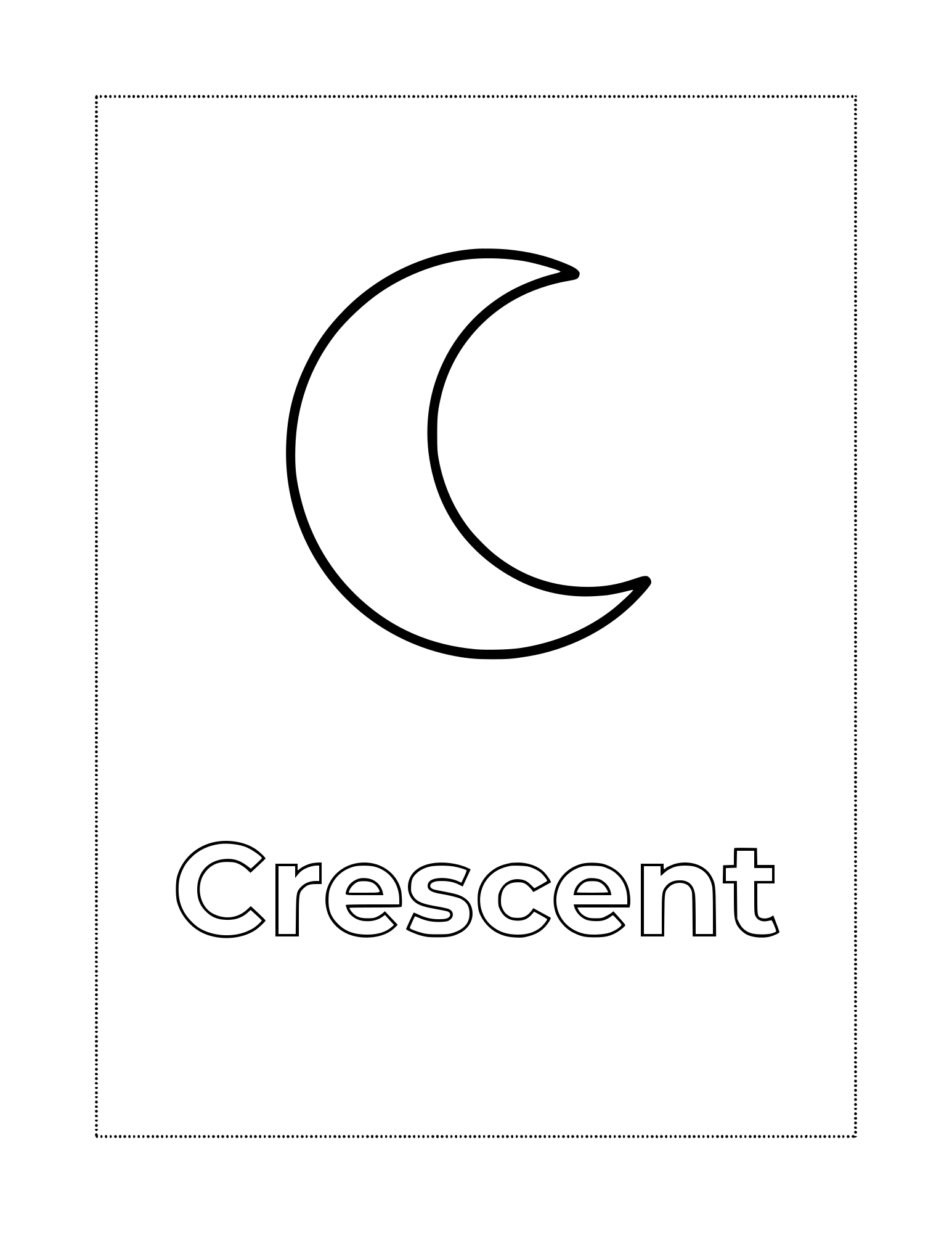
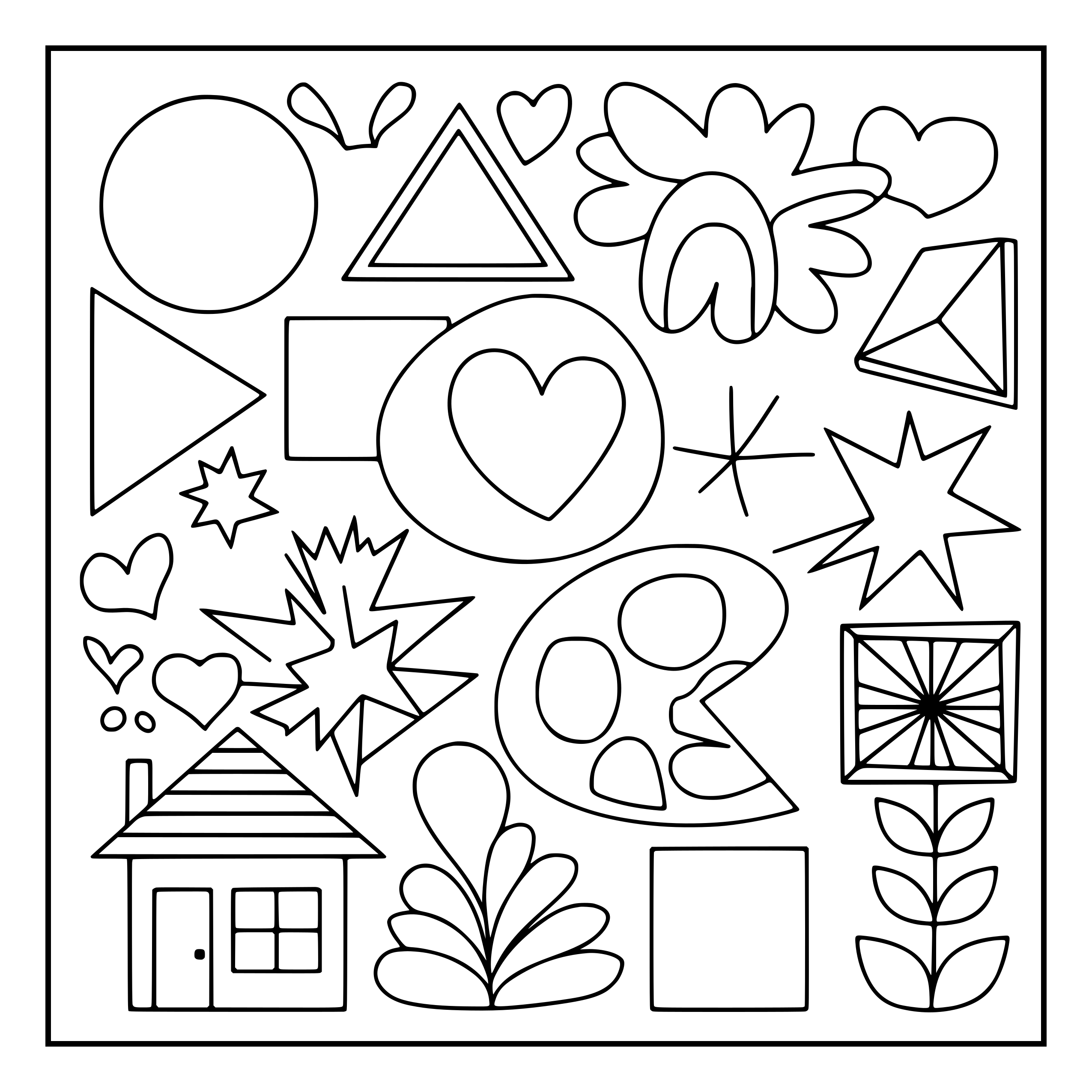







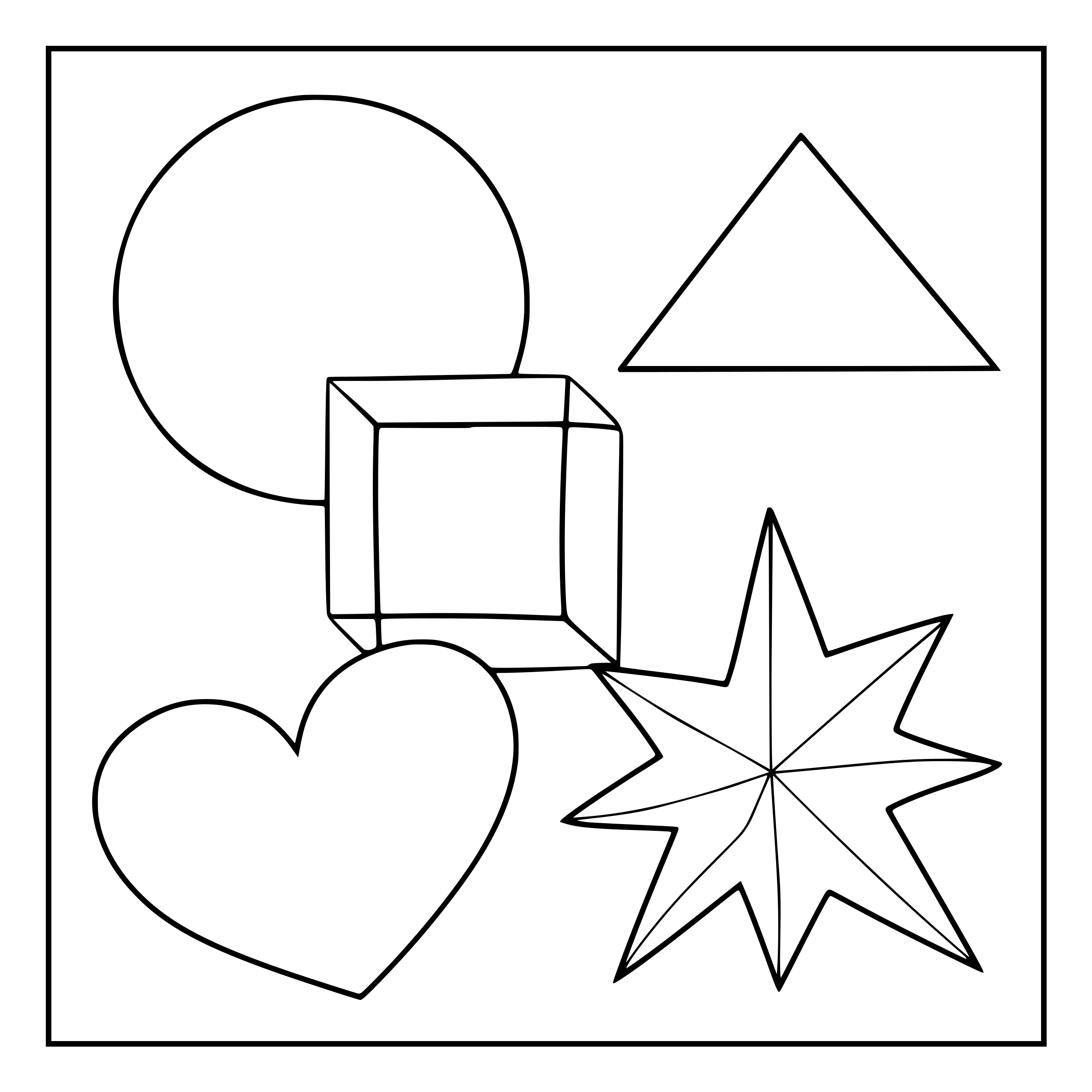
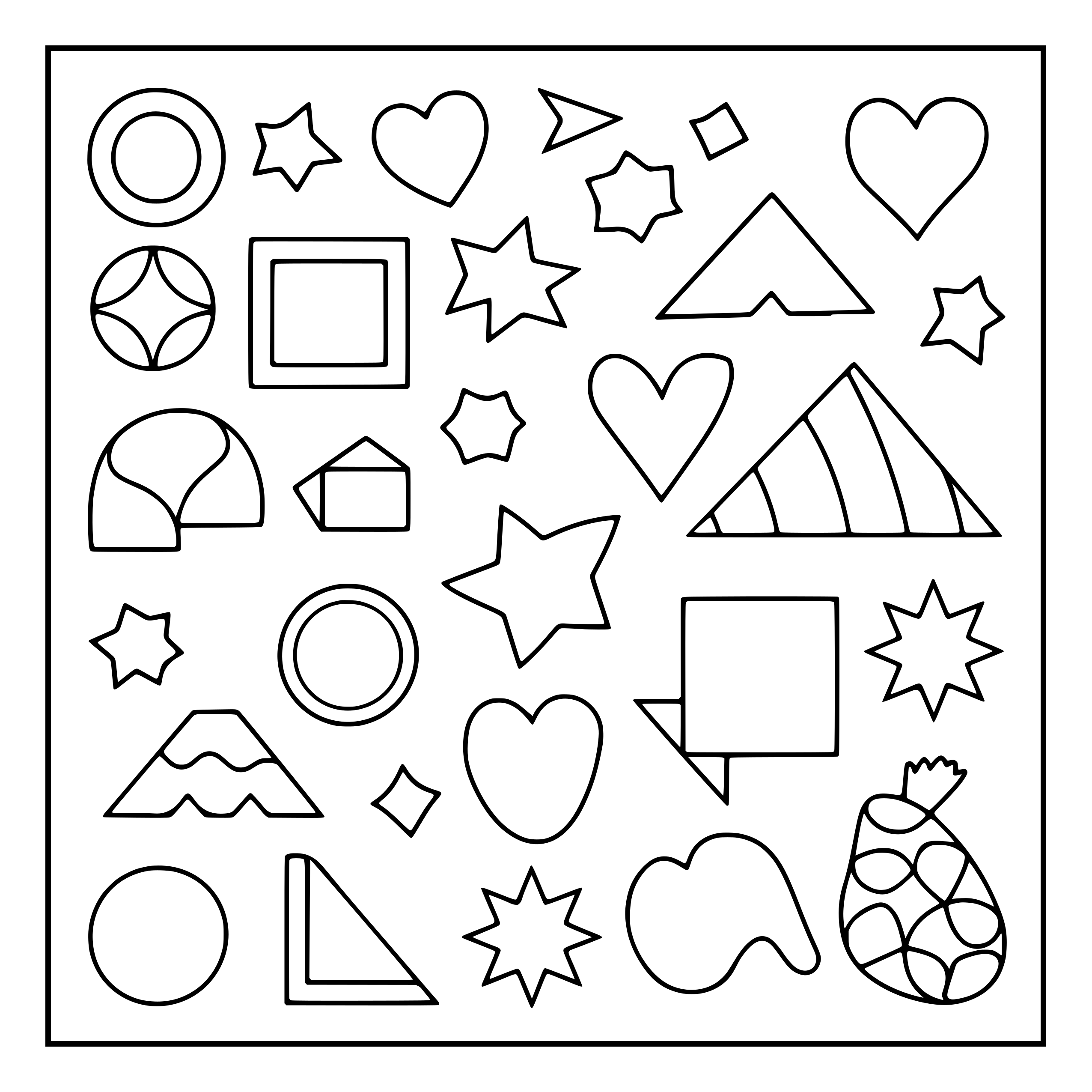









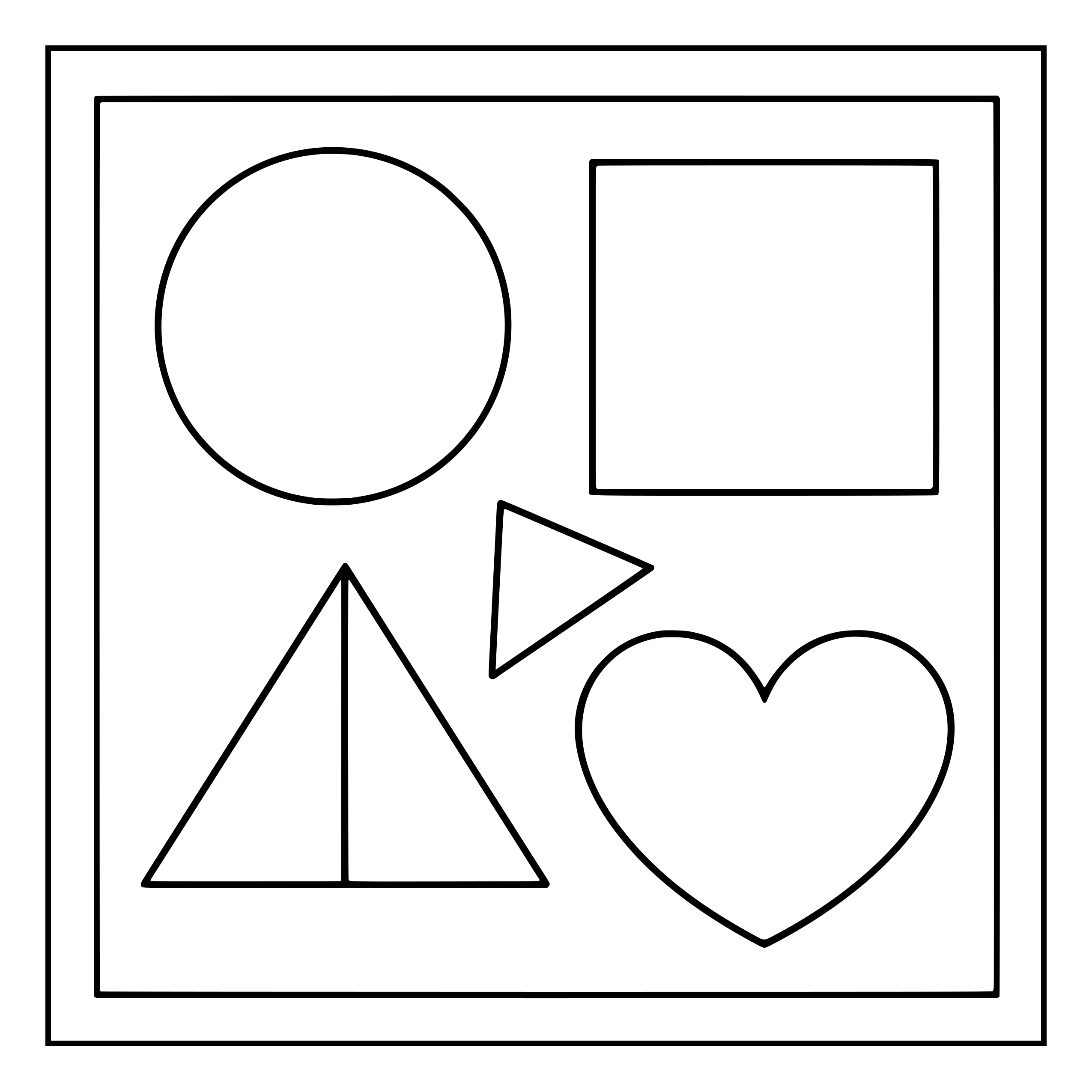

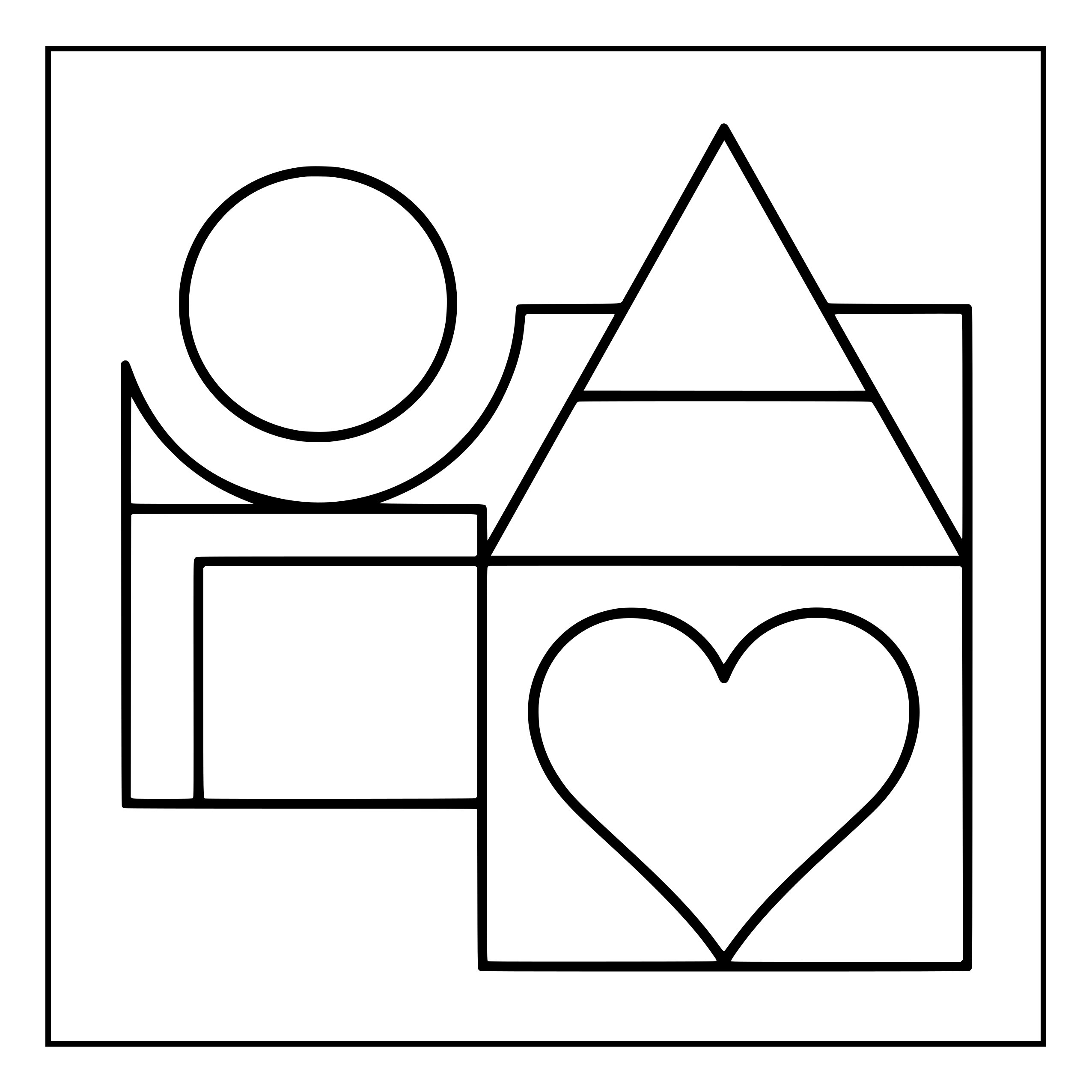
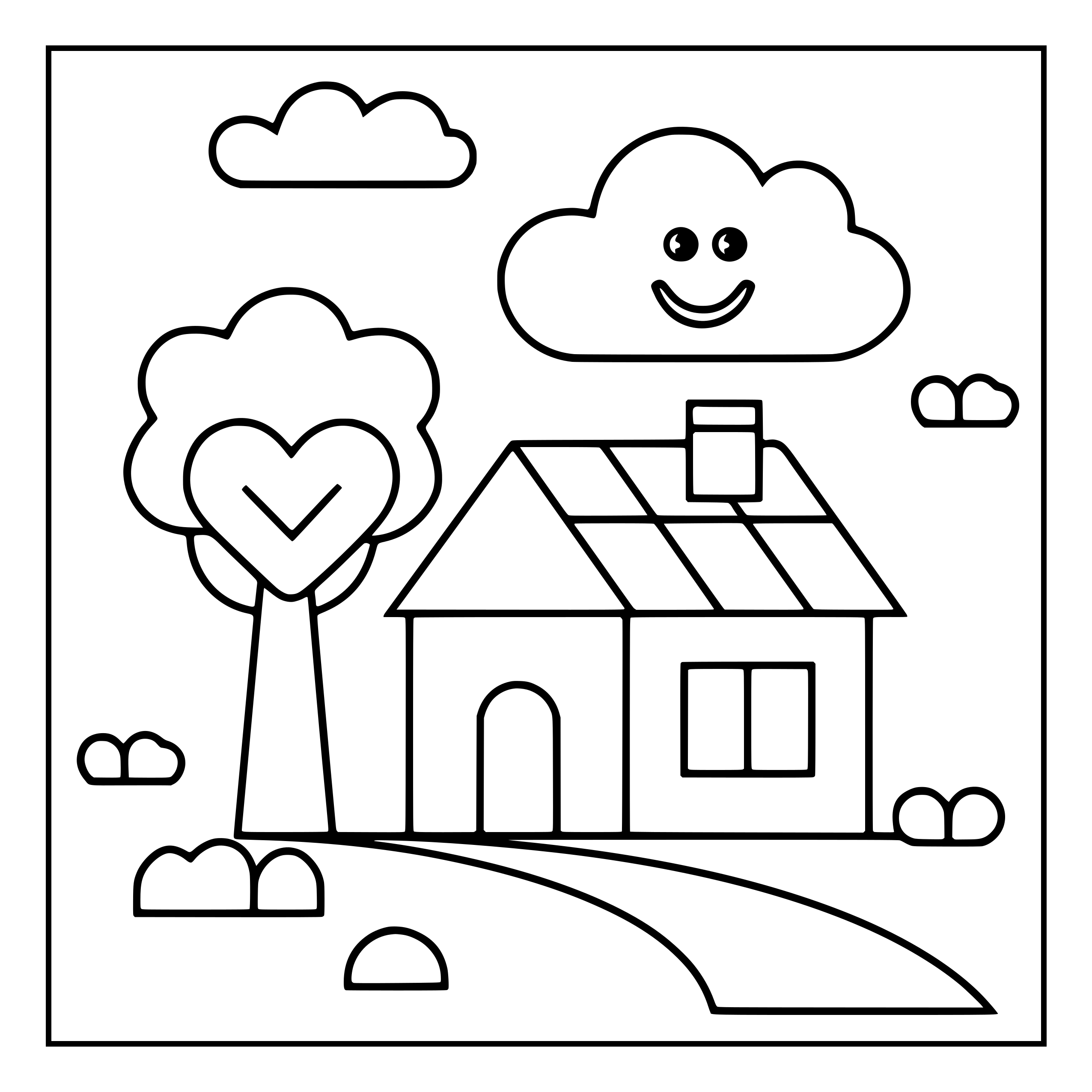
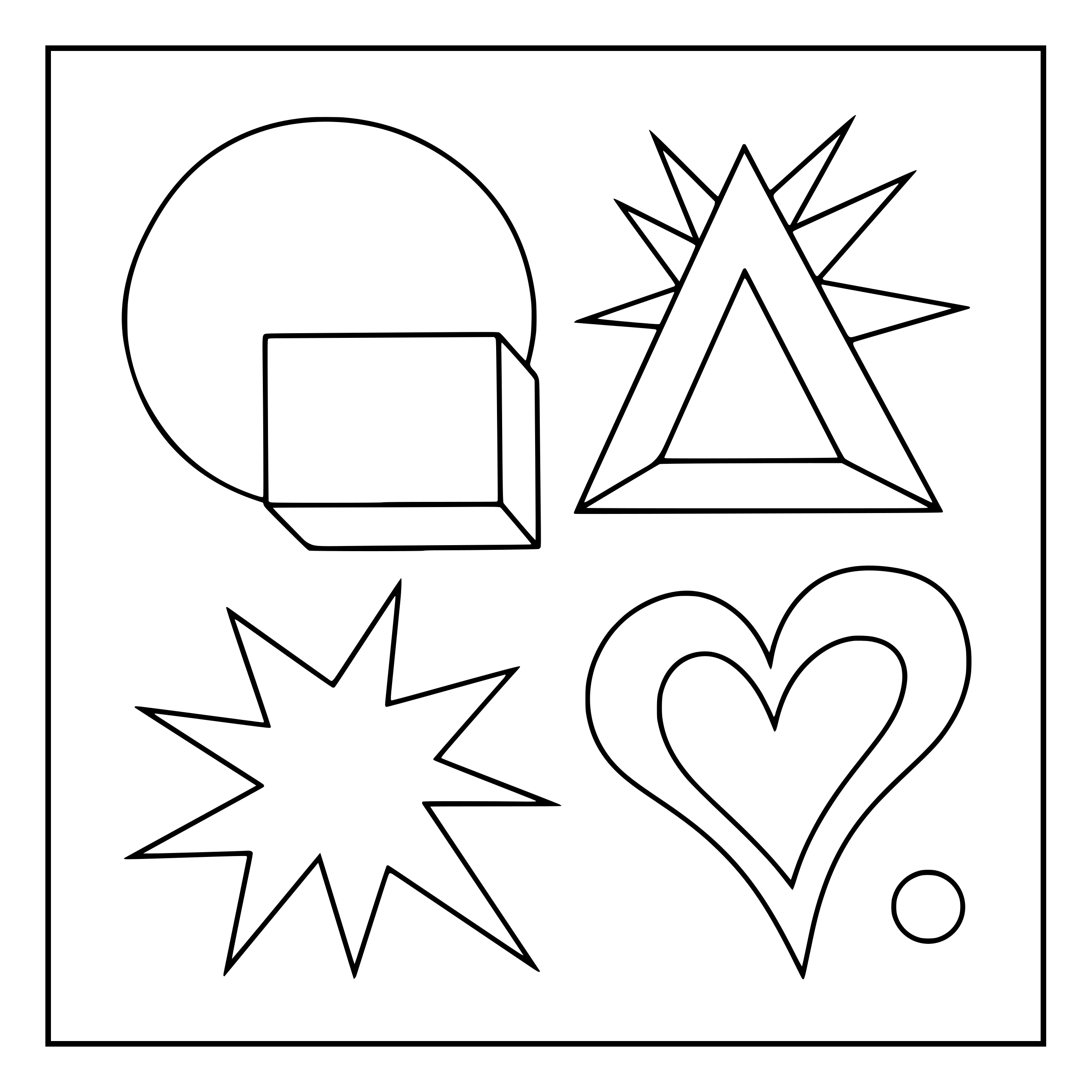



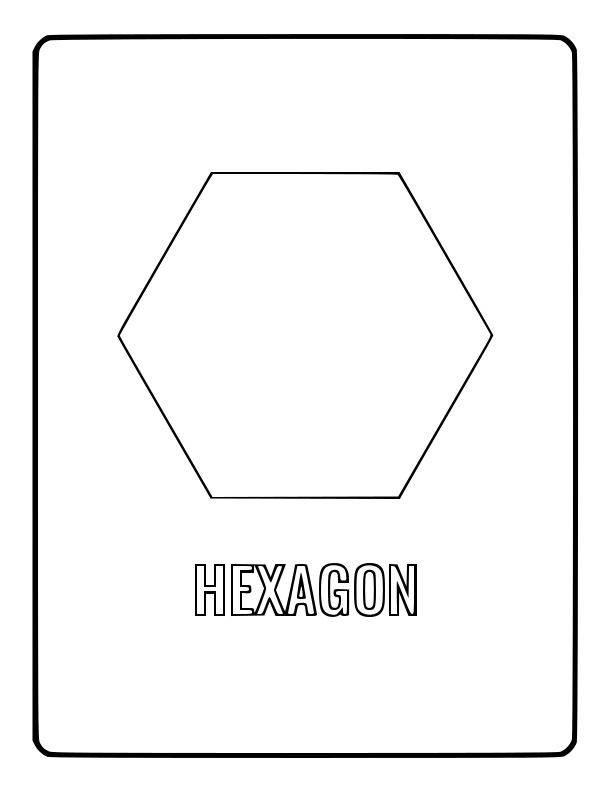







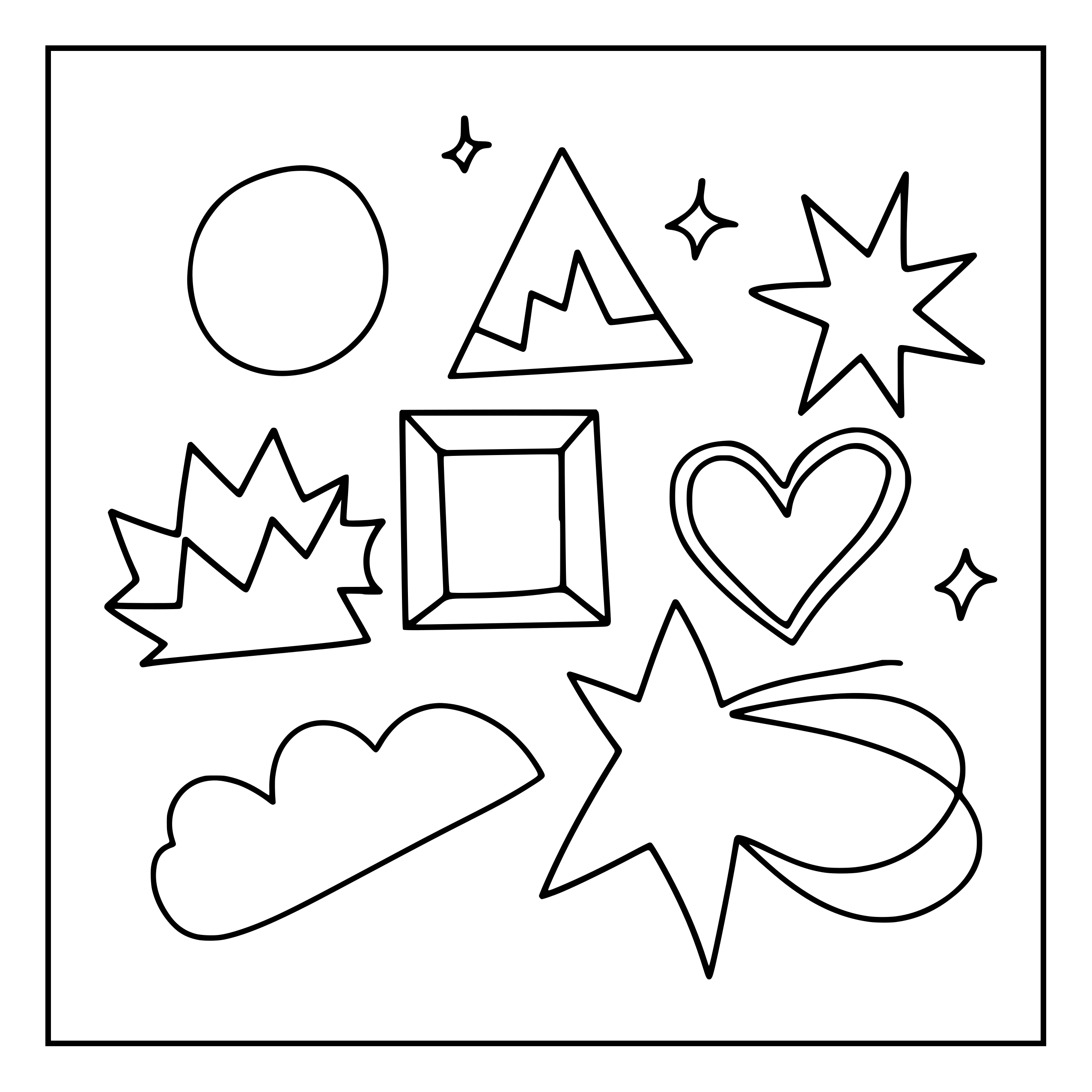
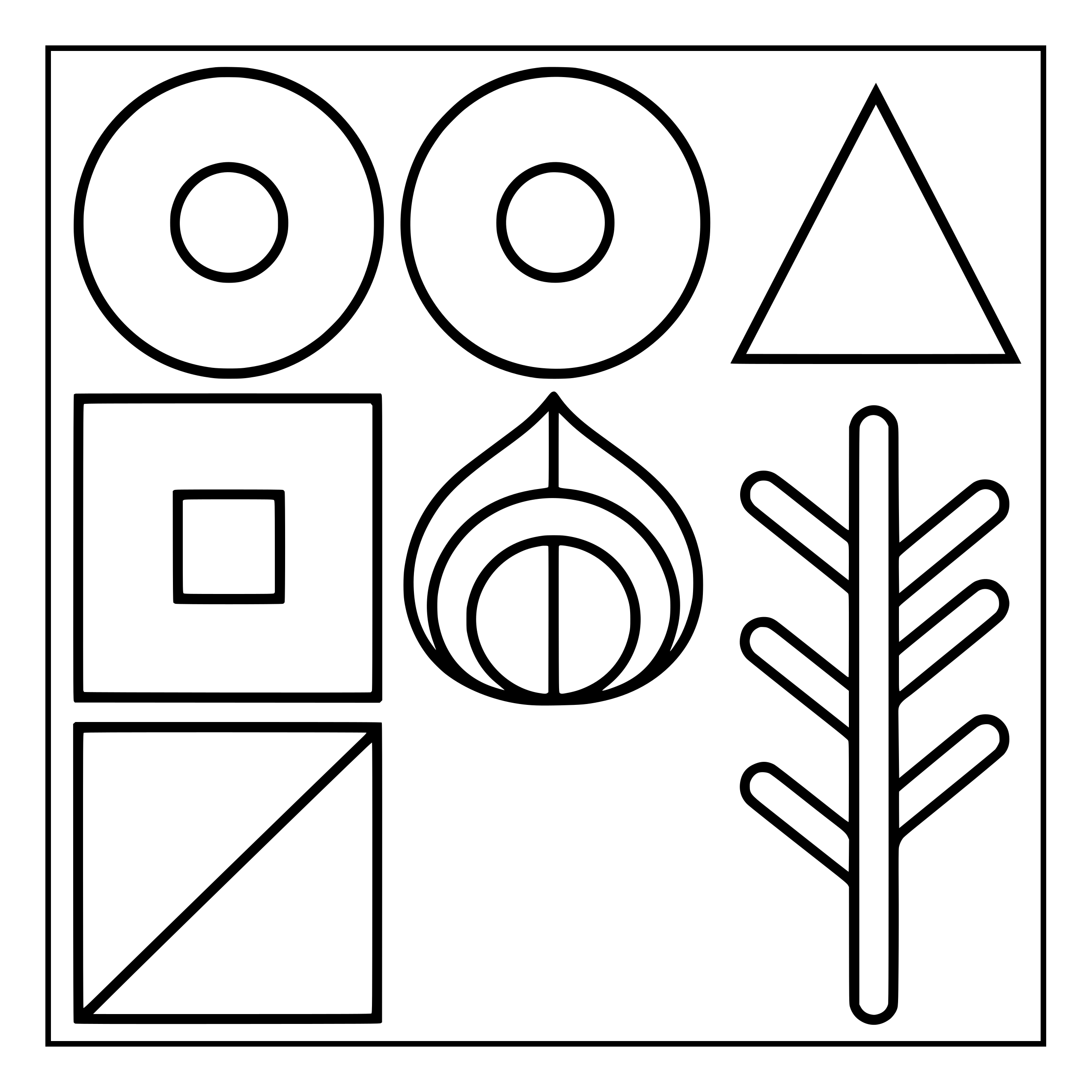

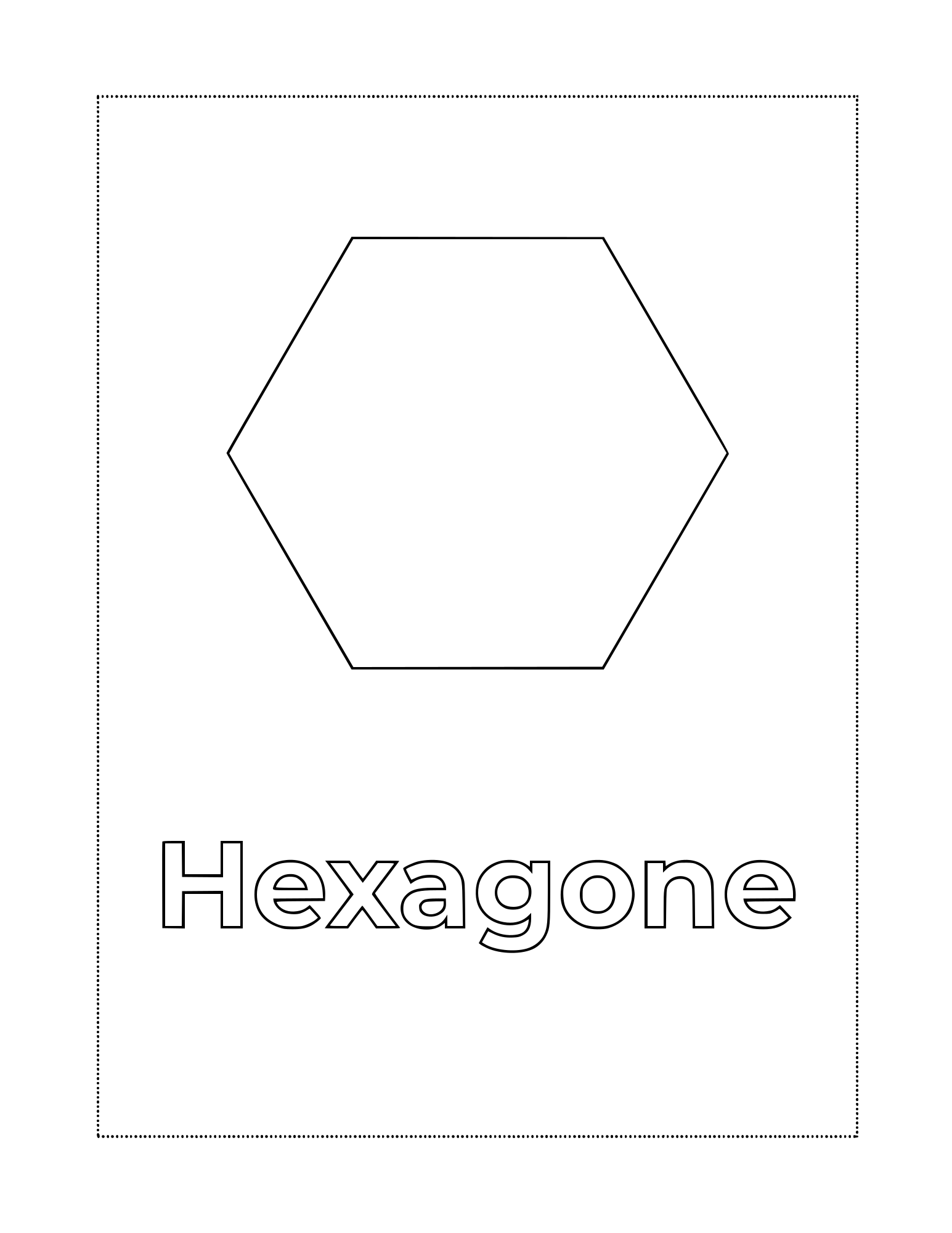


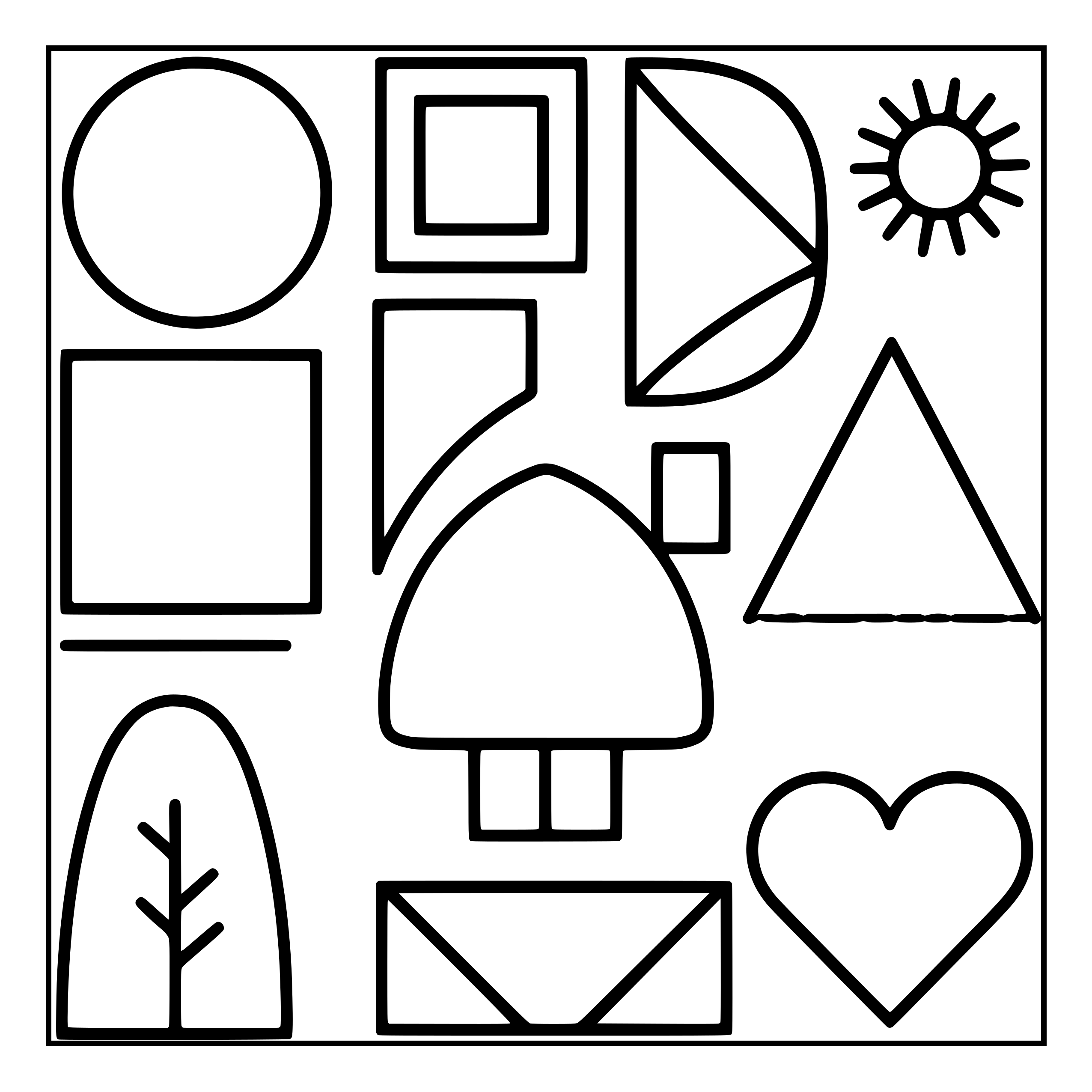
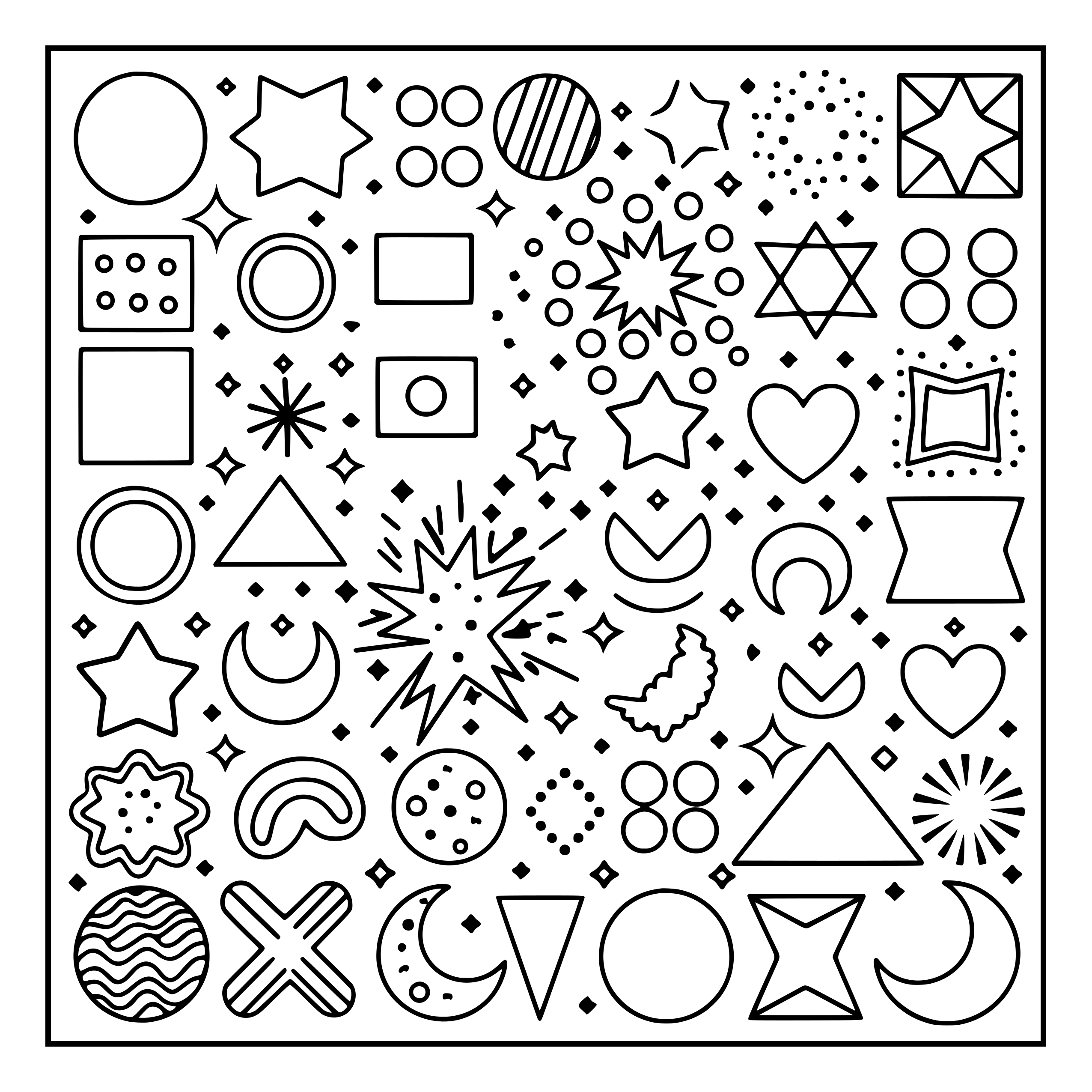

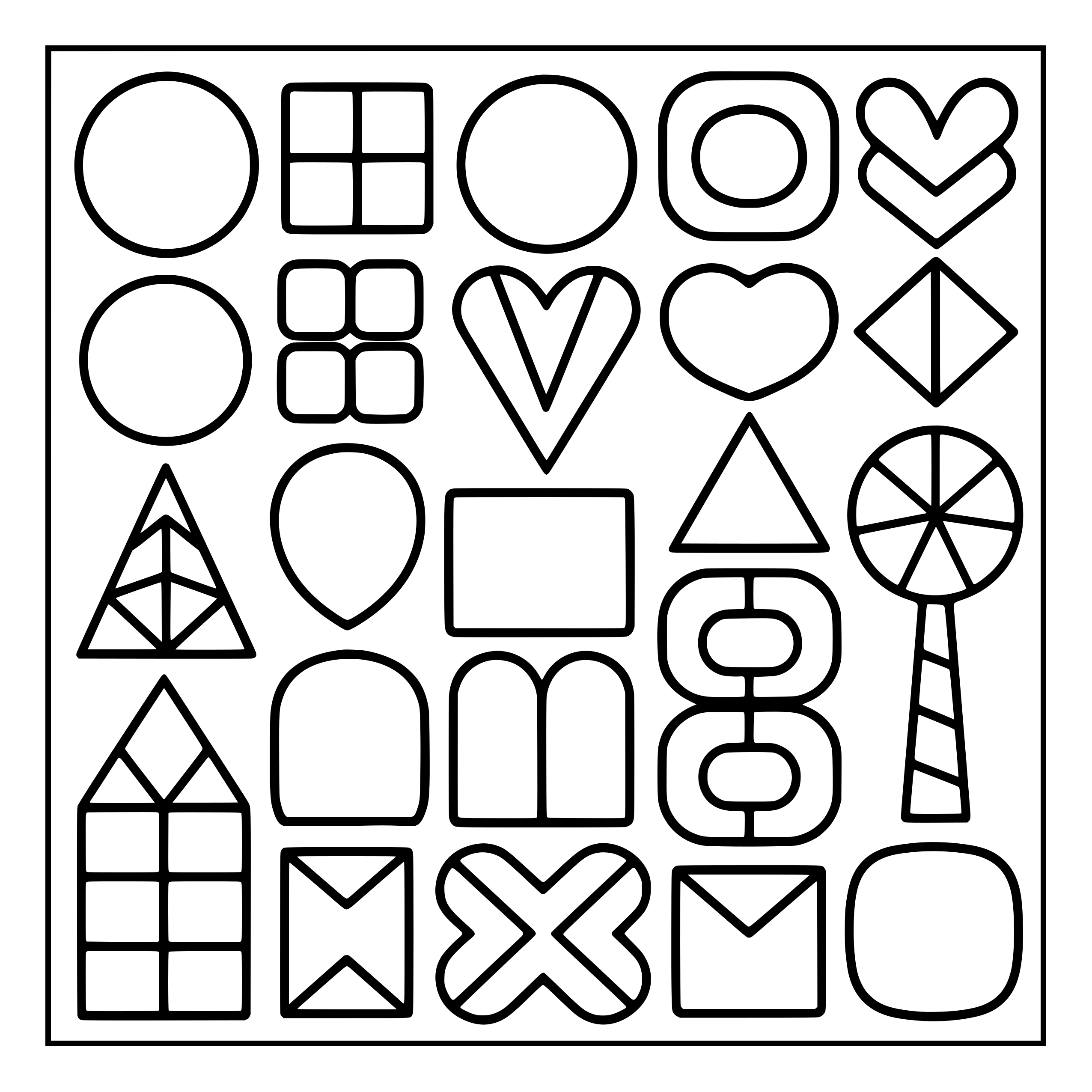

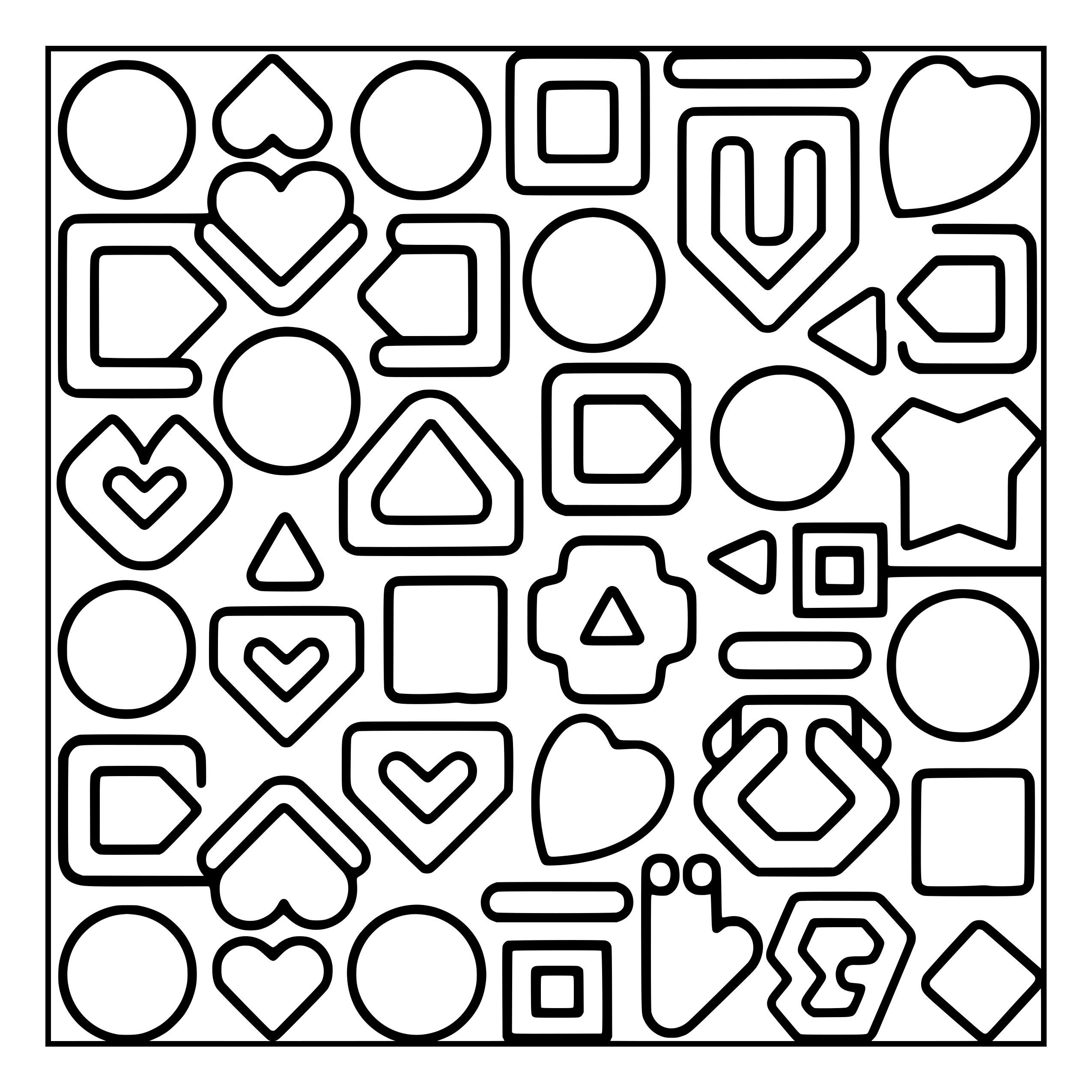





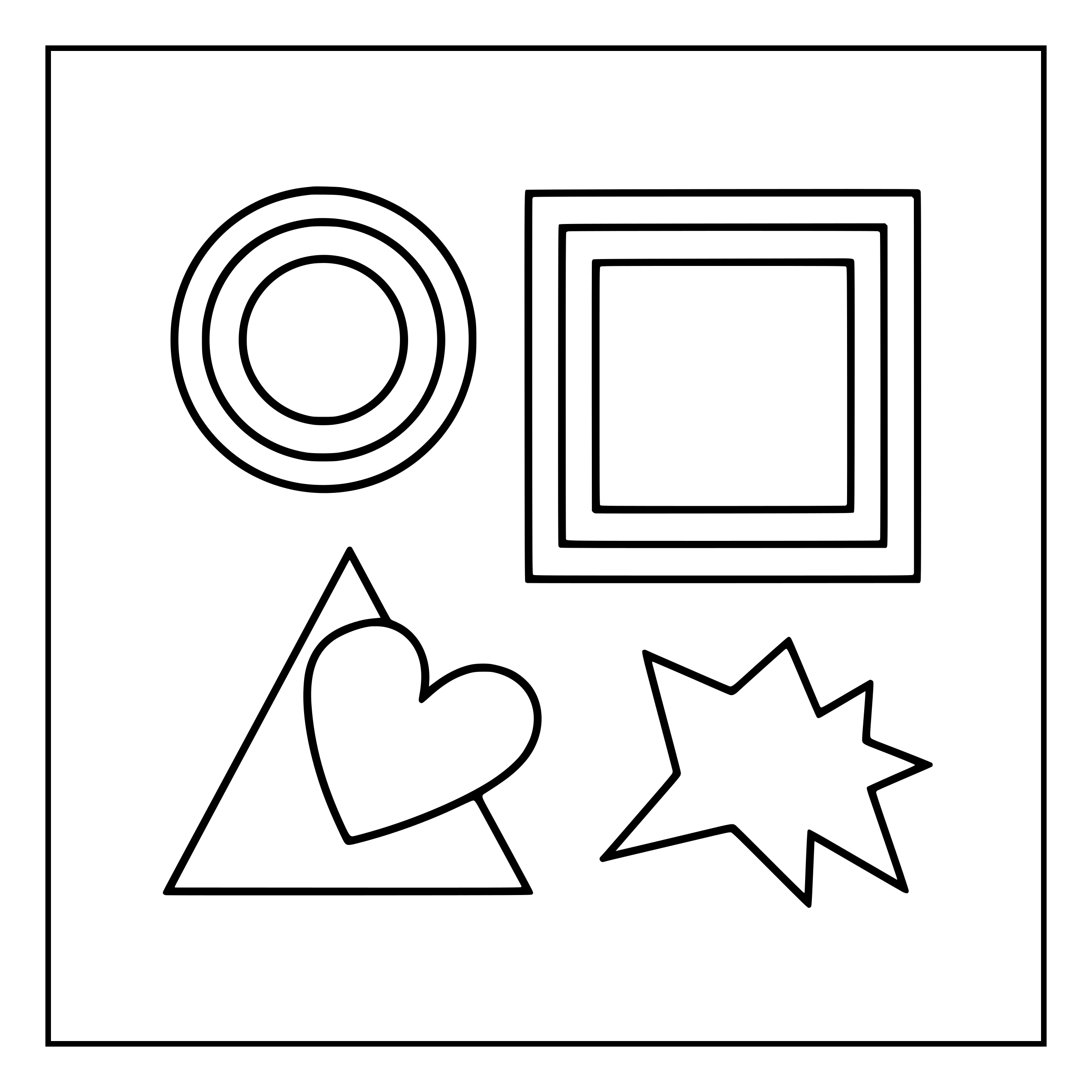
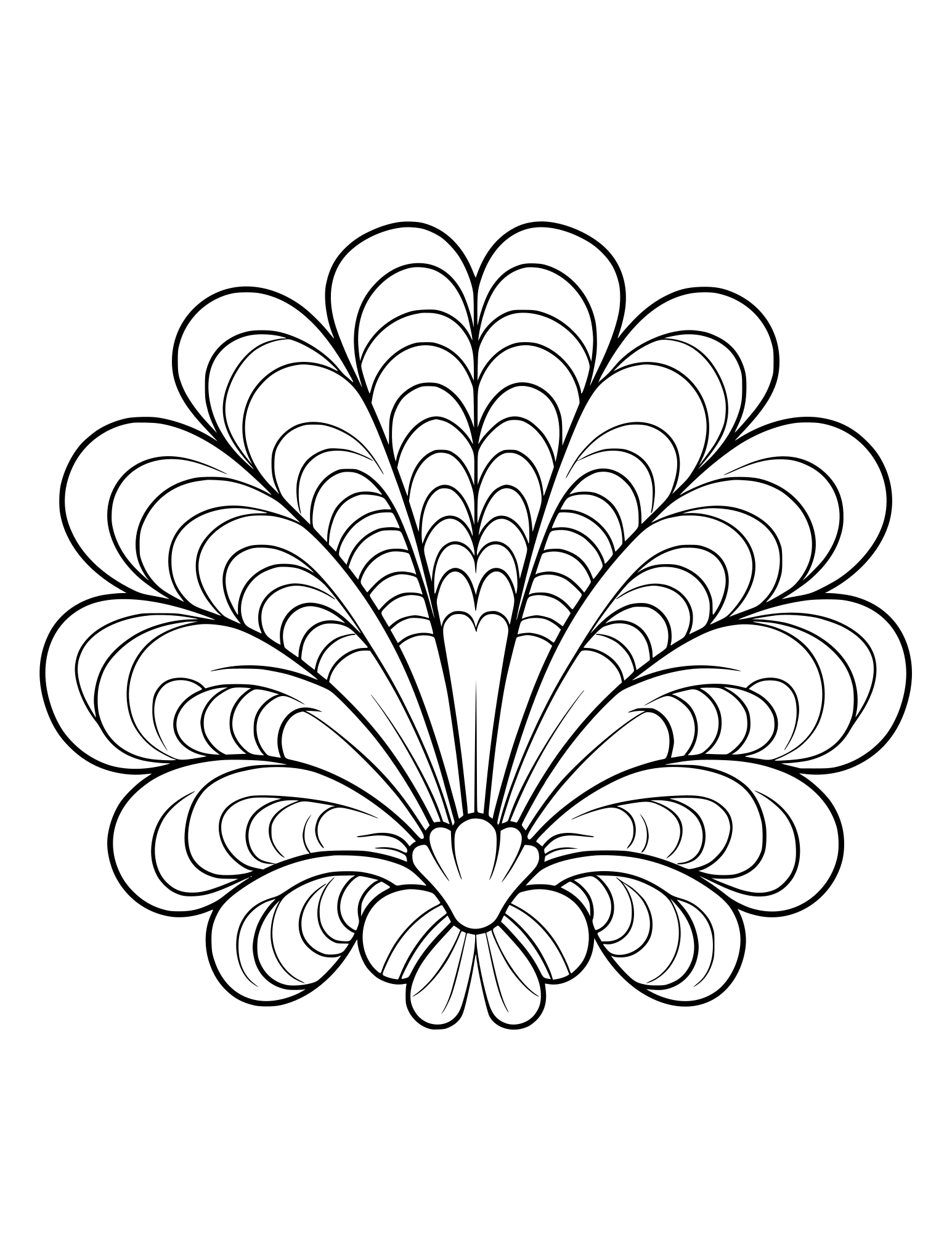
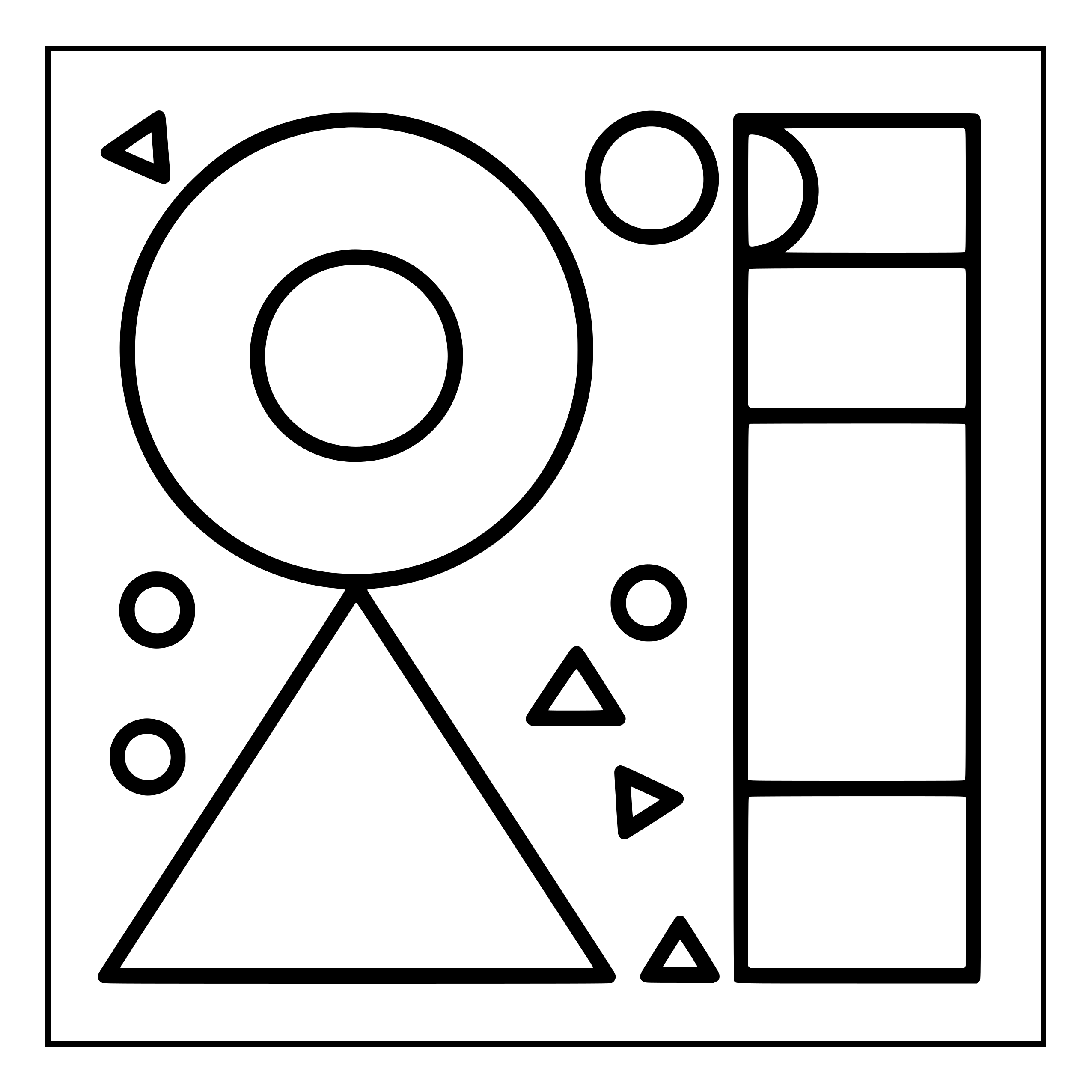
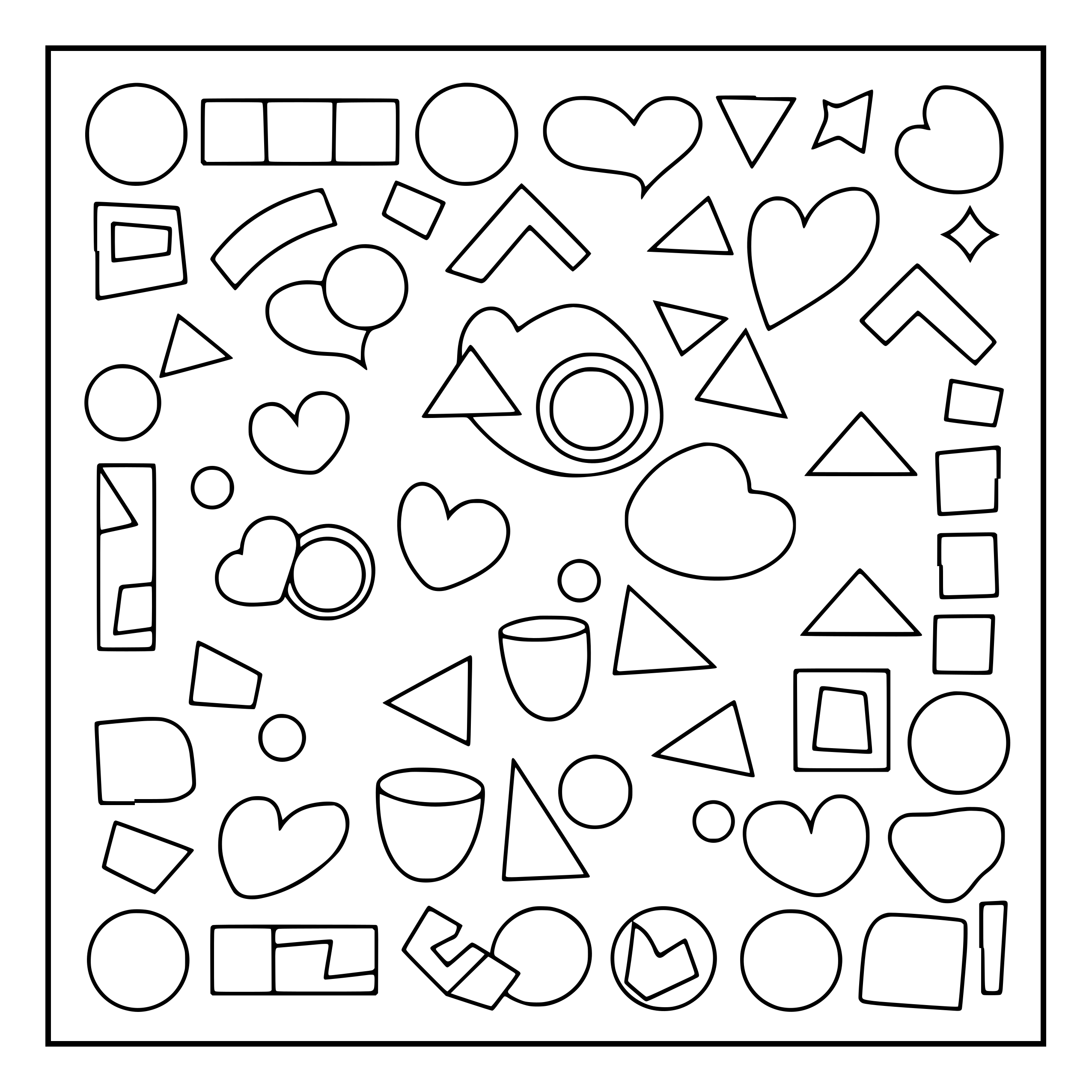








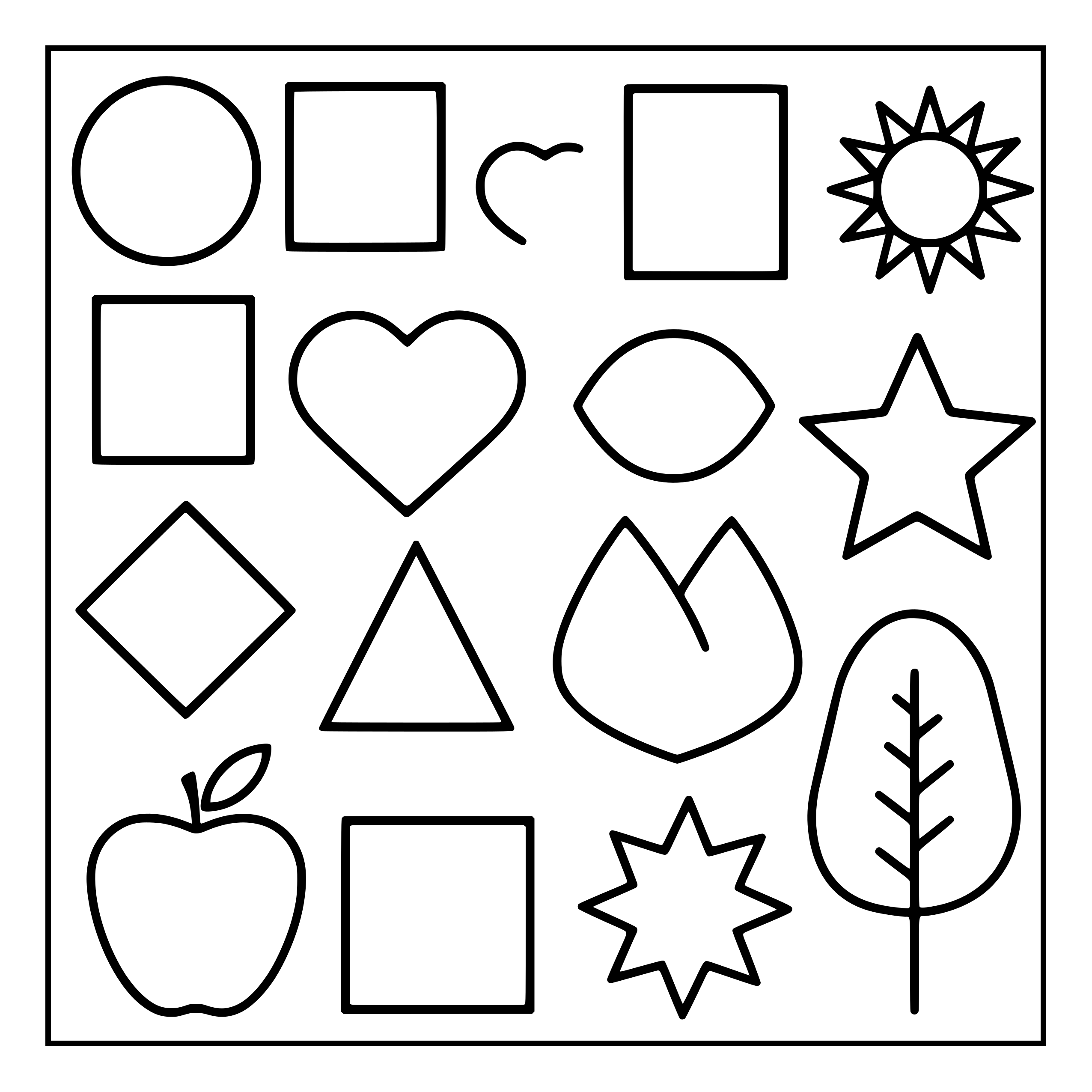


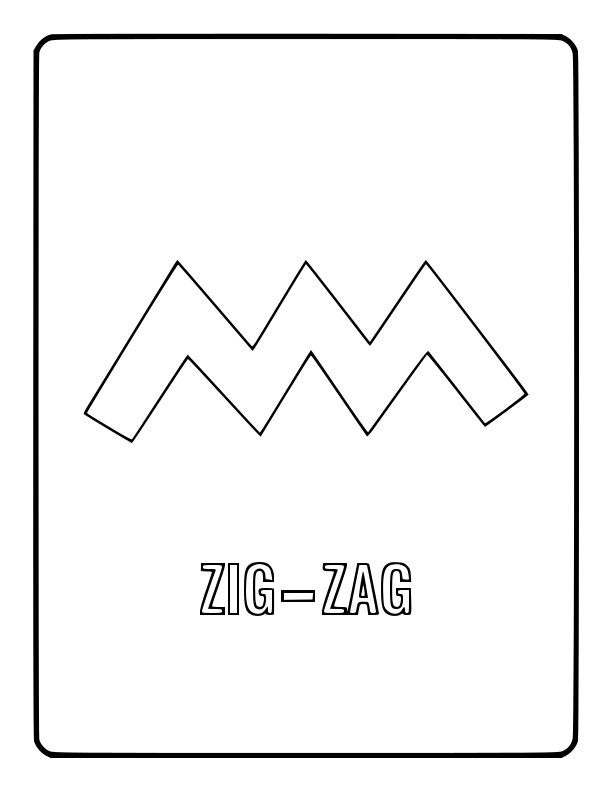
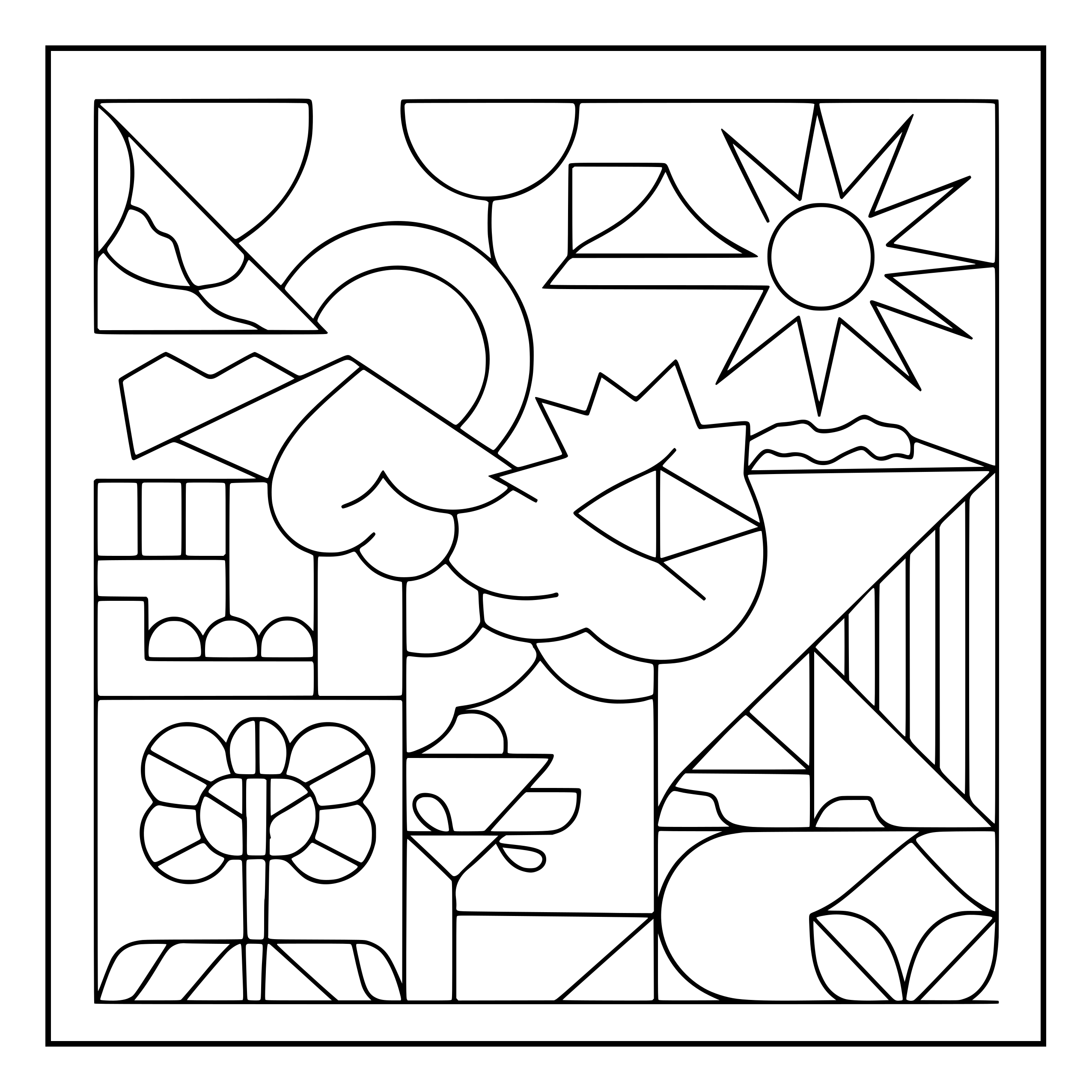
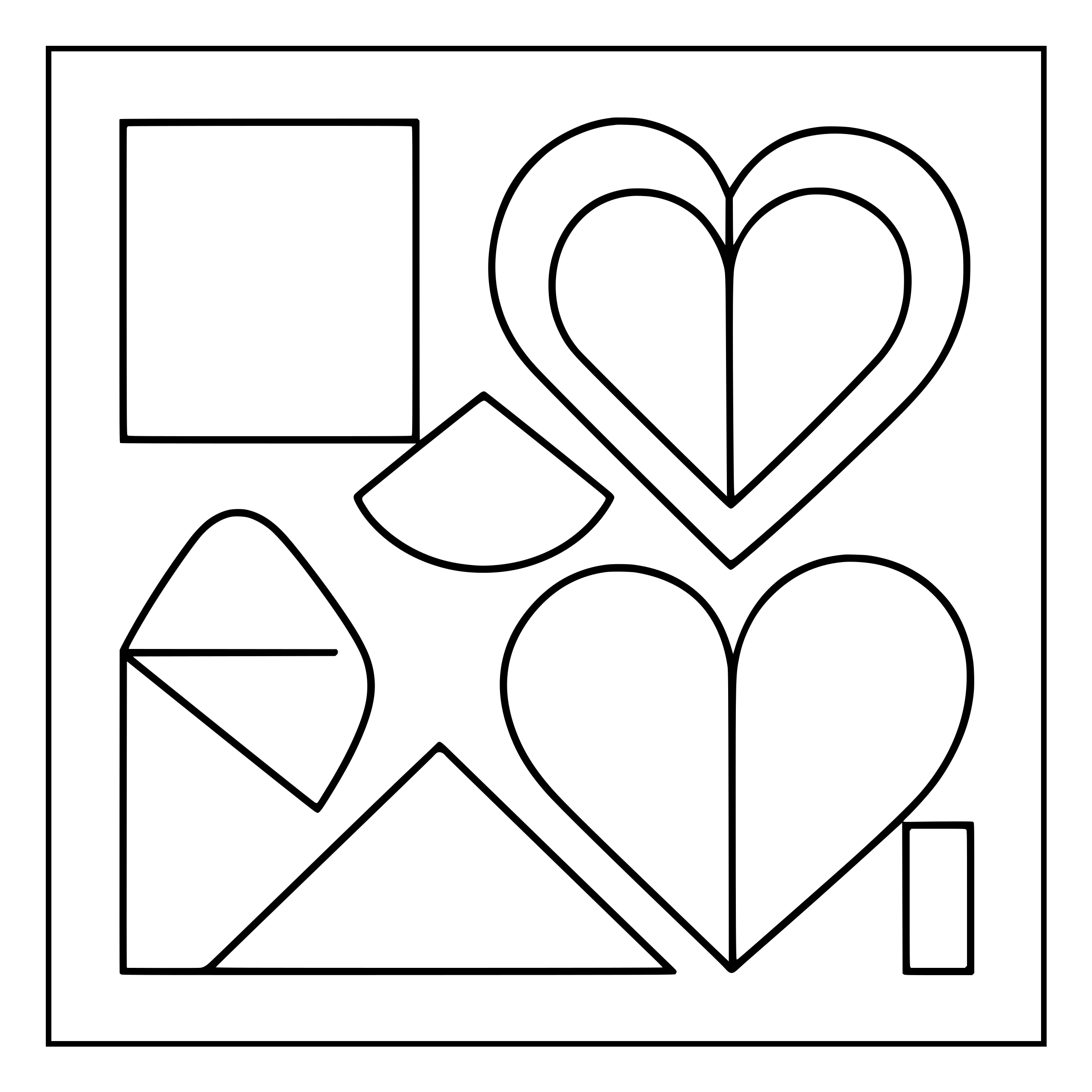






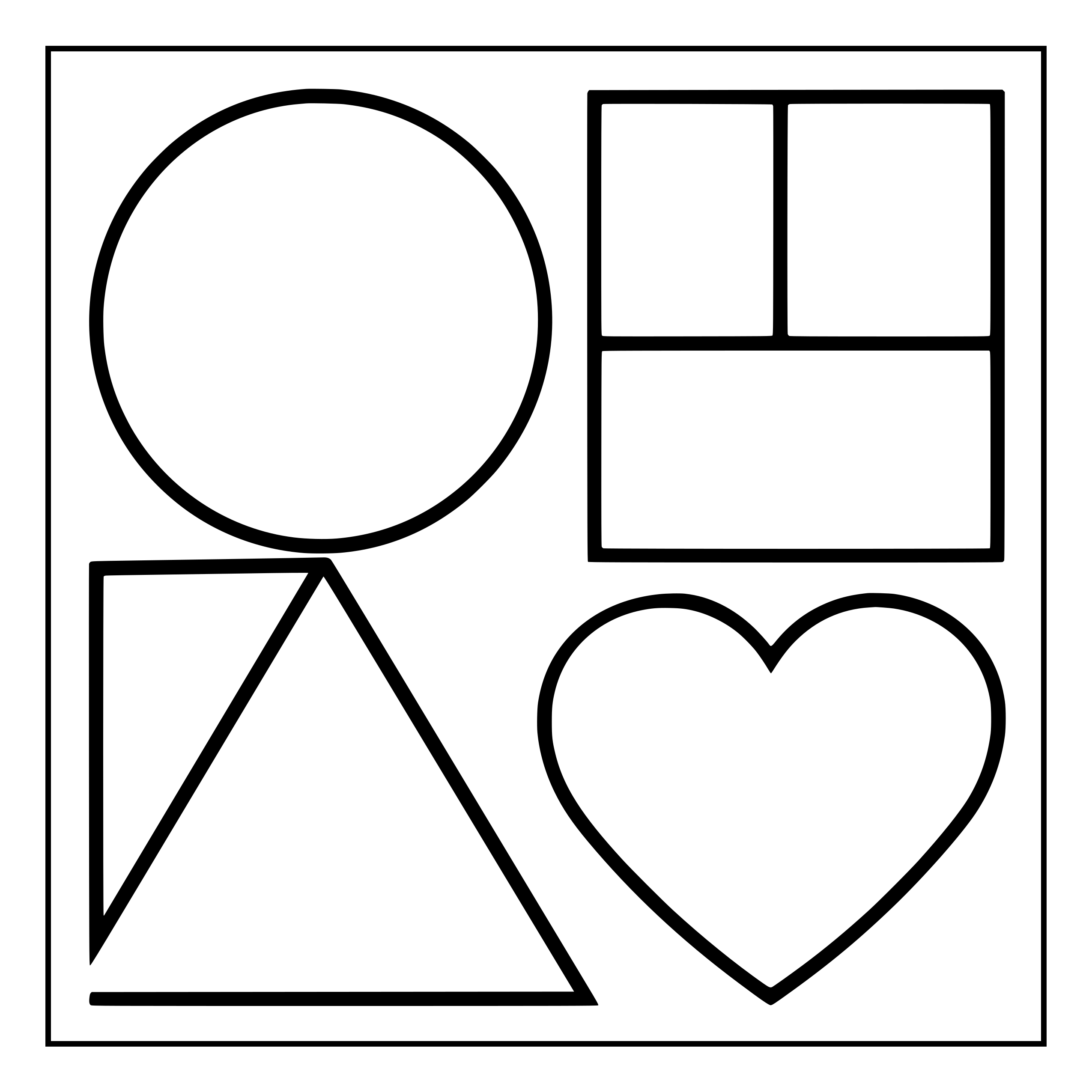
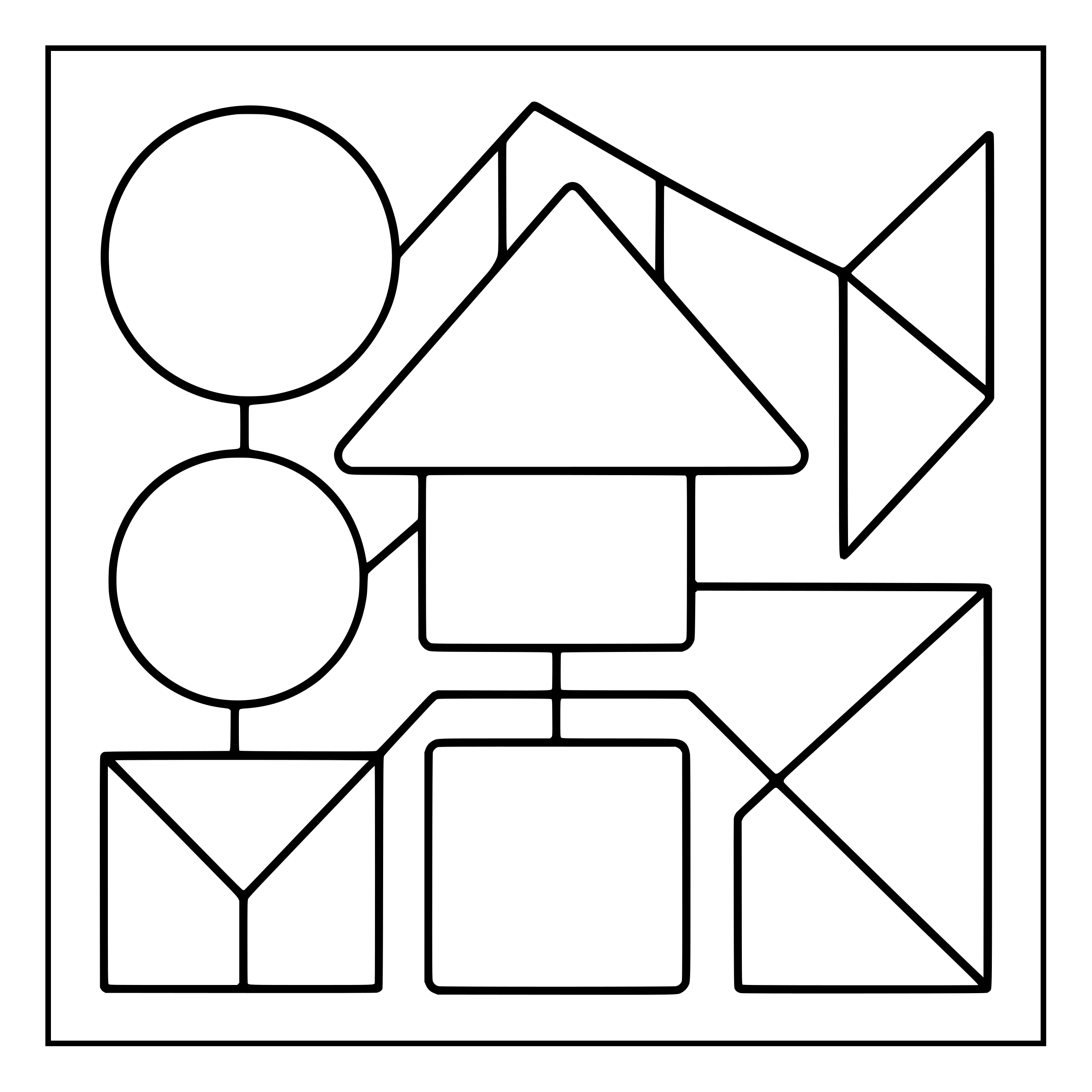
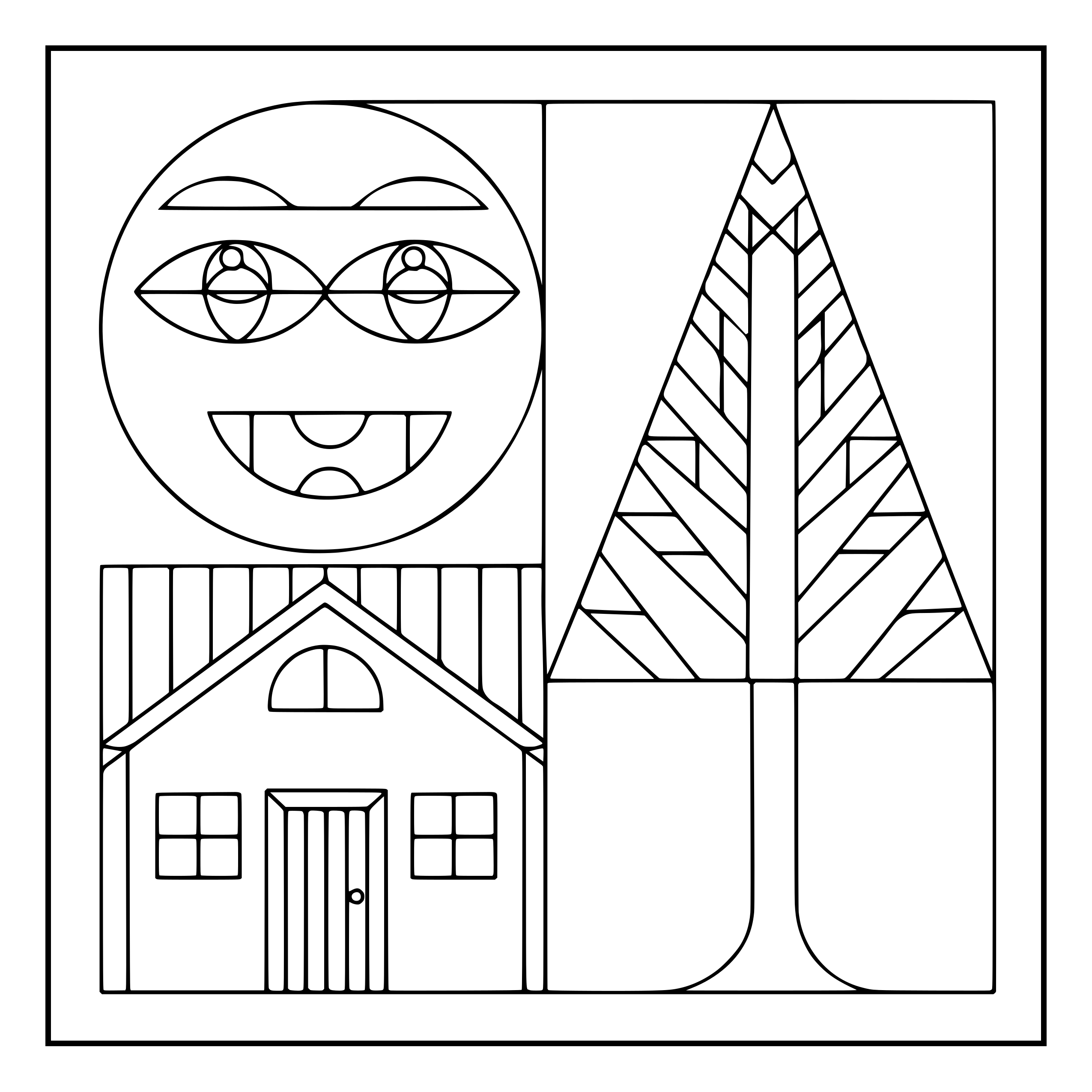











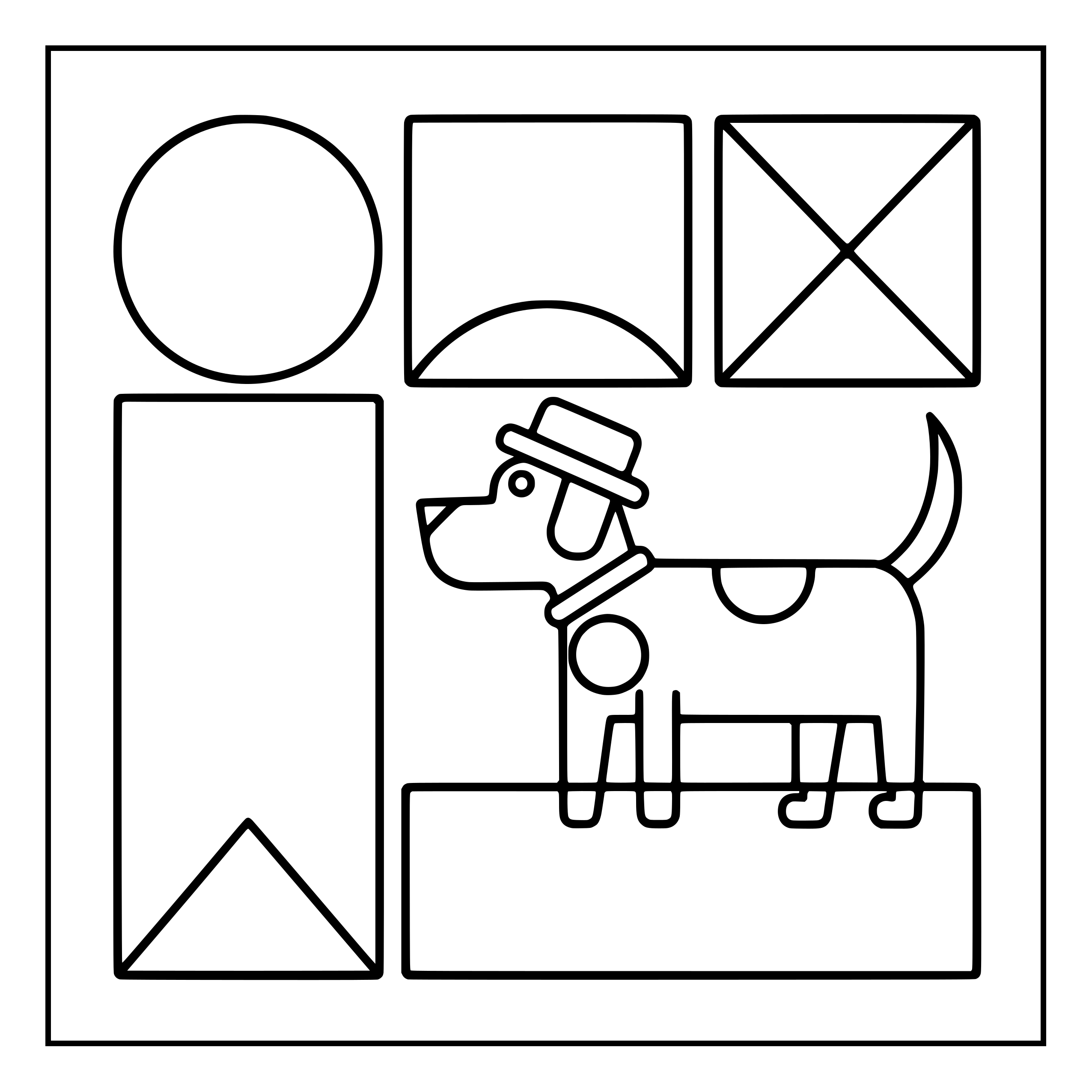

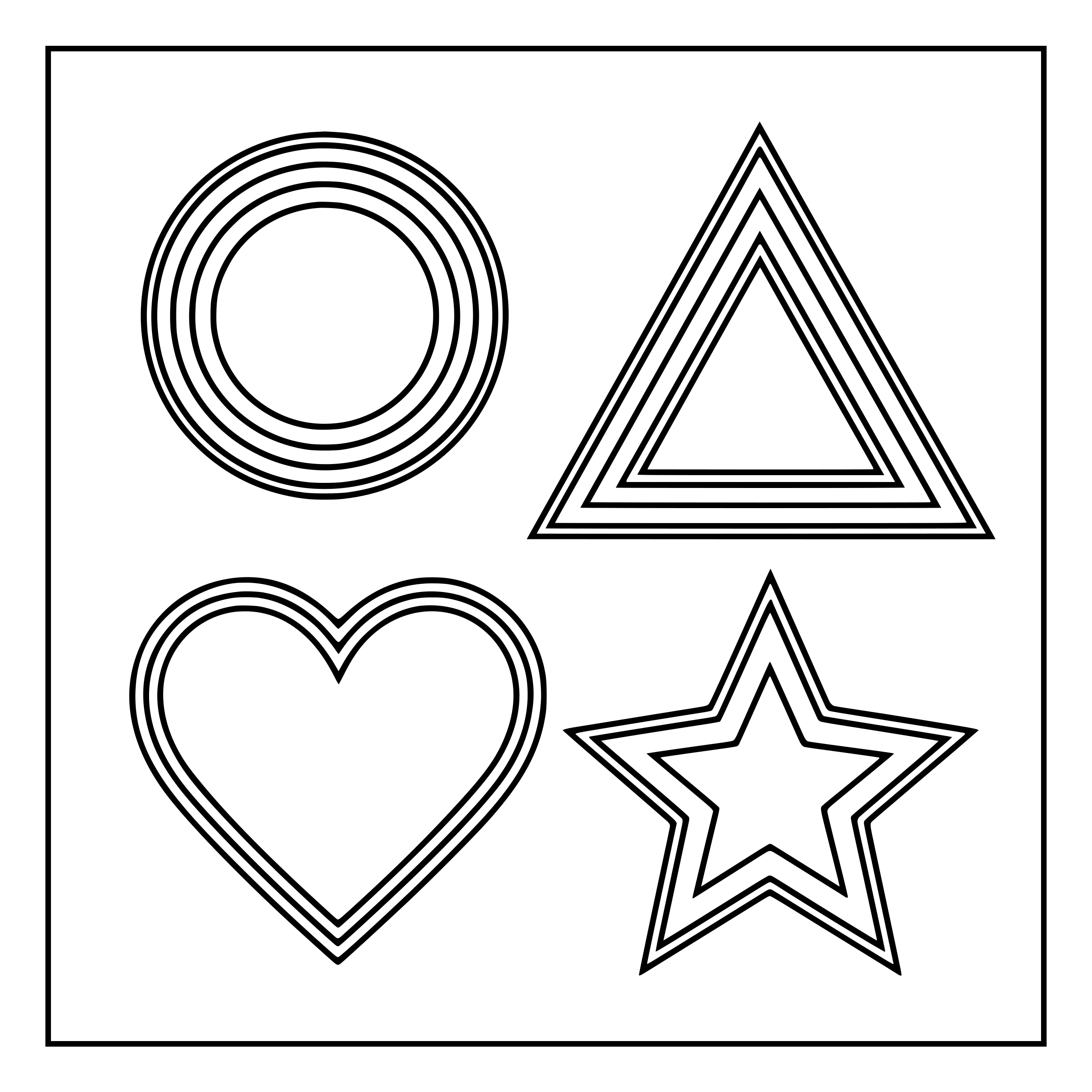








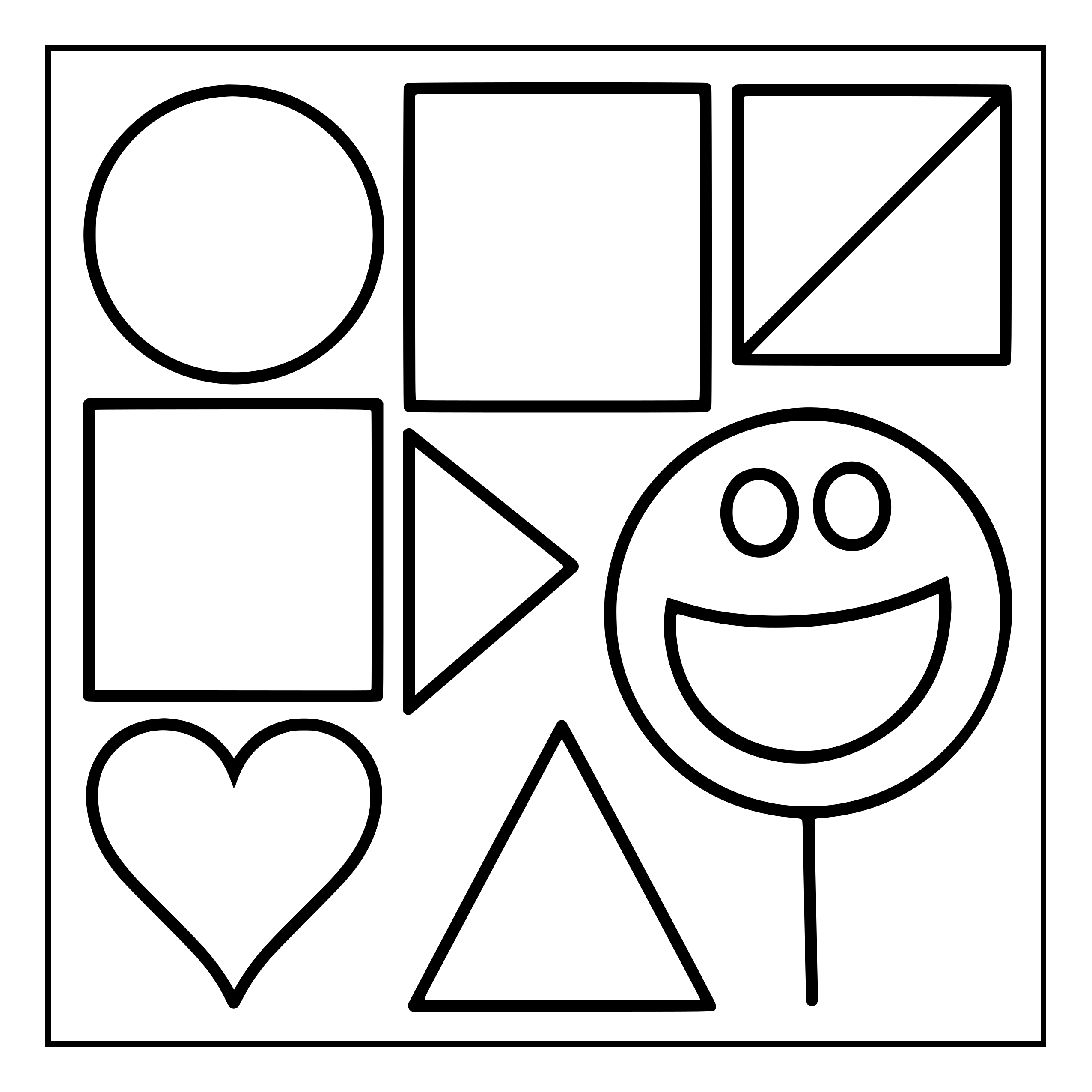


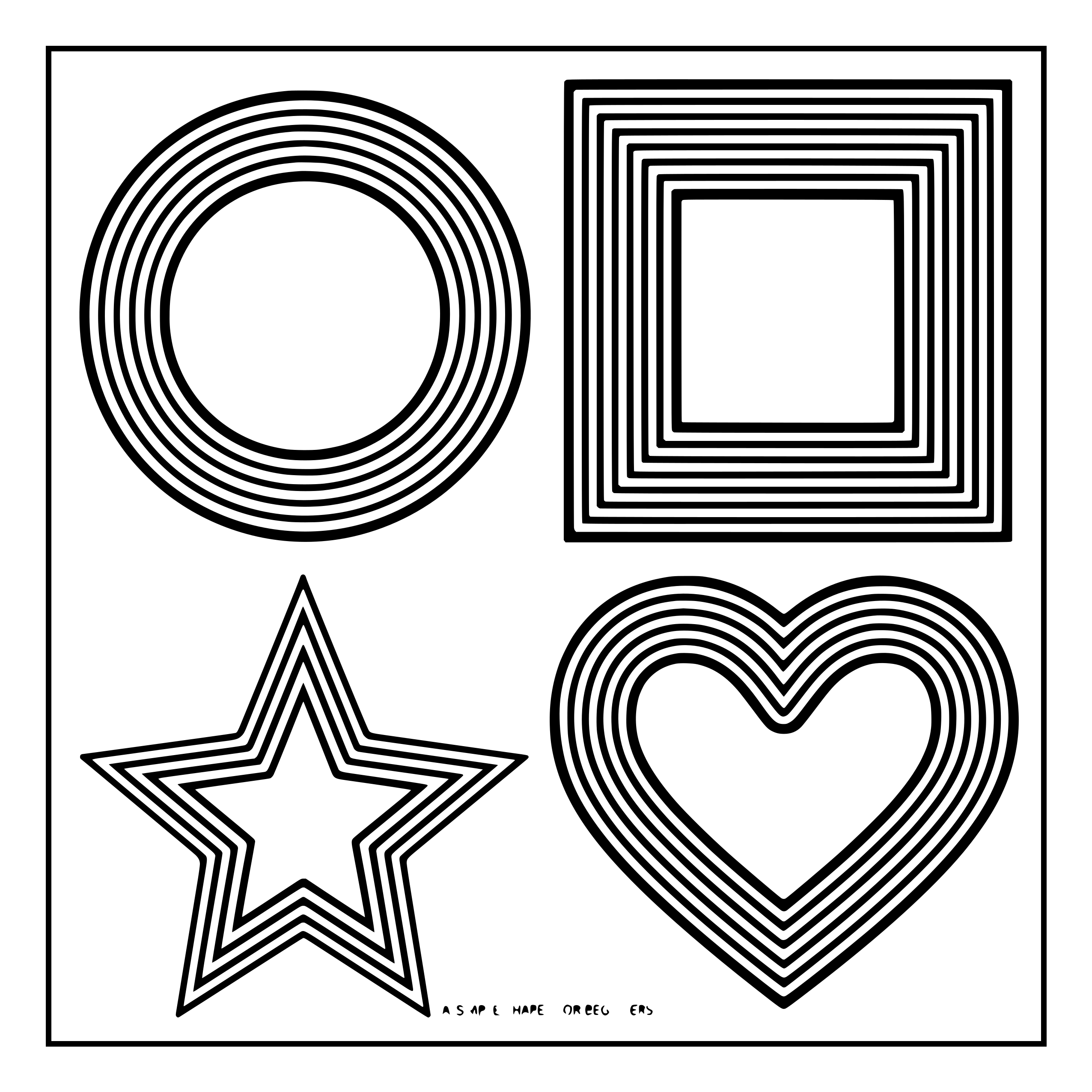
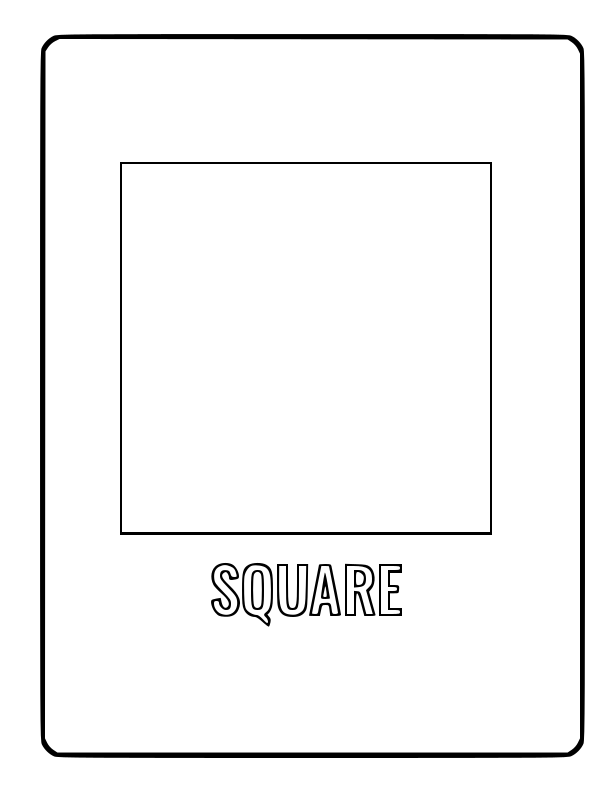


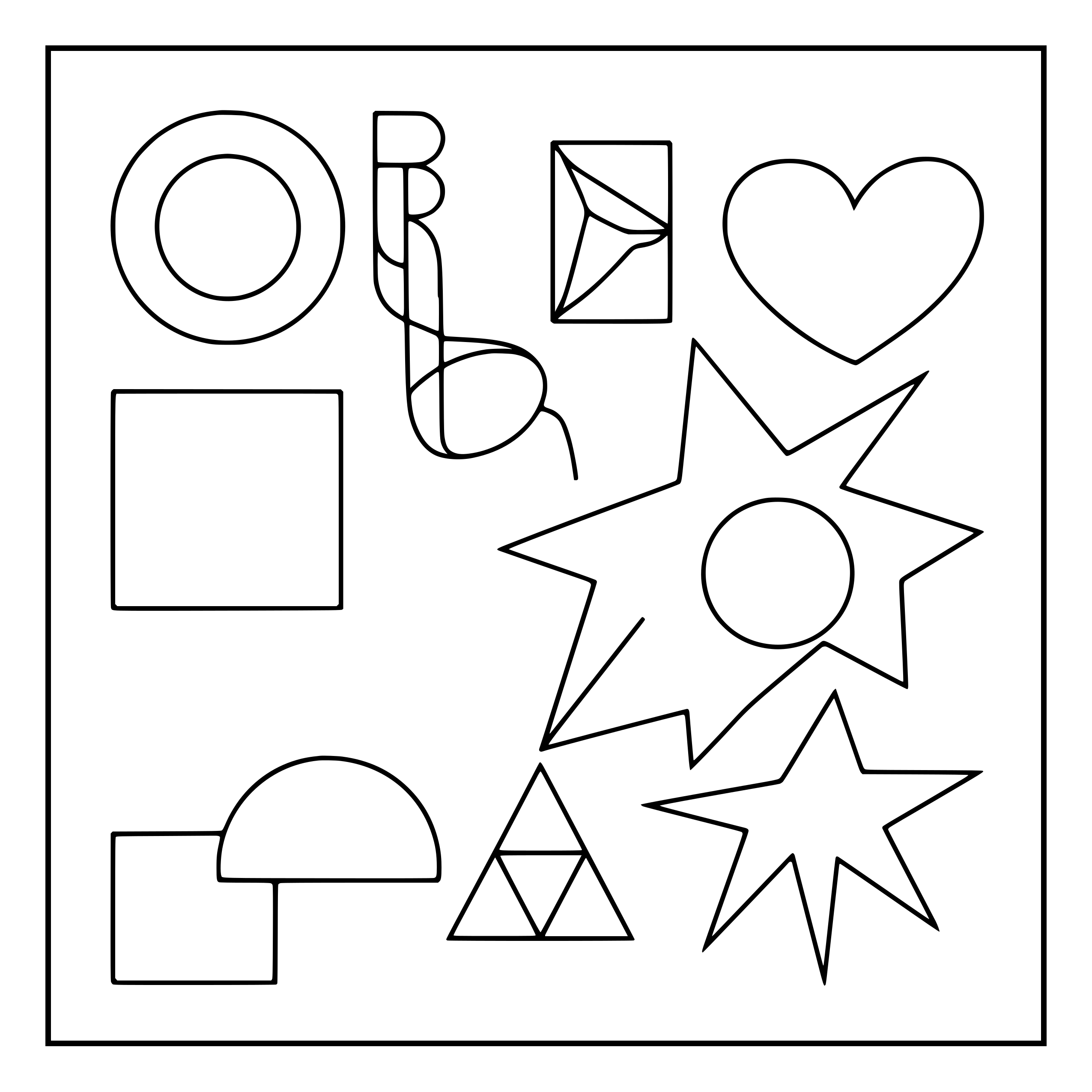


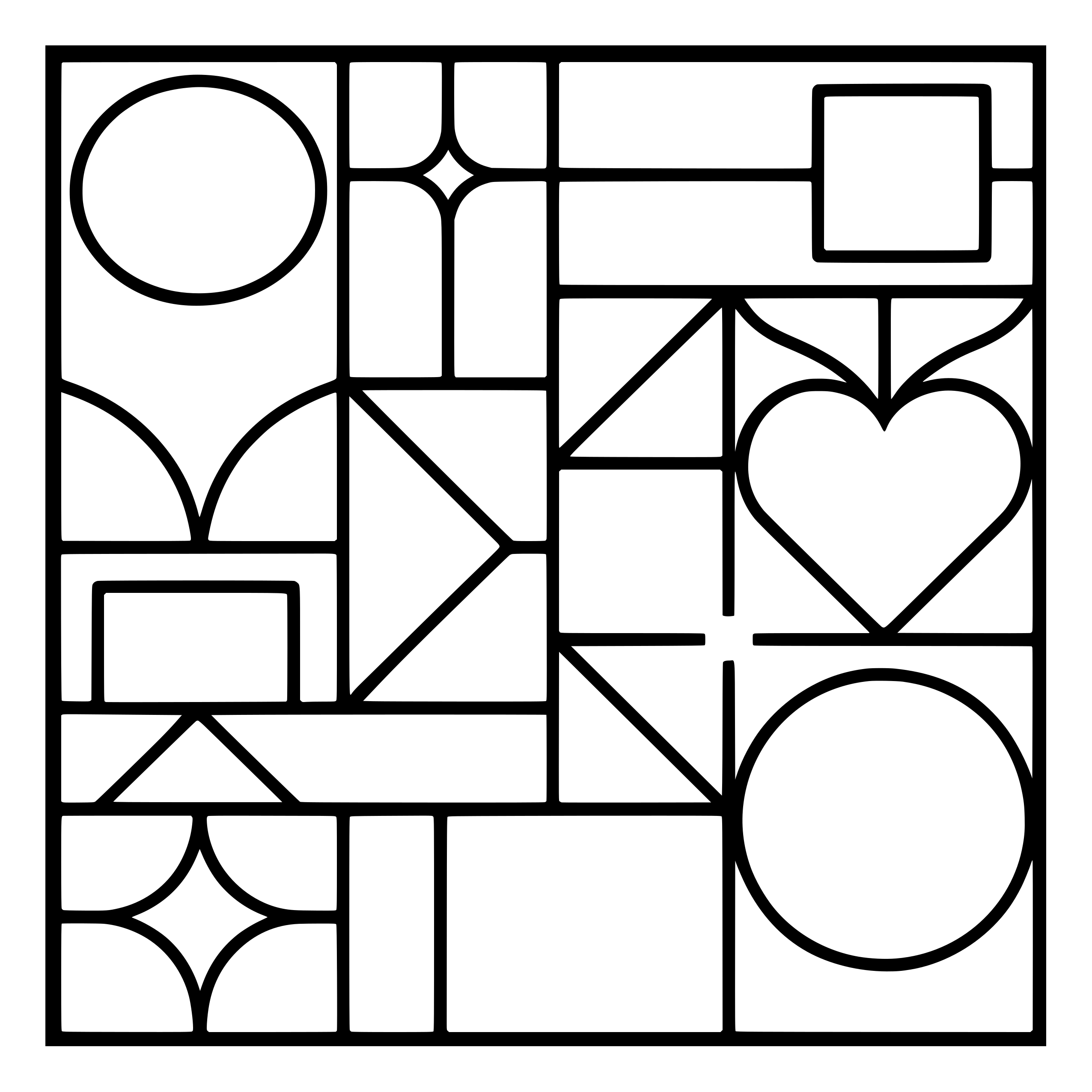
















About Shapes Coloring Coloring Pages
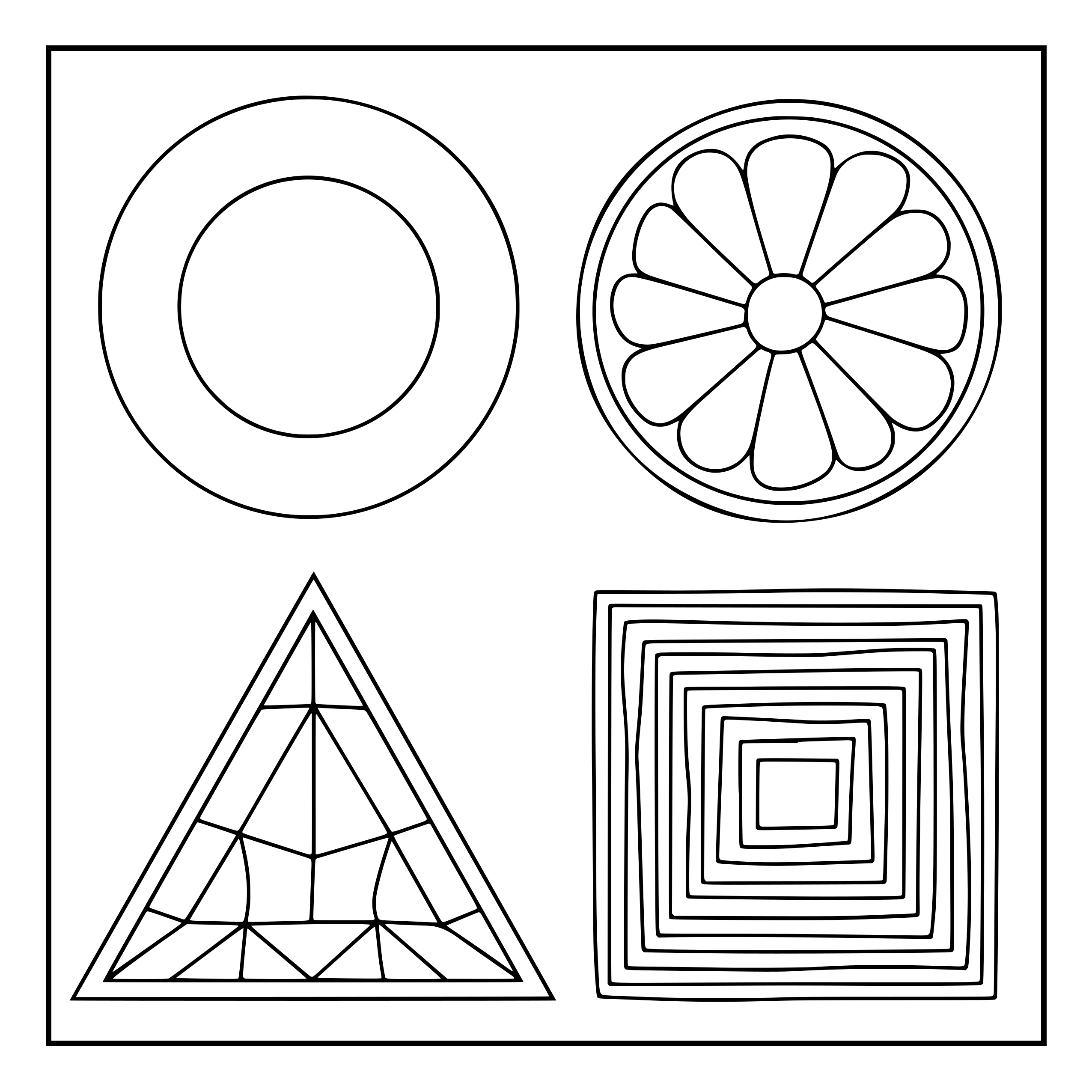
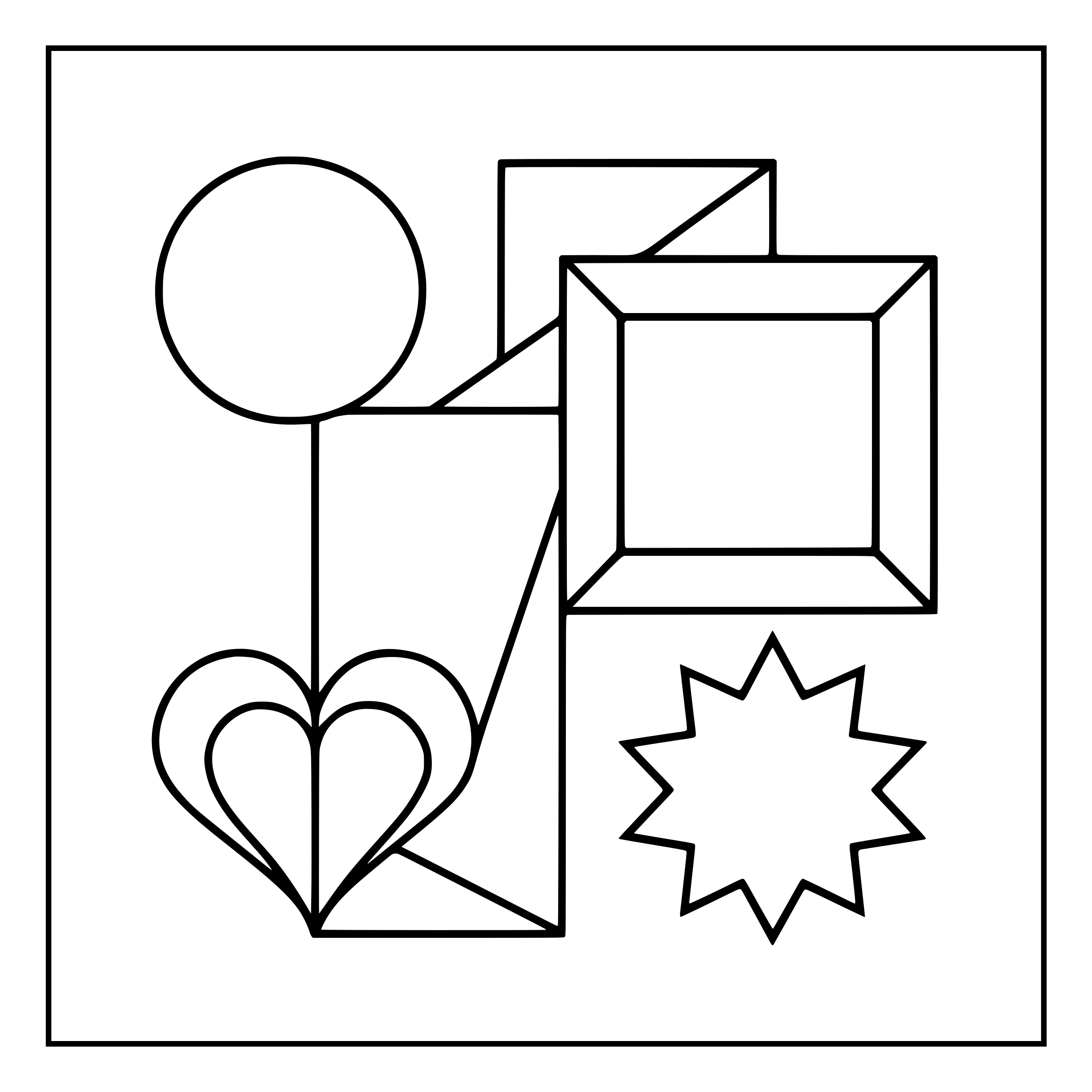
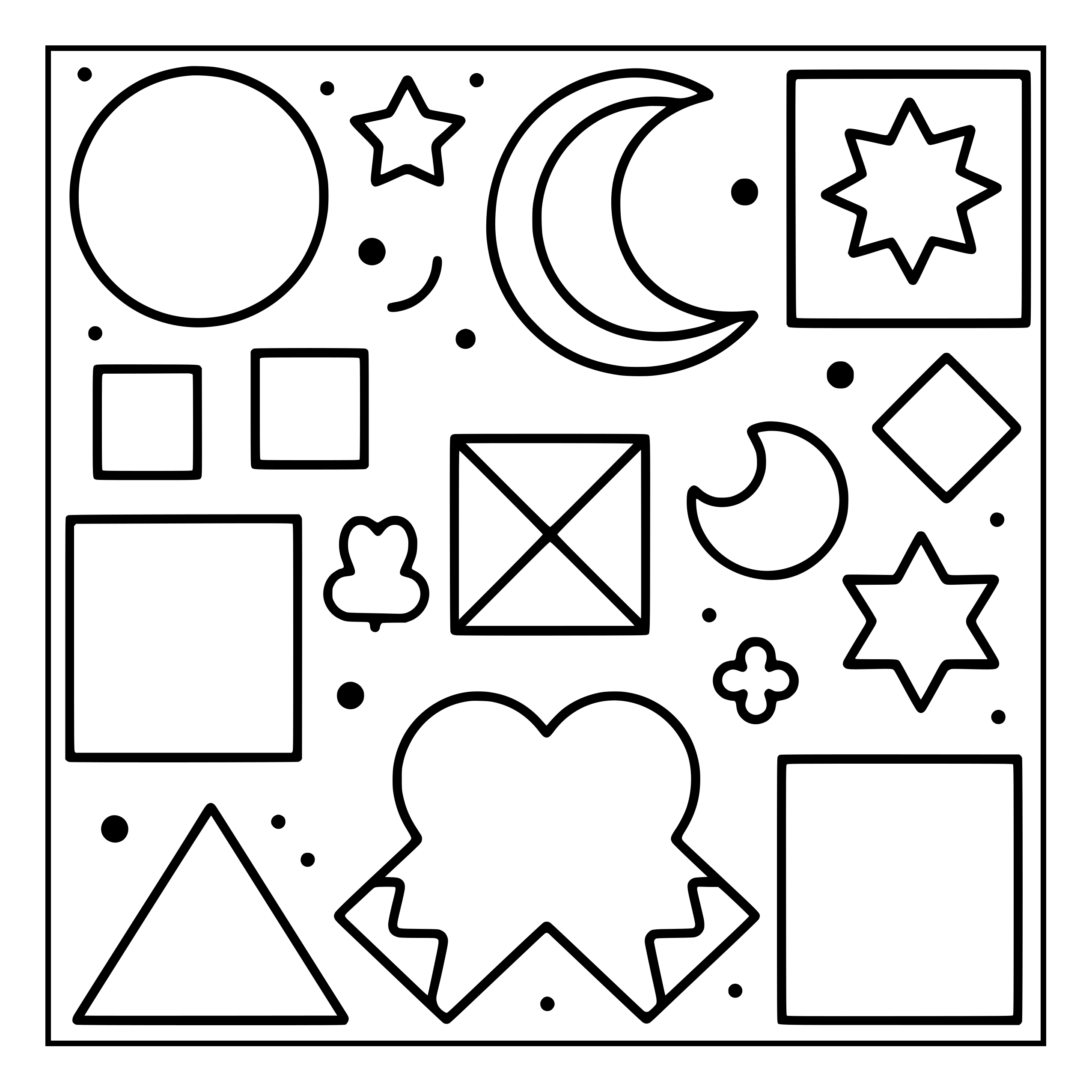
With 353 free shapes coloring pages across six themed collections — classic basic shapes for toddlers, beginner-friendly packs, very simple designs for ages 2–5, geometric forms for school, shapes with decorative patterns, and activity worksheets — this is a complete shapes coloring library for every age and learning stage. Every design is available as a print-ready PDF. No account, no paywall, no watermark. Just download and color.
A Short History of Shapes — How Humans Learned to See Geometry
Human beings have recognized and drawn geometric shapes for longer than we can reliably date. The very earliest known art — ochre engravings on stone from the Blombos Cave in South Africa, dated to 75,000 BCE — includes deliberate geometric markings: crossed hatching, triangular forms, repeating lines. These are not pictures of animals or people. They are pure geometry, created by minds that already grasped the power of regular form.
The ancient Egyptians were among the first to study geometry systematically. Building the pyramids required an extraordinary practical mastery of triangles, squares and proportional ratios. The word "geometry" itself comes from the Greek words for "earth" and "measure" — it was literally the science of land measurement, developed in ancient Egypt and Mesopotamia to re-establish field boundaries after the annual Nile floods washed away every landmark. The Greek philosopher Euclid formalized all of this into his Elements, written around 300 BCE — the most influential mathematics textbook in history, still taught in modified form in schools today. Euclid's five postulates and 465 propositions built the entire logical structure of two-dimensional geometry from five simple assumptions about points, lines and circles.
In nature, geometric shapes appear everywhere with an insistence that is almost uncanny. Snowflakes are perfect hexagons. Honeycomb is a tessellating array of hexagonal cells — a structure that mathematicians proved in 1999 is the most efficient possible way to divide a flat surface into equal areas with the minimum total perimeter. The spiral in a nautilus shell follows the golden ratio. Crystal structures, from salt cubes to diamond octahedra, are determined by the geometry of atomic bonds. The universe, it appears, thinks in shapes.
For children, learning shapes is one of the first great acts of intellectual organization. Before they can read or write, children learn to sort the world by form: this is round, that is pointy, this is the same as that. Shape recognition is a foundational cognitive skill that underpins later mathematical thinking, reading (the letters A, B, C are themselves assemblies of lines and curves) and spatial reasoning. Coloring shapes — slowly filling in a bold circle outline, carefully staying inside the angular edges of a star — builds that shape knowledge through the hands as well as the eyes. Our free number coloring pages and alphabet coloring pages make natural companion collections for early learning.
The Six Shape Collections in This Library
Our 353 pages are organized into six themed sub-categories, each with a different focus, difficulty level and best-suited age group:
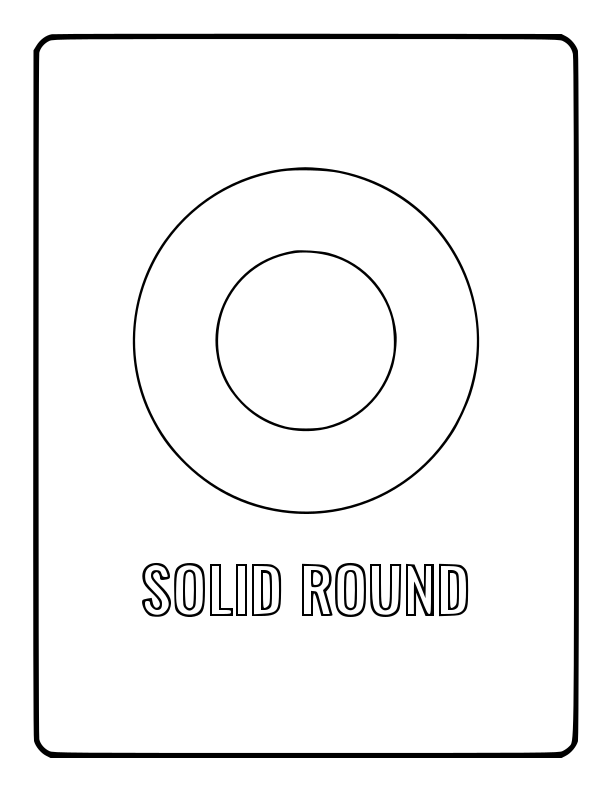
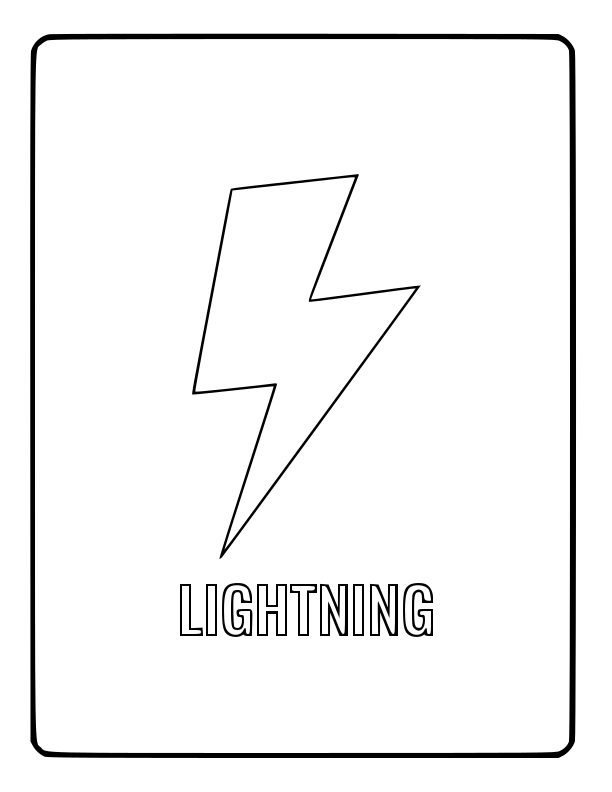
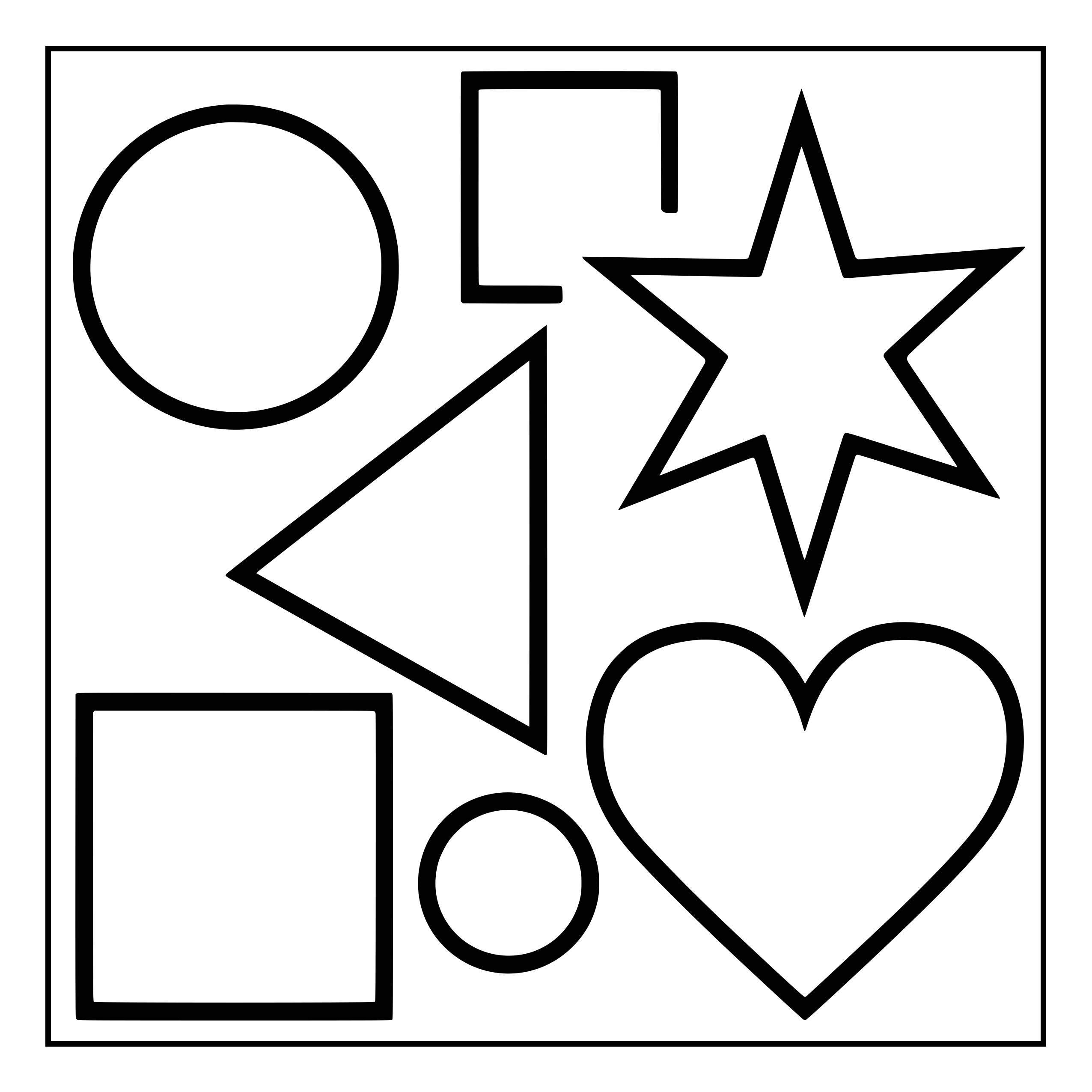
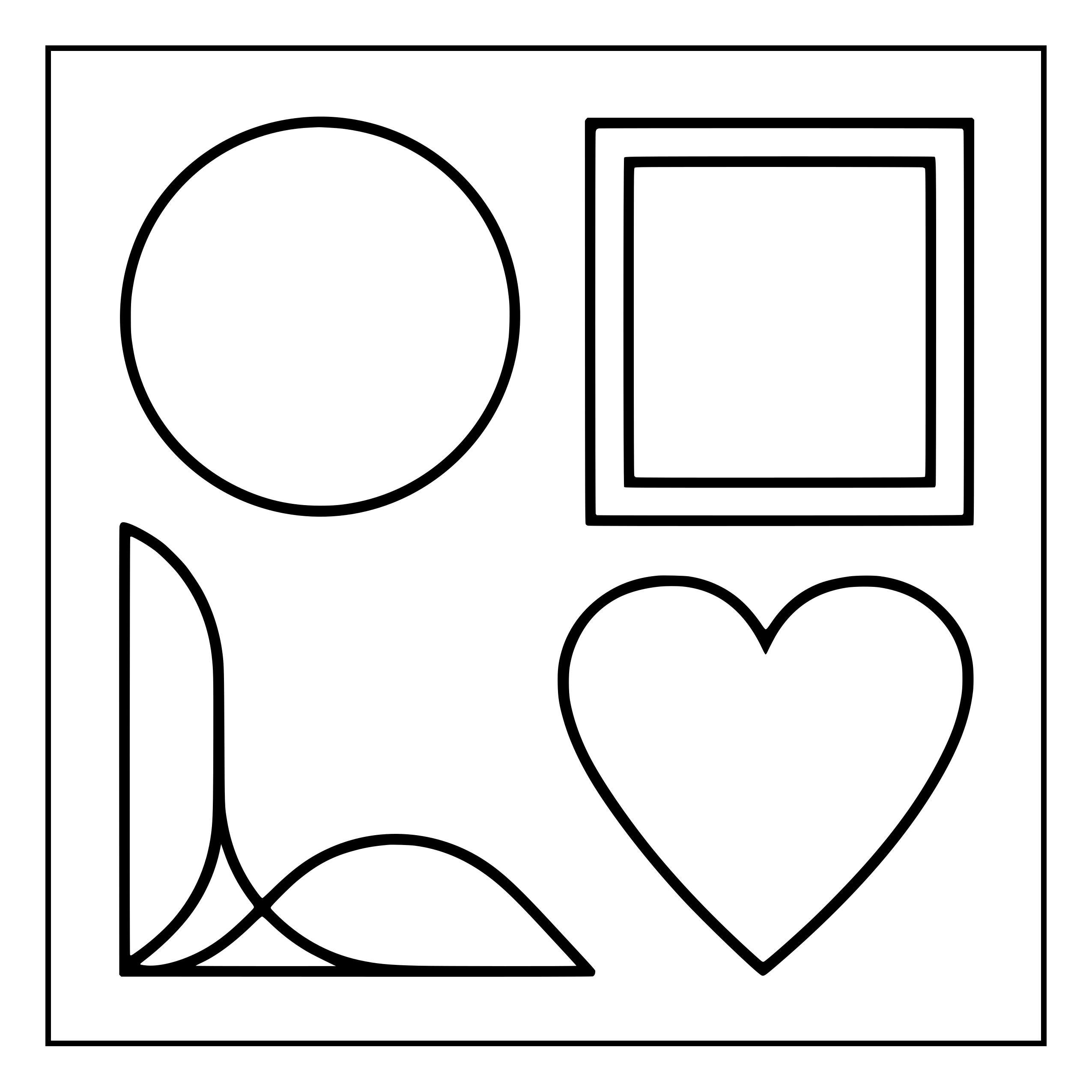
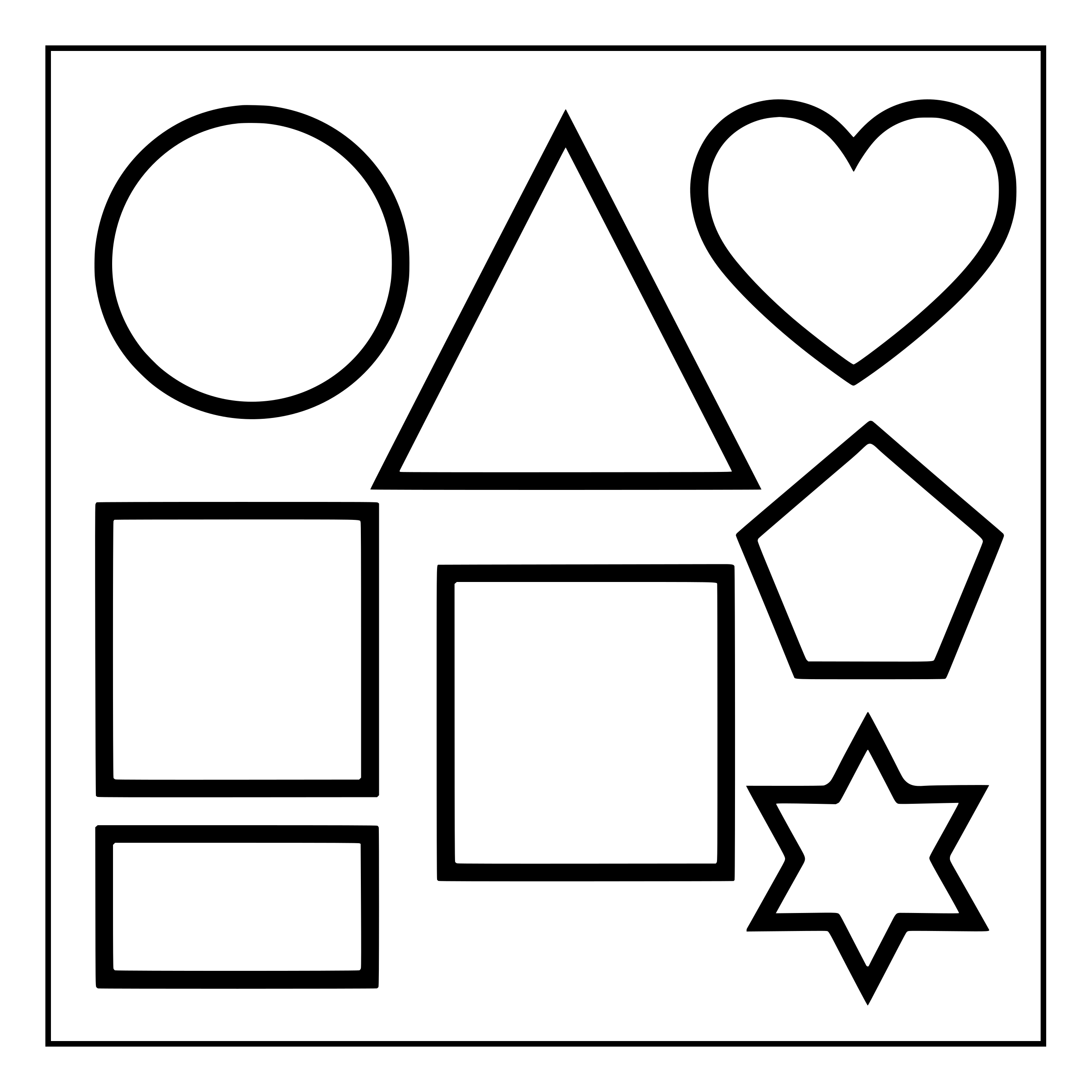
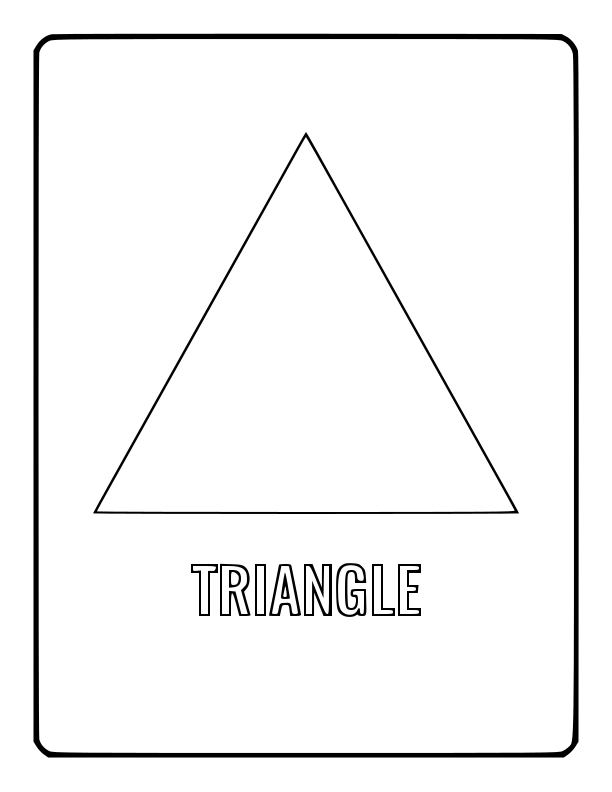
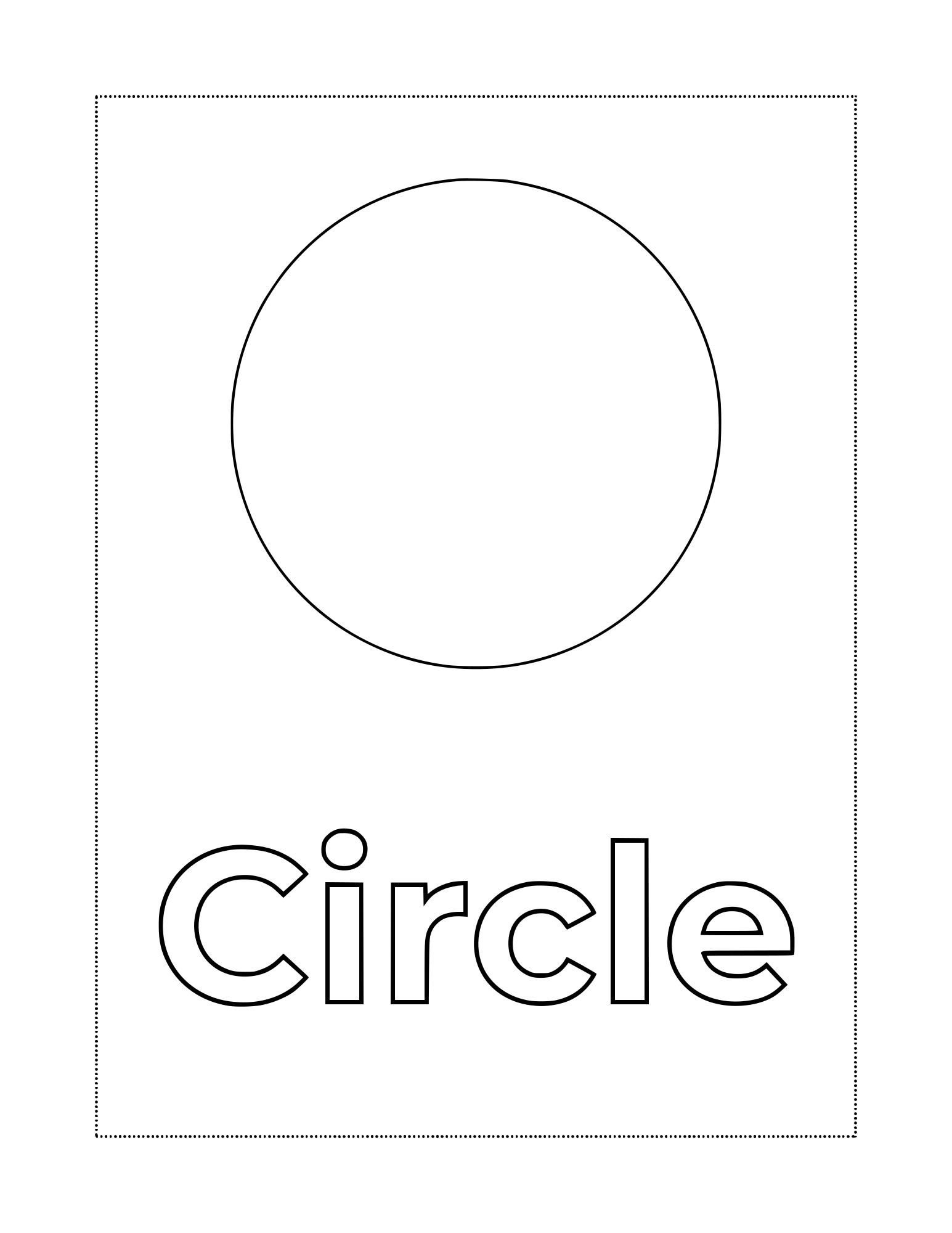
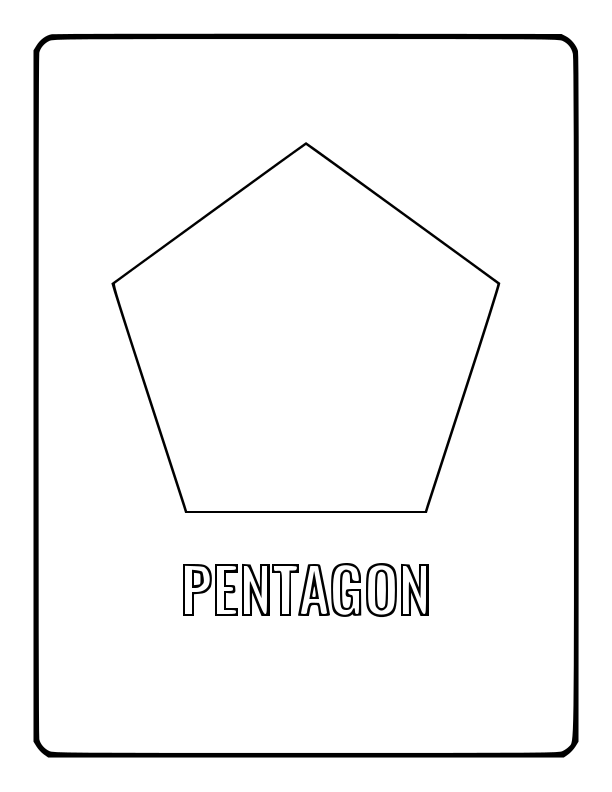
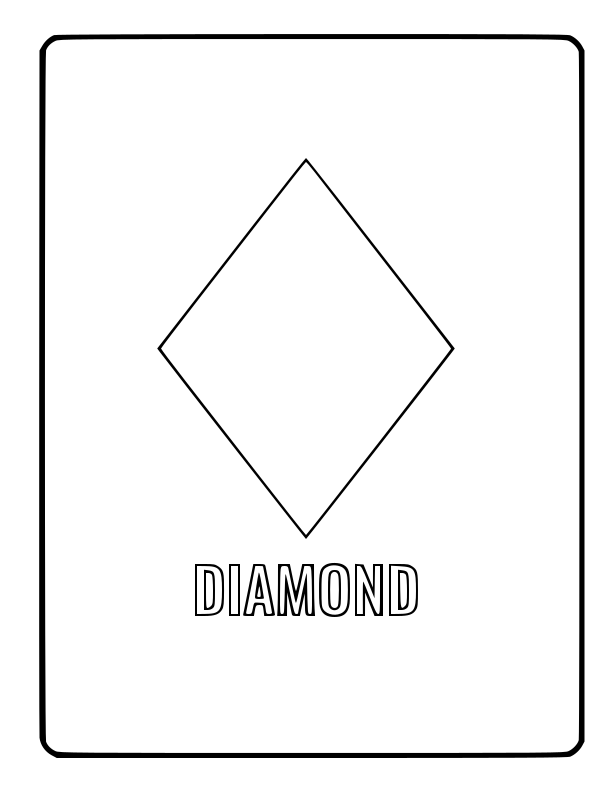
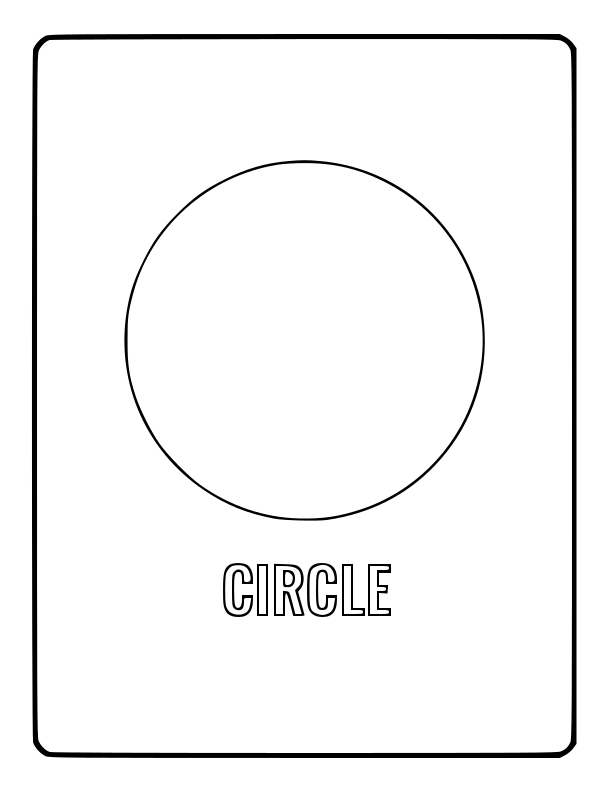
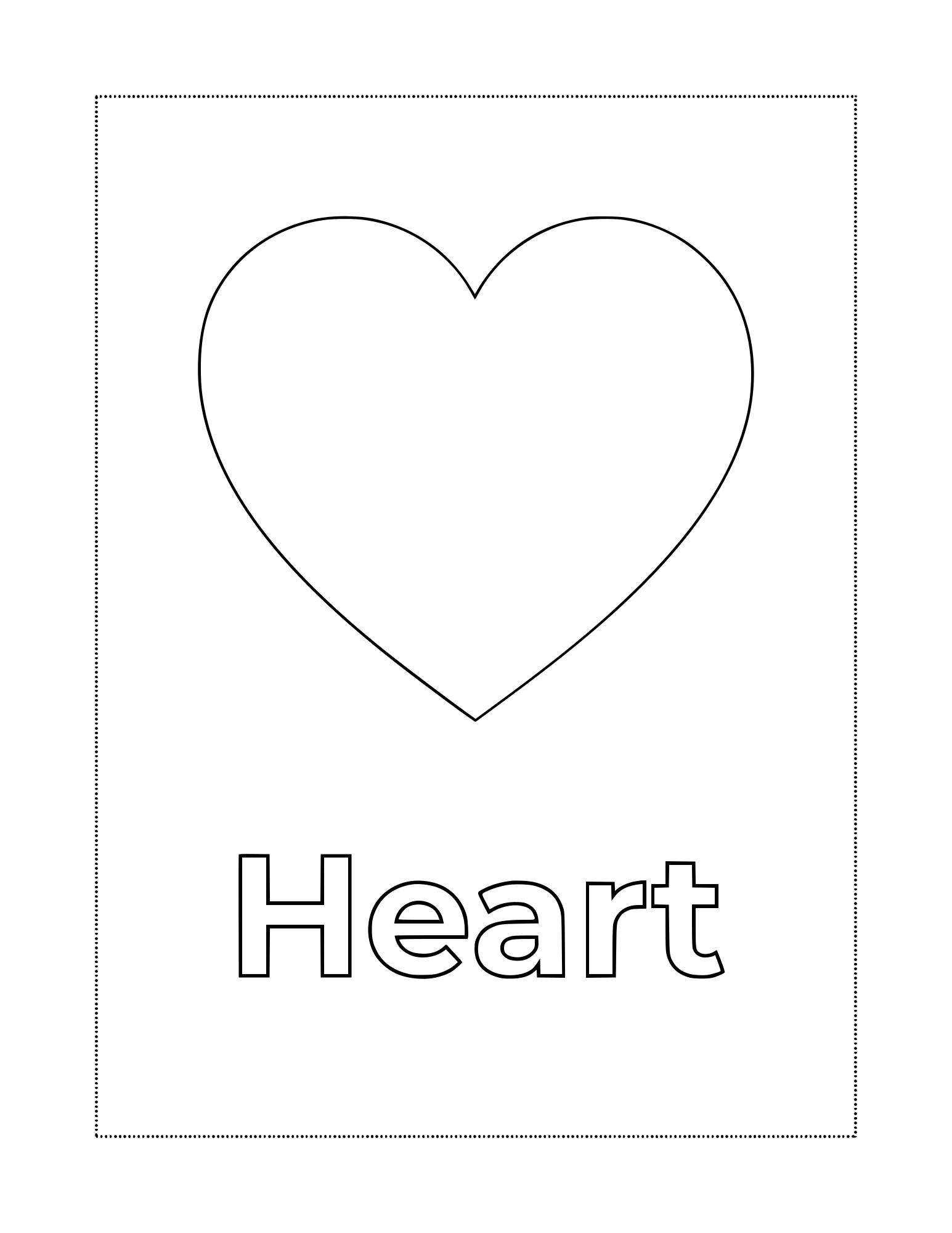
- Basic Shapes — 20 pages featuring the essential shapes every child should know first: circle, square, triangle, rectangle, oval, diamond, star, heart, pentagon, hexagon and more. One shape per page, drawn with large, clear, bold outlines. The perfect starting point for toddlers and preschoolers from age two.
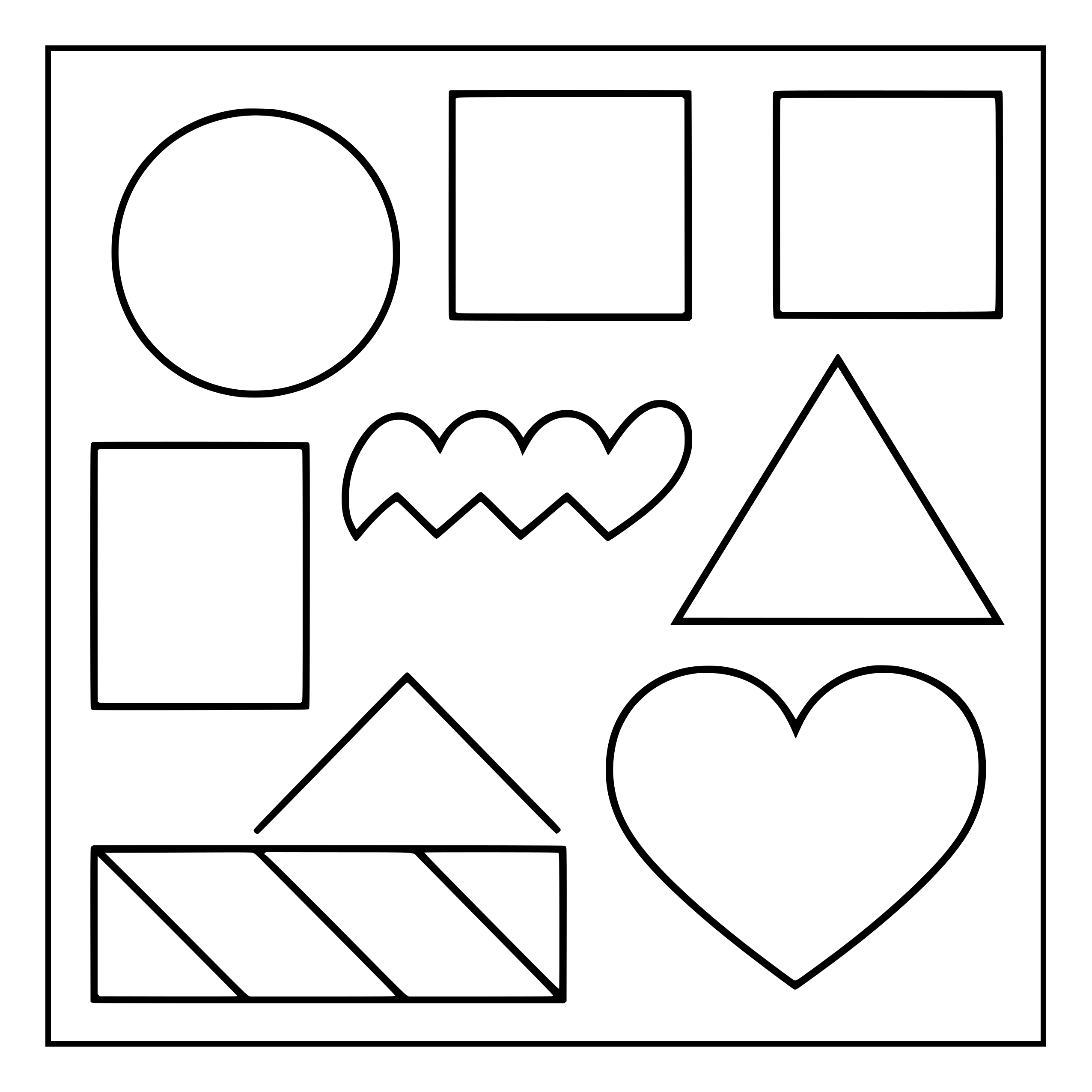
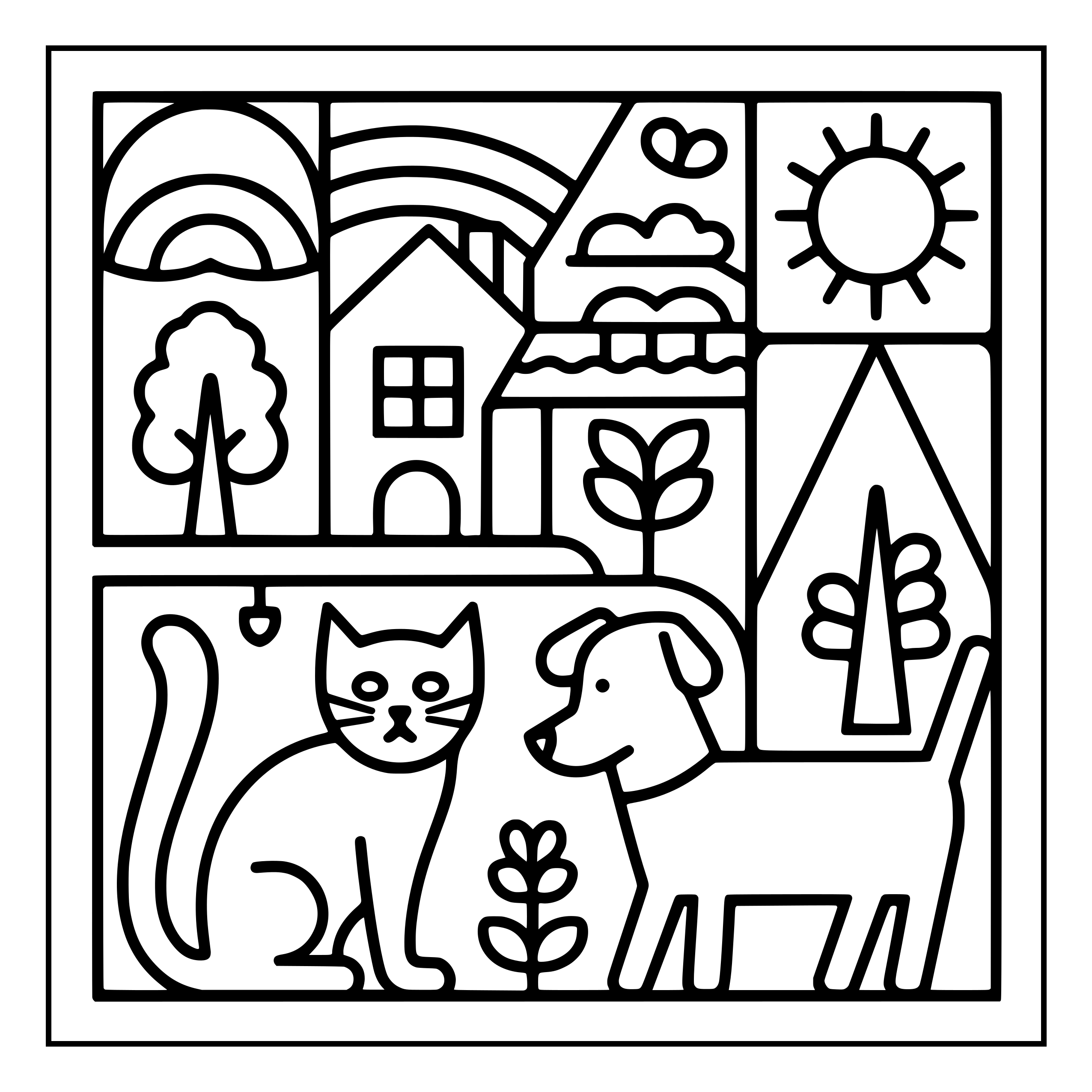
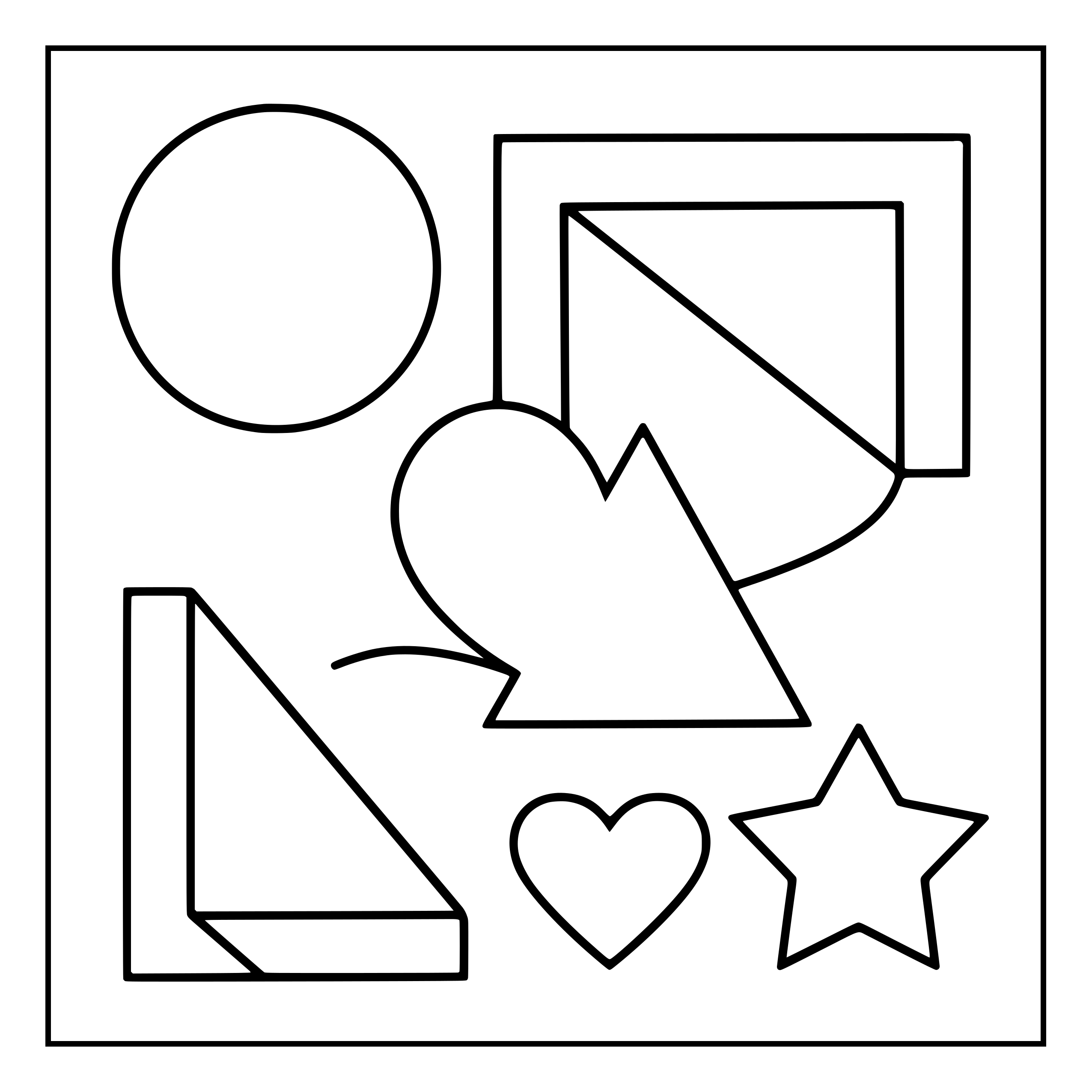
- Shapes for Beginners — 125 pages of simple, accessible shape designs for early learners. This is the largest collection in the library — a rich variety of shapes in clear, spacious outlines that beginners find encouraging and satisfying to color. Ideal for ages 3–6.
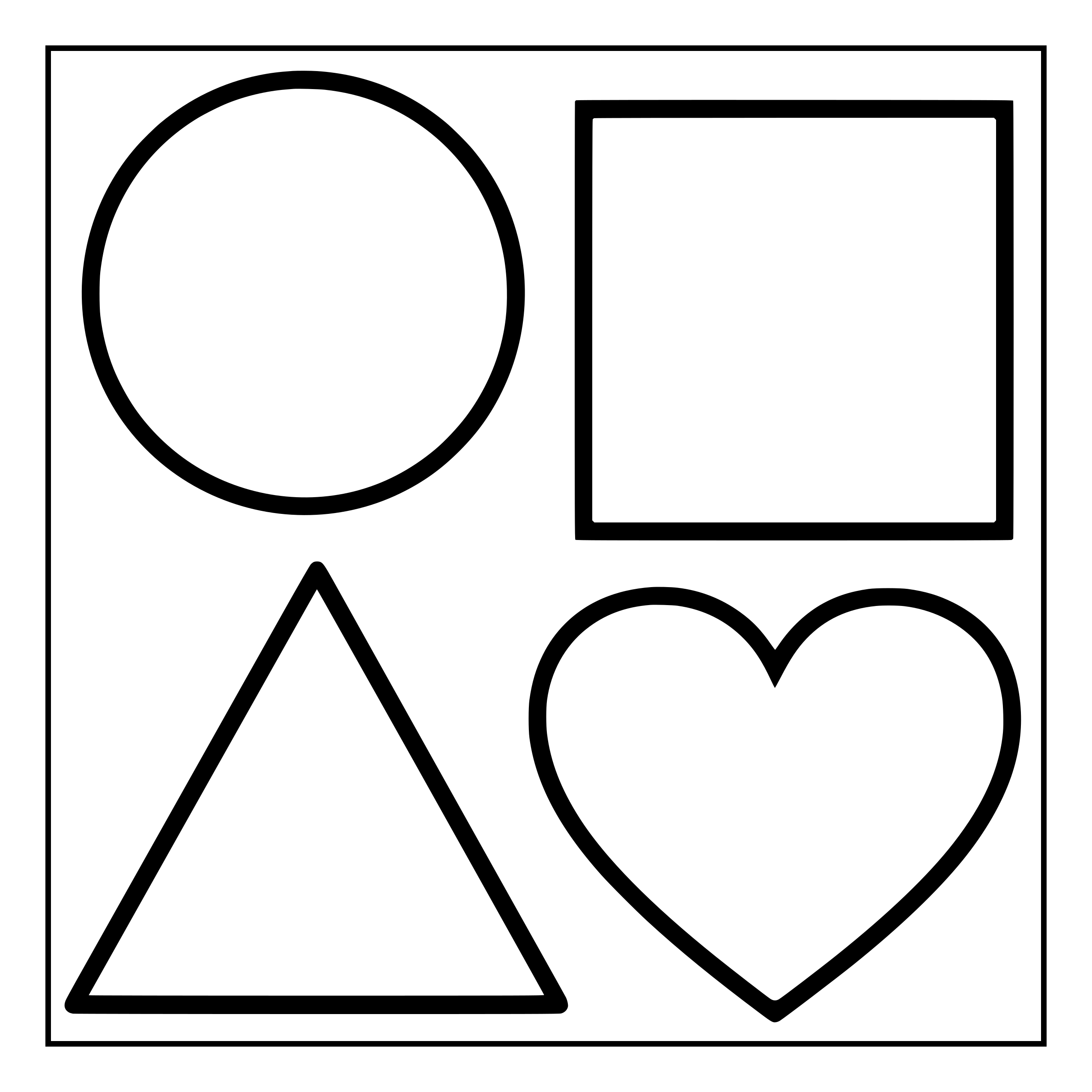
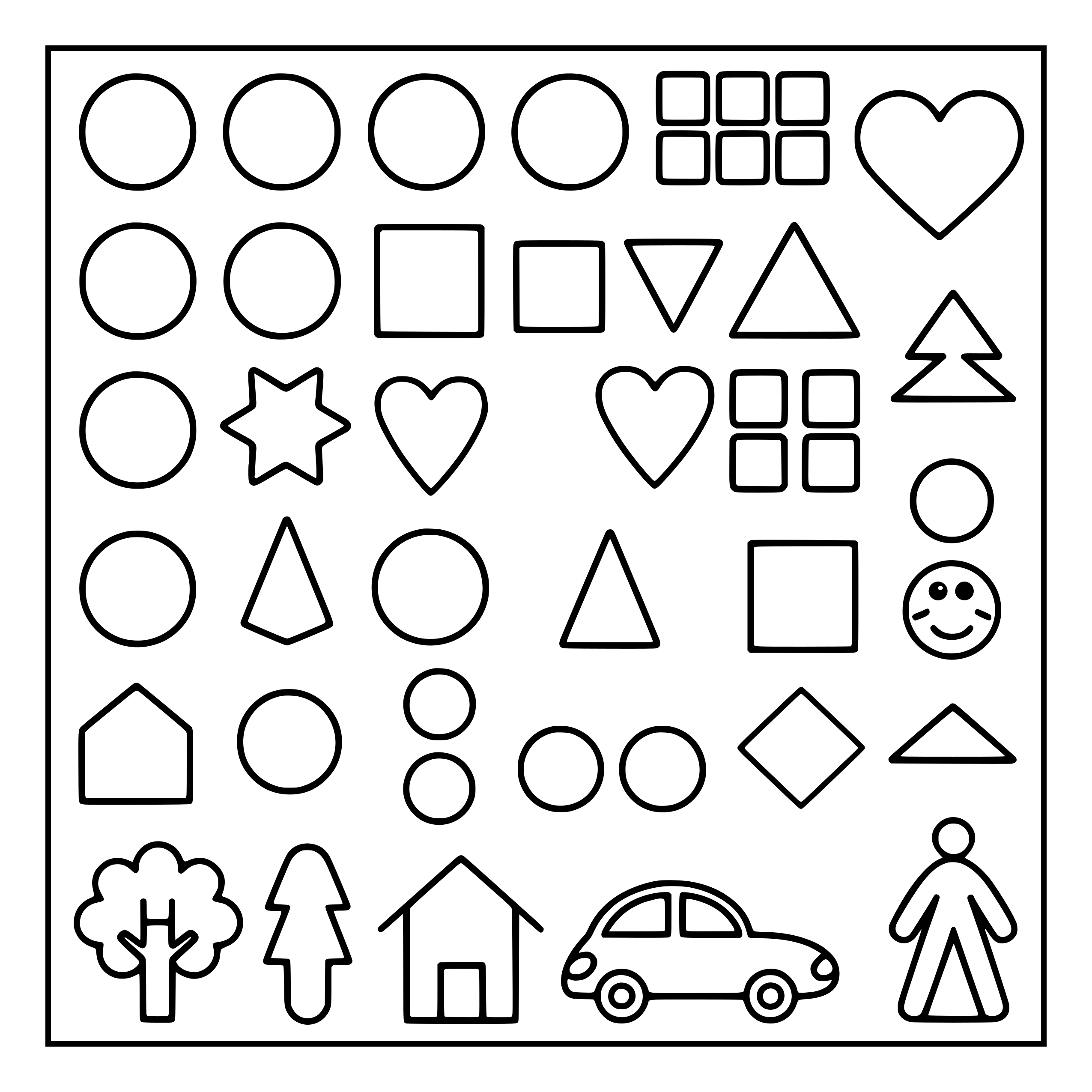
- Toddler Shapes — 28 pages designed specifically for very young children aged 2–5. These pages feature oversized, ultra-simple shape outlines with the maximum possible coloring area — exactly right for little hands still developing their grip and fine-motor control. The first coloring pages many children will ever complete.
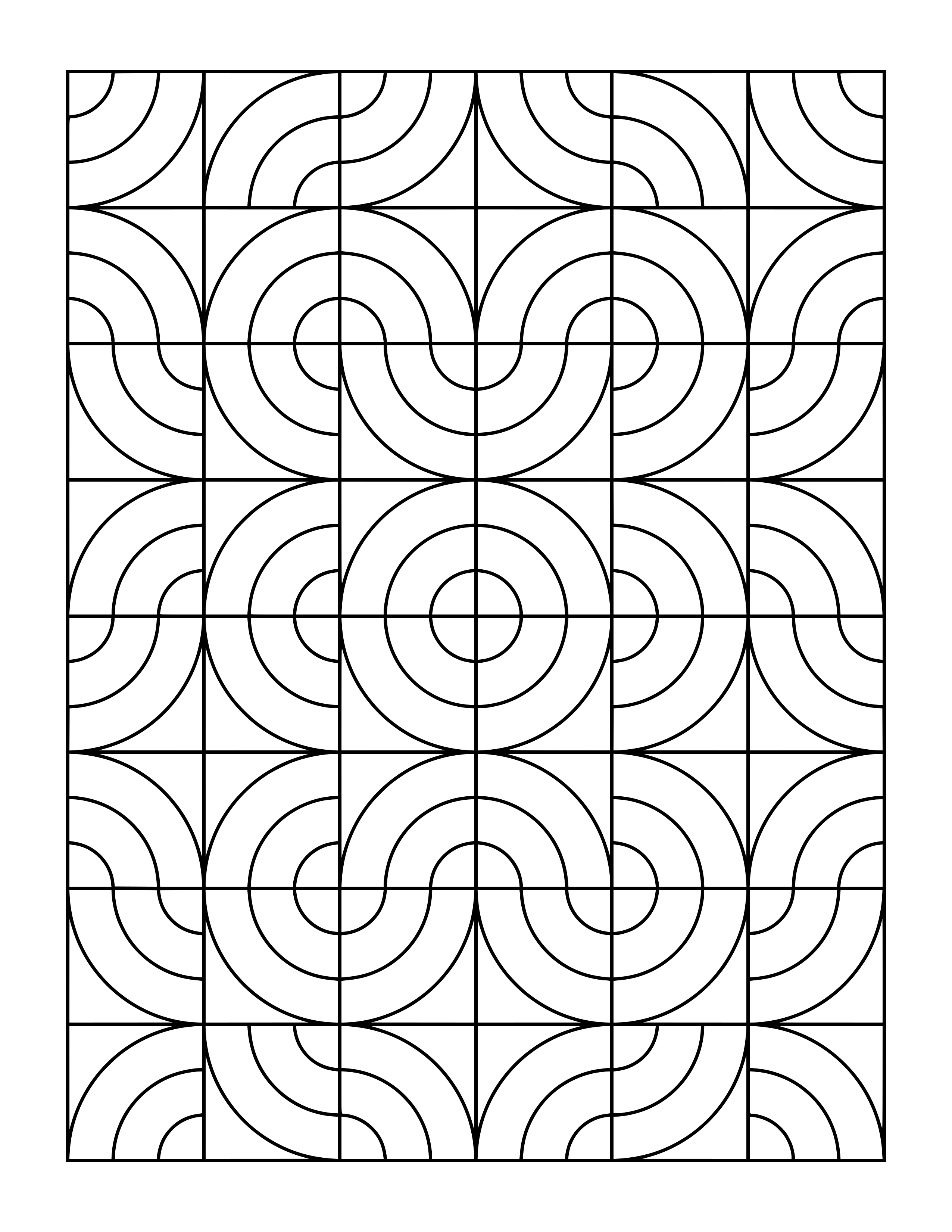
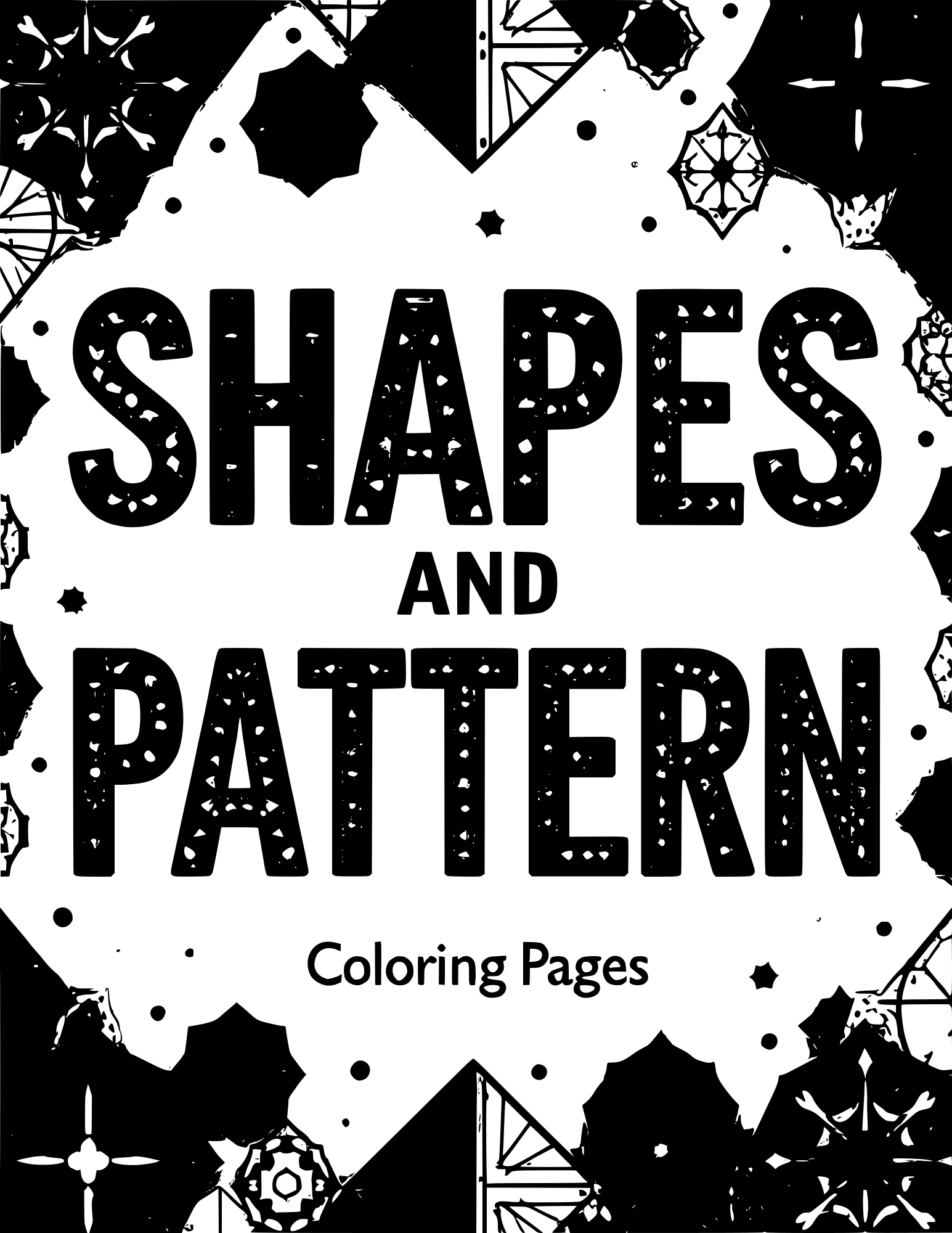
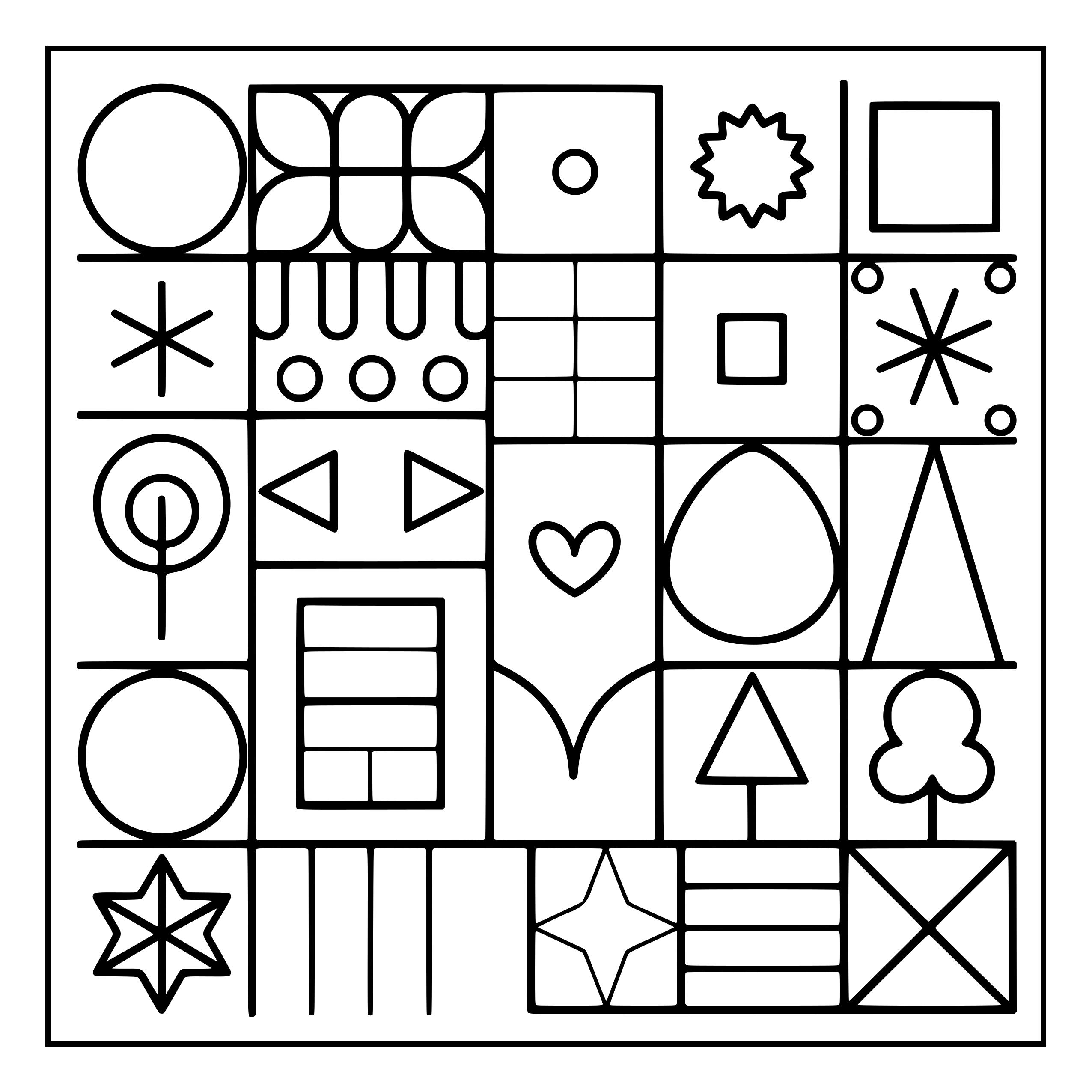
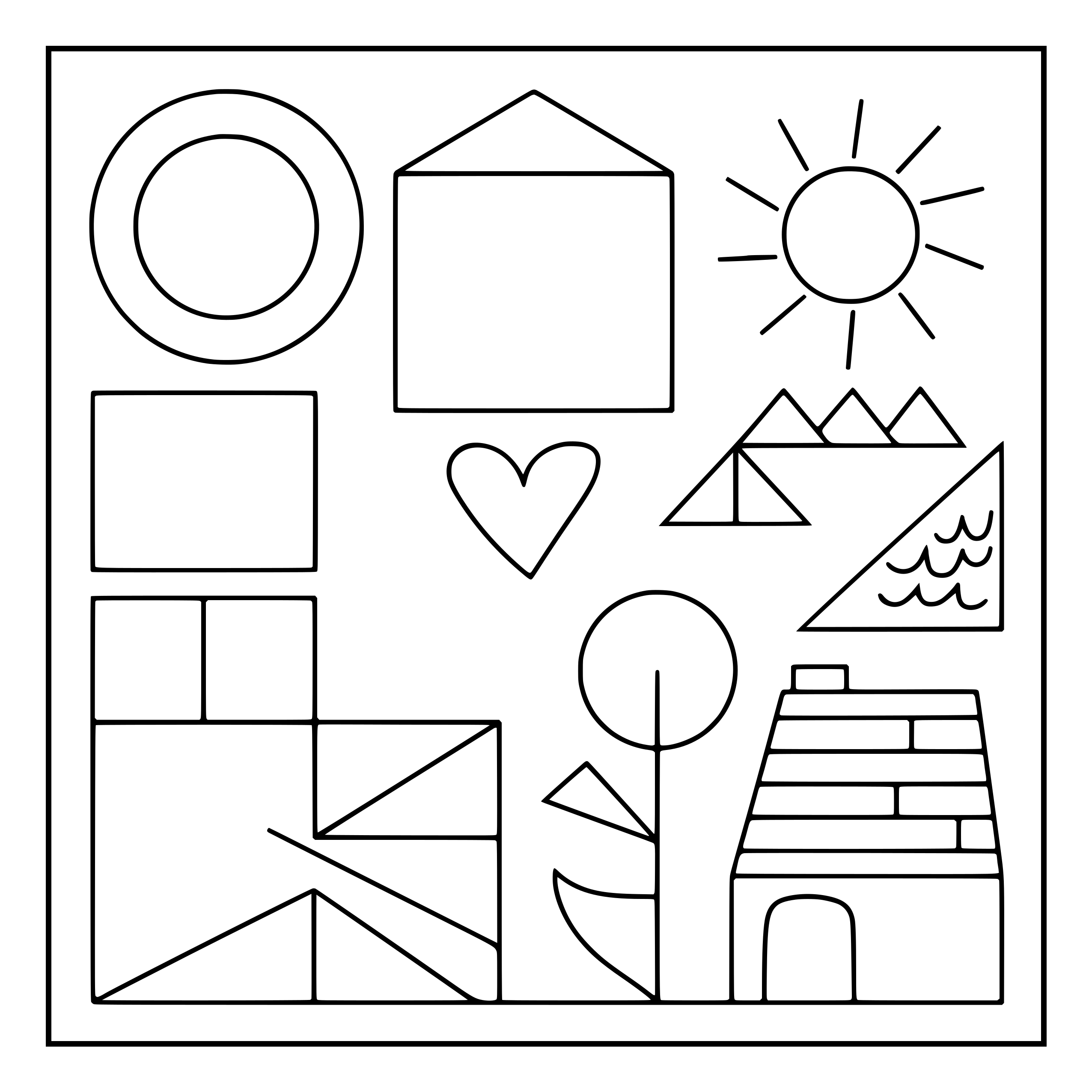
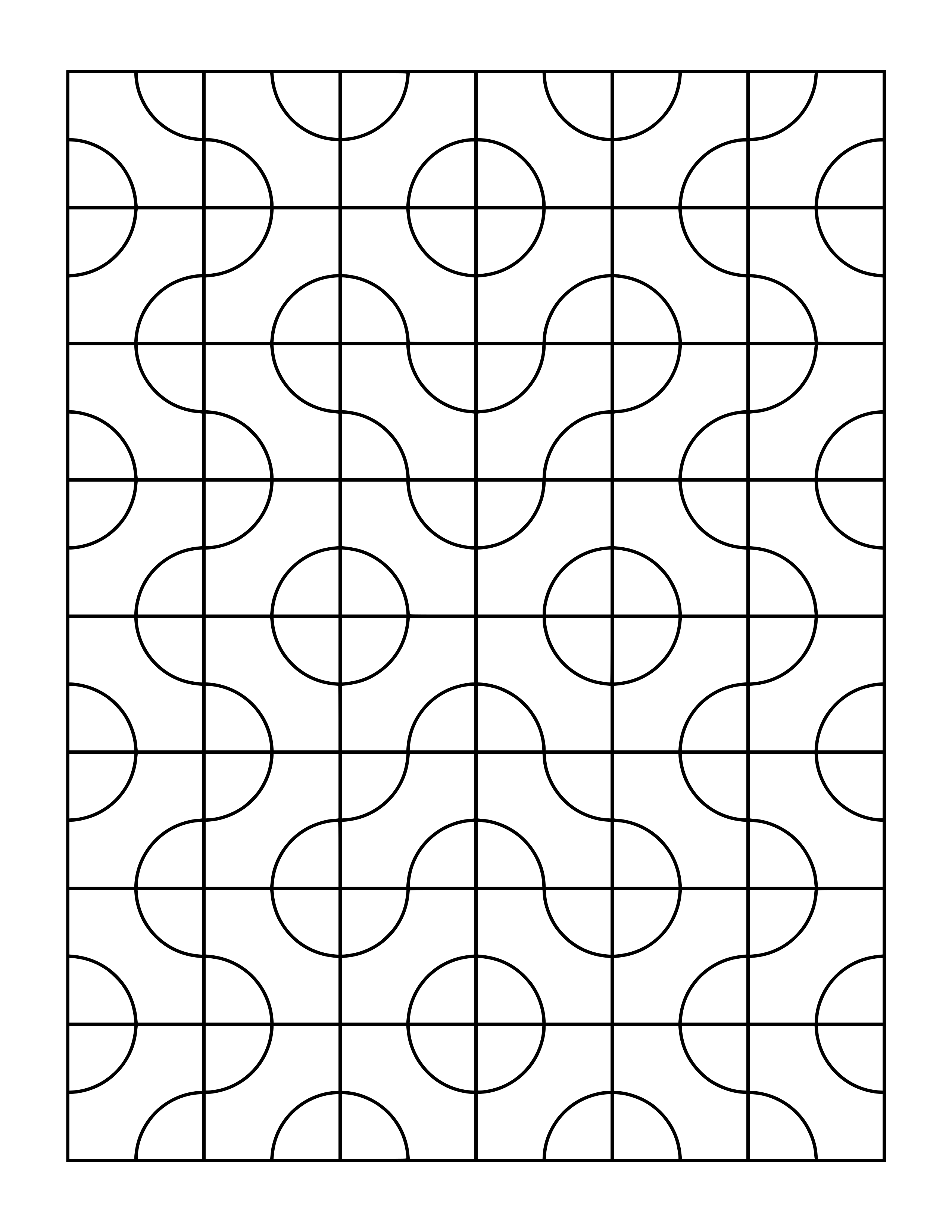
- Shapes and Patterns — 60 pages that transform geometric shapes into decorative art by filling them with repeating patterns, stripes, dots, stars and ornamental details. A beautiful collection that bridges the gap between early shapes learning and adult-style geometric coloring. Suitable for ages 5 and up.
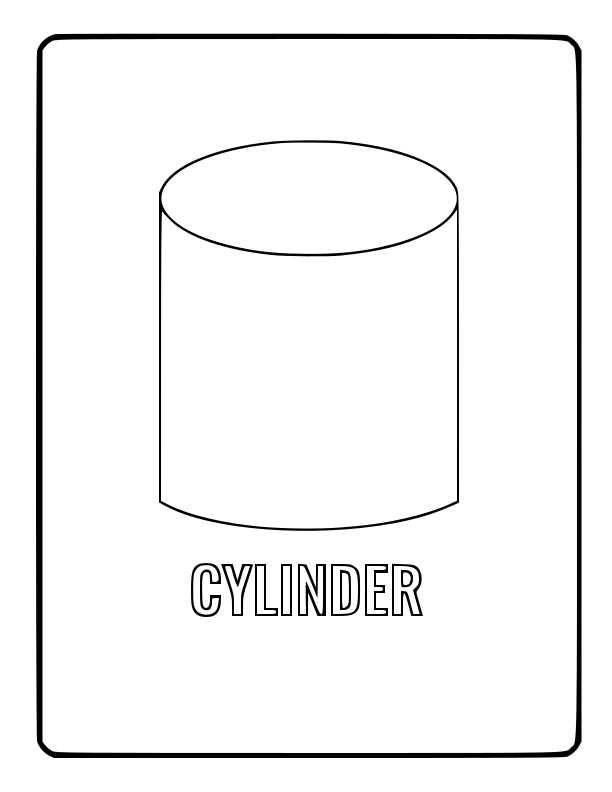
- Geometric Shapes — 20 pages of precisely drawn geometric forms for the school-age classroom: equilateral triangle, right triangle, isosceles triangle, parallelogram, rhombus, trapezoid, pentagon, hexagon, heptagon, octagon, ellipse, kite and more. Each page teaches a specific geometric name and form — ideal for math integration from age 5 upward.
- Shapes Activity Sheets — 100 pages of shape coloring combined with learning activities: naming, tracing, matching and drawing exercises. The largest activity collection in the library, providing weeks of classroom-quality content for preschool through early primary. Teachers and homeschoolers love this collection for its variety and completeness.
Why Shapes Matter — The Science of Early Shape Learning
Shape recognition is not merely a preliminary — it is a cornerstone of cognitive development. Developmental psychologists have documented shape perception in infants as young as three months old: babies distinguish circles from triangles, squares from pentagons, preferring complex forms to simple ones as their visual systems mature. By eighteen months, most children can match two-dimensional shapes to three-dimensional objects. By age three, the typical child can name at least six basic shapes — and children who can name more shapes at age three score significantly higher on mathematics tests at age eight.
The connection between shape knowledge and later mathematical ability is not coincidental. Geometry is the branch of mathematics that deals most directly with spatial relationships — the same mental skills that allow a child to fit puzzle pieces, build with blocks or understand maps. Coloring shapes activates both visual perception (recognizing the form) and fine-motor coordination (navigating the outline), creating a multi-sensory learning experience that reinforces shape knowledge more deeply than simple flashcard drill.
Children who regularly engage with shape activities — including coloring — develop stronger spatial reasoning, better understanding of fractions (cutting shapes into equal parts), earlier readiness for written geometry, and more confident number sense. The act of carefully coloring inside the precise boundary of a hexagon is, in a real sense, the beginning of mathematical thinking.
Using These Pages at Home
There is no need to make shape coloring feel like schoolwork. Simply print a page, set out the crayons, and color together. Name the shape before starting. Trace its outline with a finger. Count its sides and corners. Ask questions — "is this the same shape as our window?" "How many triangles can you spot in this room?" — and let the coloring conversation develop naturally. The learning happens without effort; the enjoyment is the point.
Using These Pages in the Classroom
All 353 pages may be printed and distributed free of charge for classroom and educational use. The basic shapes and toddler collections are ideal for nursery and reception year. The geometric shapes collection integrates naturally with KS1 and KS2 mathematics curriculum in England and equivalent levels internationally. The activity sheets provide structured practice that works as morning work, math station activity or take-home homework. Print a class set of the same page for a guided lesson, or provide a selection and let children choose — both approaches are educationally sound.
How to Color Shapes — Tools and Techniques by Age
Ages 2–4 (Toddler and Basic collections)
Chunky wax crayons are ideal for the youngest colorists — they are easy to grip, produce visible results with light pressure, and are naturally non-toxic. The goal at this stage is not precision but engagement: getting the crayon to move inside the outline, choosing a color, completing the page. Any color is the right color. Celebrate every finished page enthusiastically — the positive association with coloring is itself a learning outcome.
Ages 4–6 (Beginners, Toddler collections)
Thin-tipped washable markers or standard crayons. Children this age are developing genuine intentionality in their coloring — they begin to choose specific colors, they try to stay within lines, they name colors aloud. Ask them what color they are choosing and why. Introduce color naming ("that's orange — can you find something orange in this room?") as a natural part of the session.
Ages 6+ (Geometric, Patterns, Activity collections)
Colored pencils are the ideal tool for the more detailed pages. They allow precise line work along sharp geometric edges, layering and blending for gradient effects inside larger shapes, and fine detail in the patterned designs. A set of 12 or 24 pencils gives enough variety for beautiful results. Felt-tip pens produce bold, saturated fills on the simpler geometric shapes — a satisfying contrast to pencil work when doing a mixed coloring session.
Color Palette Ideas for Shapes
- Rainbow sequence — Assign one color of the rainbow to each shape on the page. Red circle, orange square, yellow triangle, green rectangle, blue star, indigo diamond, violet heart. The color-shape pairing creates an additional memory hook.
- Warm family — Fill every shape with reds, oranges and yellows. A single warm palette across the whole page creates a cohesive, glowing result that looks deliberately artistic.
- Cool calm — Blues, purples and greens only. This palette works beautifully on the patterned shapes pages — the cool tones make geometric patterns feel elegant and meditative.
- Contrasting pairs — Alternate between two complementary colors: orange and blue, red and green, yellow and purple. The contrast makes each individual shape pop visually while the pattern across the whole page feels organized.
- Monochrome gradient — Use only one color family (say, blue) but in three to five shades from very light to very dark. Apply each shade to a different shape. This teaches children about tonal variation — one of the most important concepts in visual art — in a completely non-intimidating context.
Printing Your Shapes Coloring Pages
All 353 shapes coloring pages are available as high-quality PDFs. A few tips for the best printed results:
- Use A4 or US Letter paper — all pages are optimized for standard home and classroom printers.
- Set print quality to High or Best to keep shape outlines crisp and clean. This matters especially for the geometric shapes pages, where the precision of the outlines is part of the educational content.
- Print in black ink only — these are black-line drawings ready to be colored. Avoid grayscale mode, which adds an unwanted grey tint to the white areas.
- For toddlers, consider printing at A3 size if available — the larger format gives very young children even more space to color and is easier for small hands.
- Print multiple copies of the same shape page — children love to color the same circle five different colors in a row, and the repetition is genuinely good for shape learning and fine-motor practice.
- For classroom use, a laminated copy of the basic shapes pages makes a durable, reusable mat that children can color with dry-erase markers and wipe clean — endlessly reusable for a whole school year.
All shapes coloring pages are completely free to print as many times as you like, for home, classrooms, homeschooling and educational workshops — no sign-up, no watermark, no limit. When you have explored the shapes, discover our numbers coloring pages and alphabet coloring pages for more free early-learning printables, or browse the full free printables library.