Free Numbers Coloring Coloring Pages
134 free number coloring pages for kids — classic 0–10, counting up to 50, animal numbers, cute characters and illustrated scenes. Print-ready PDF, no account needed.
Browse by style
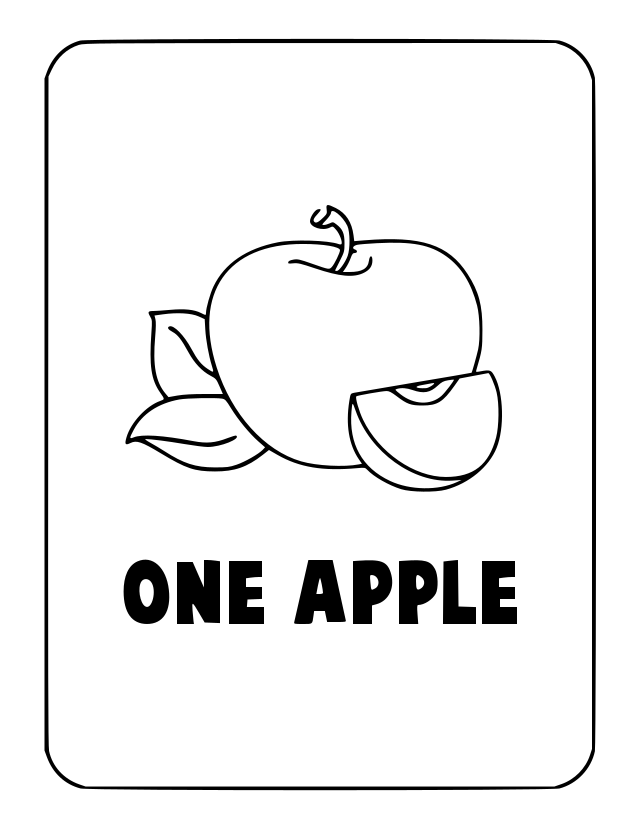
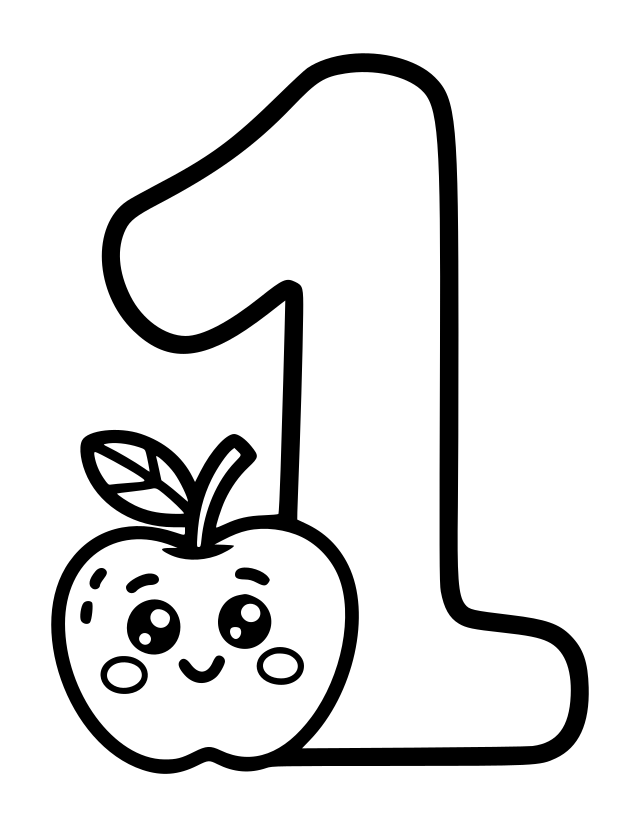
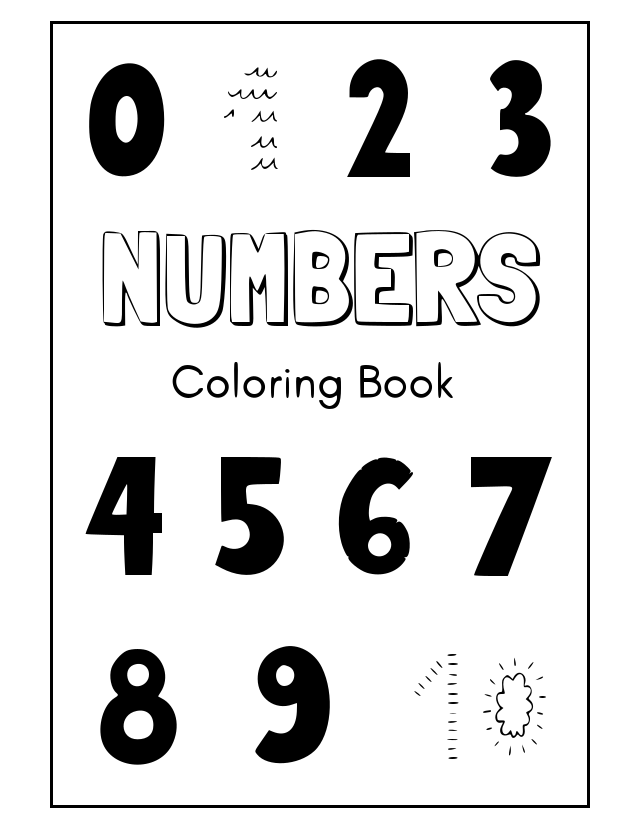
Or scroll down to browse all 134 pages →
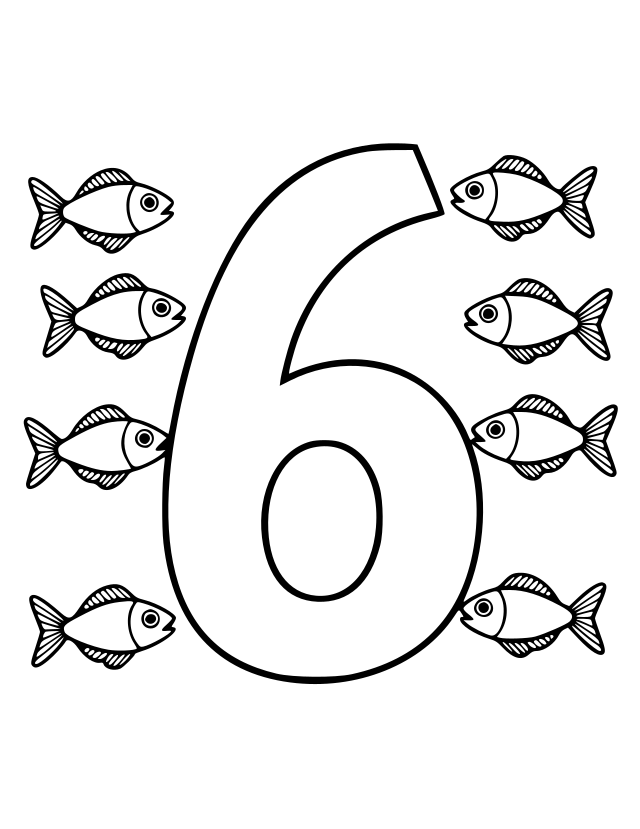
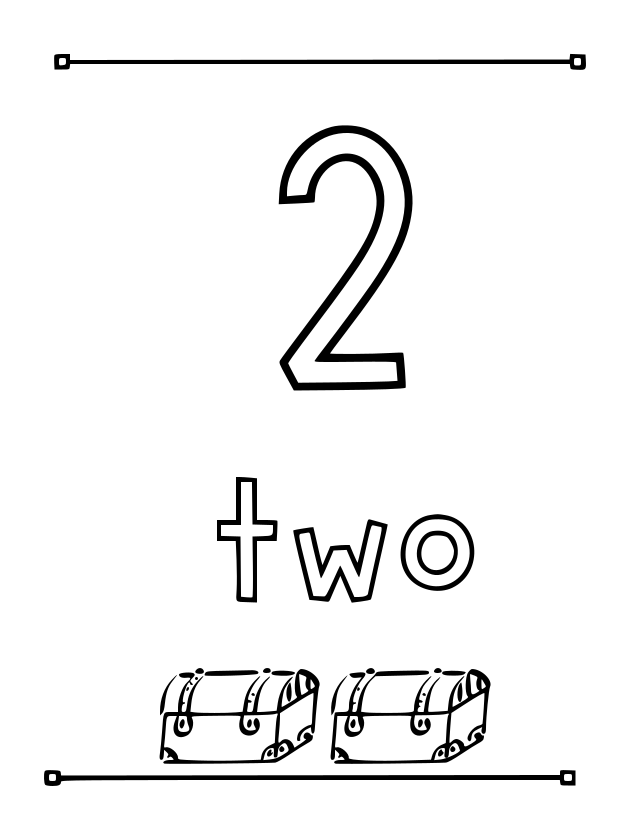
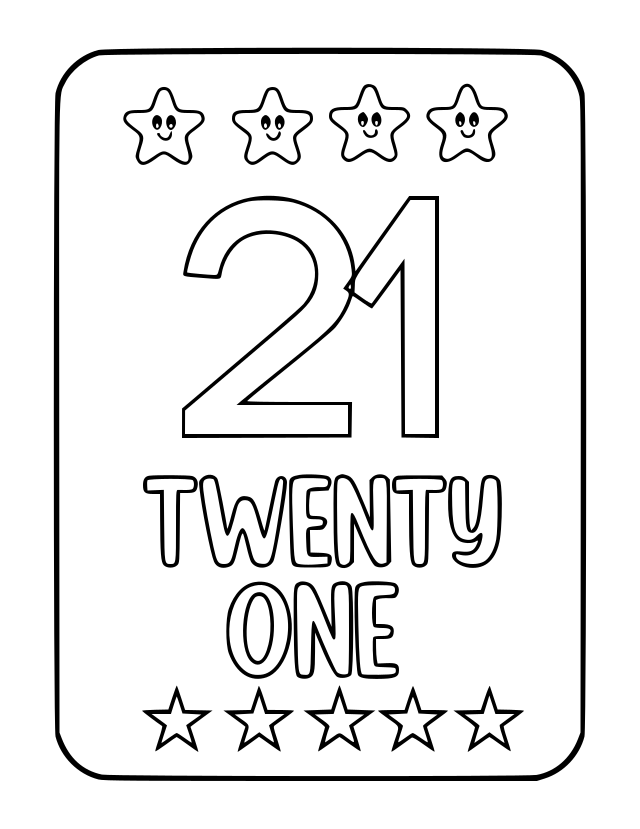
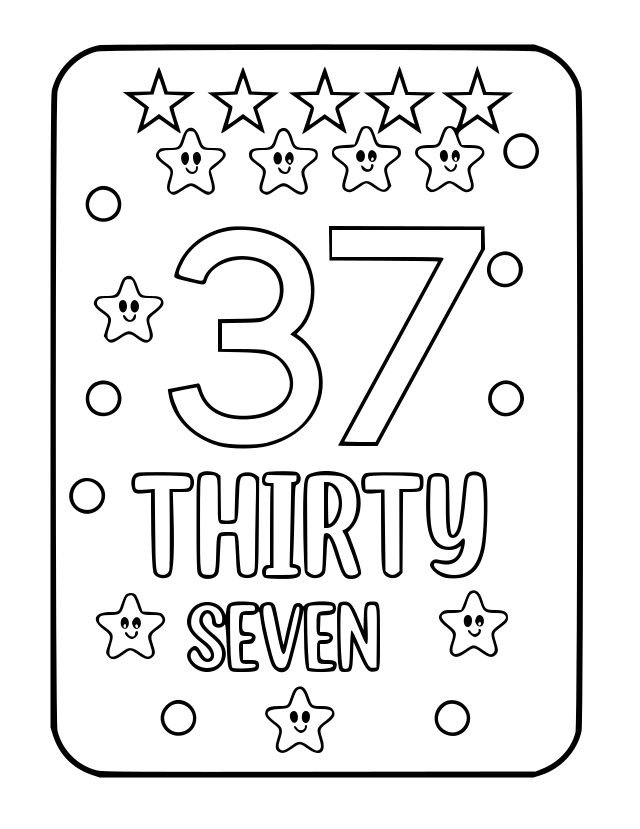
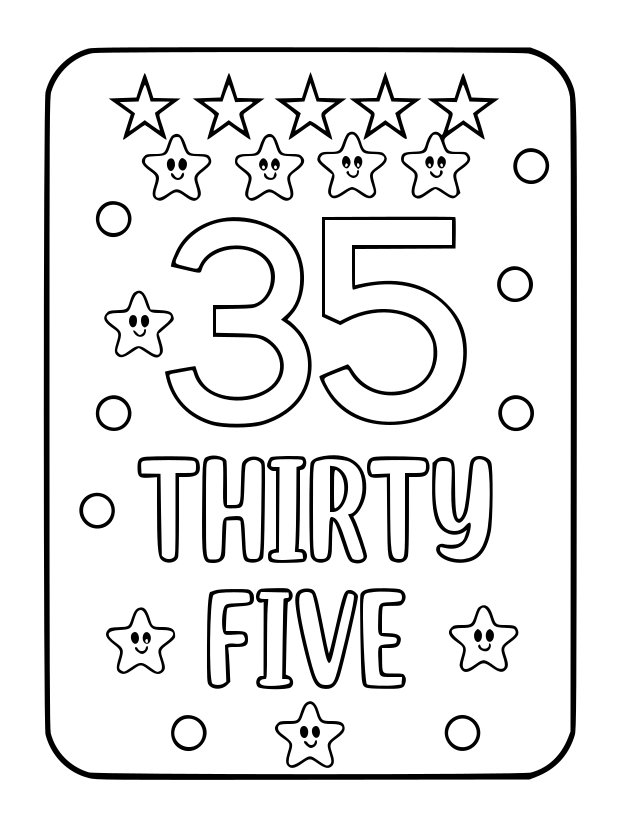
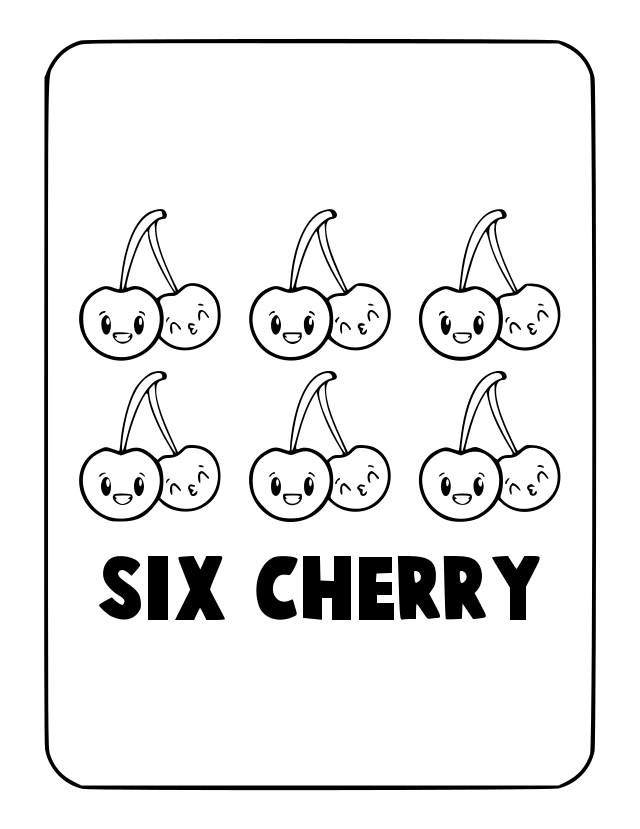
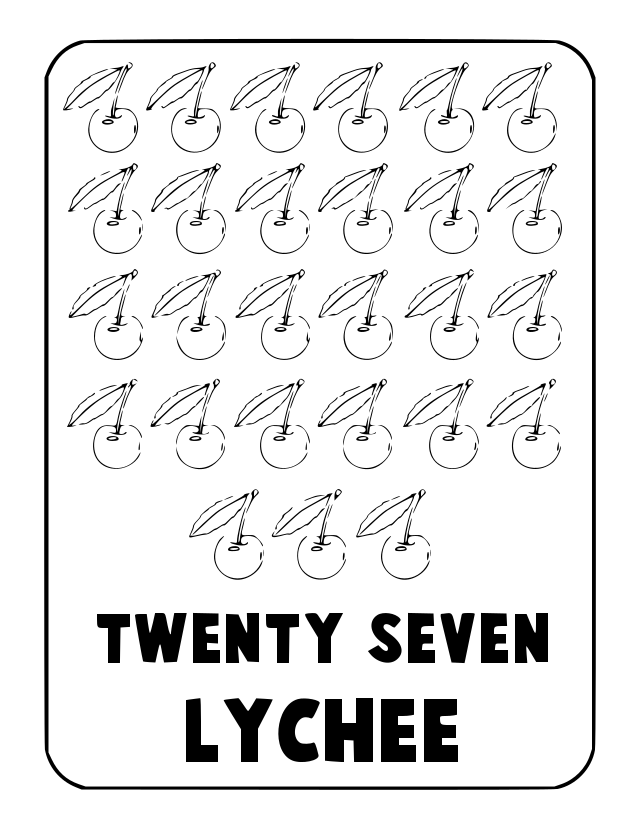
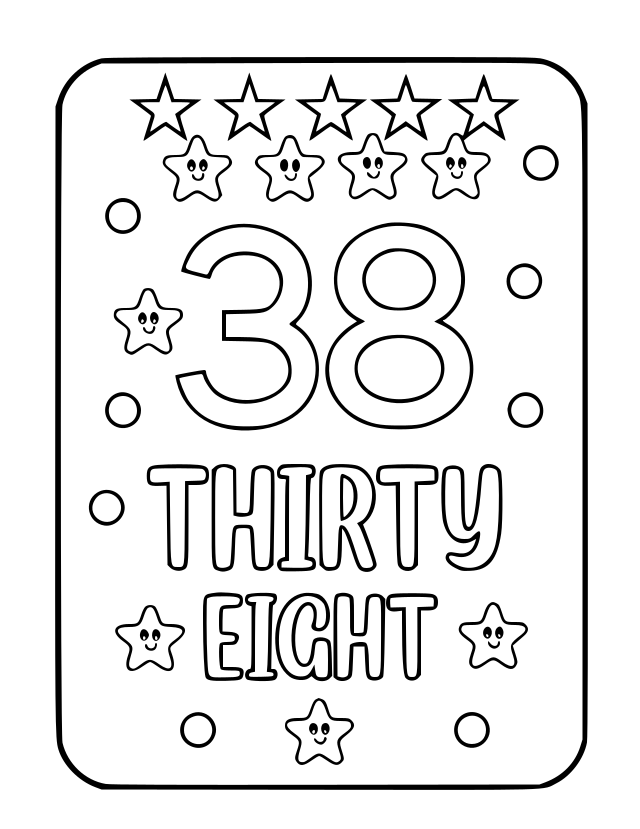
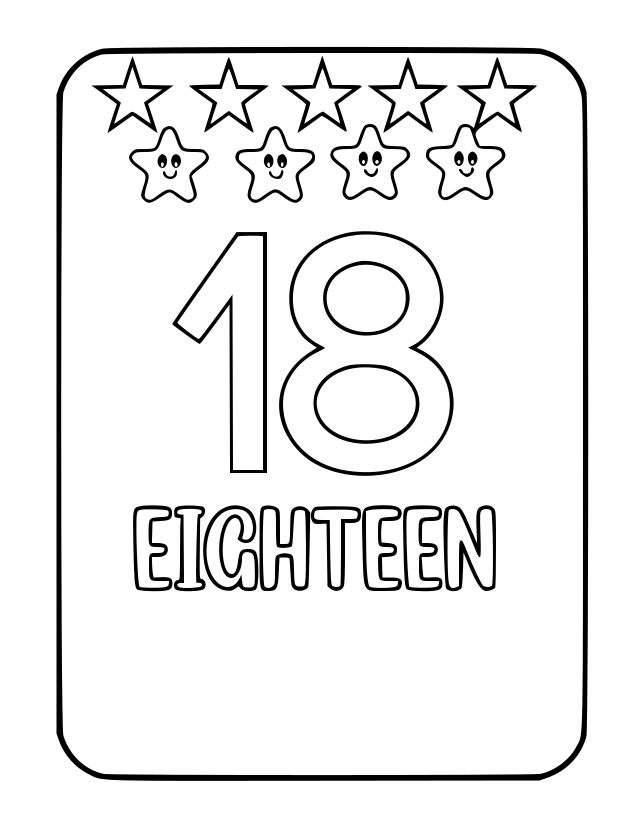
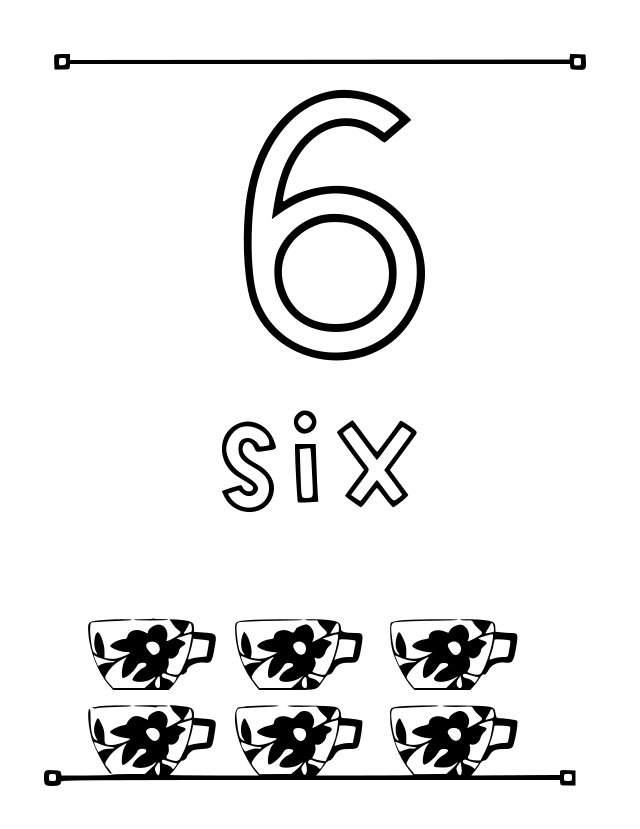
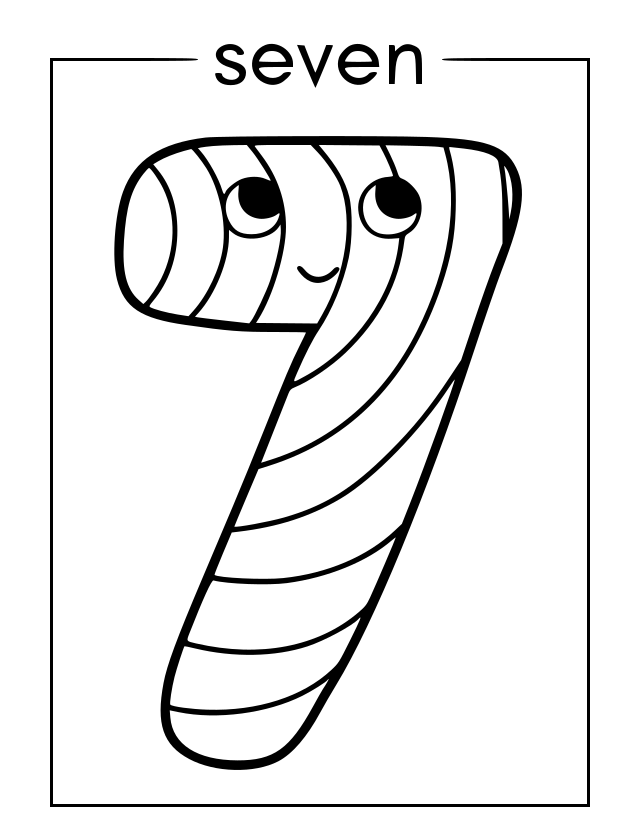

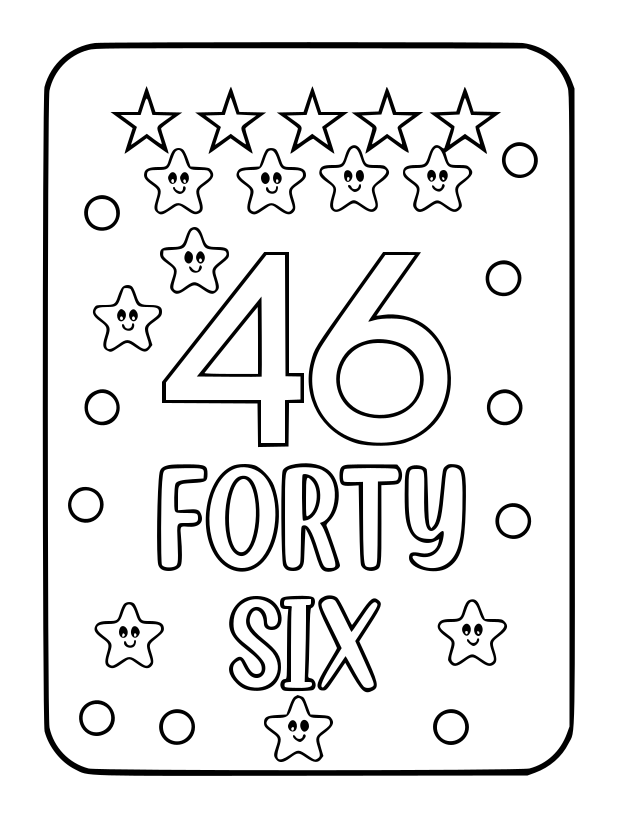


About Numbers Coloring Coloring Pages
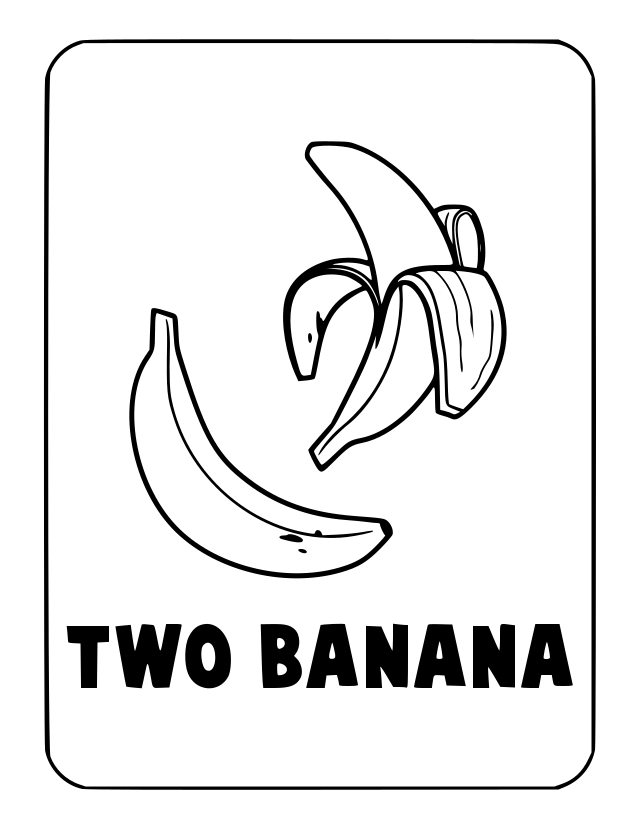
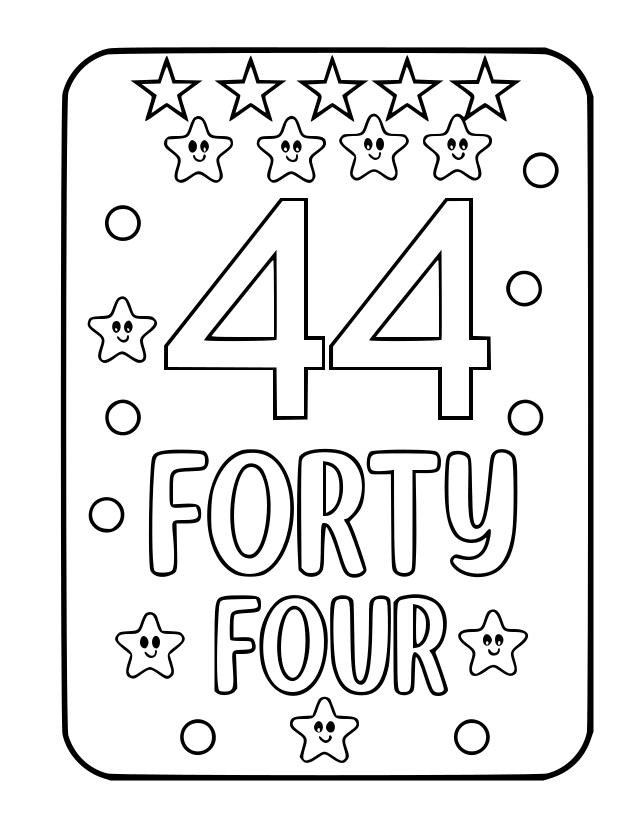
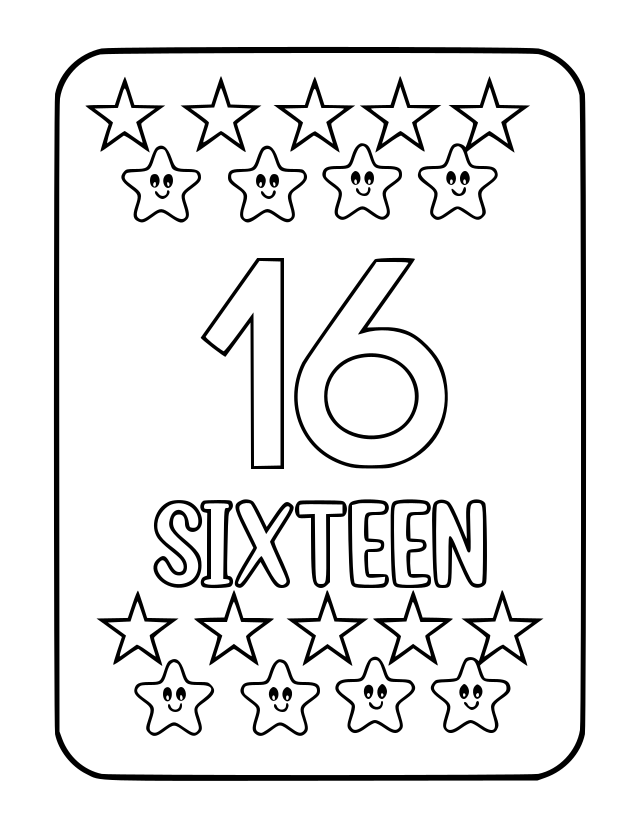
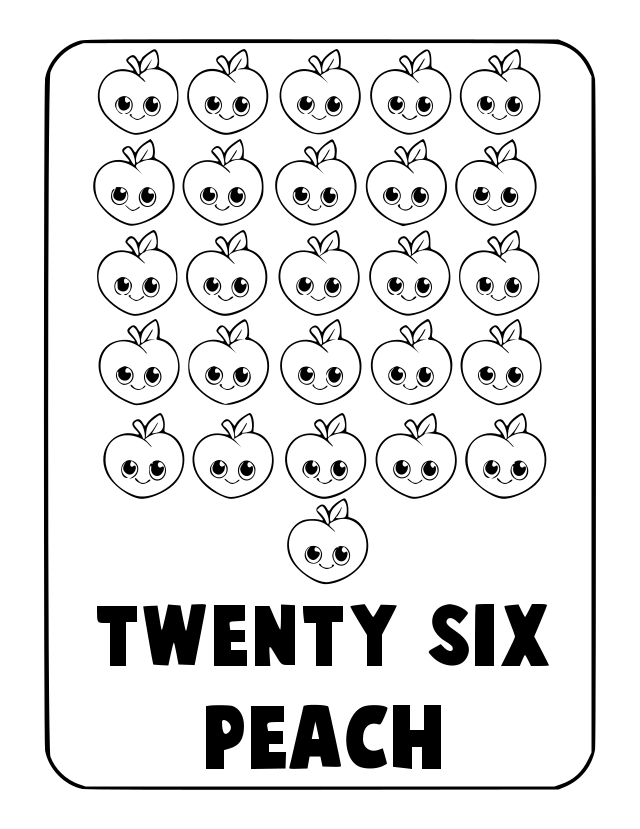
With 134 free number coloring pages across six themed collections — classic 0–10 for the very youngest, counting pages up to 30 and 50, animal numbers, adorable kawaii-style digits and richly illustrated number scenes — this is a complete number coloring library for early learners. Every design is available as a print-ready PDF. No account, no paywall, no watermark. Just download and color.
A Short History of Numbers and Counting
Numbers are among the oldest human inventions. The earliest known counting records — tally marks scratched into bones by Paleolithic people in Africa more than 40,000 years ago — show that long before writing, agriculture or permanent settlements, human beings were counting things. The Ishango bone, discovered on the shores of Lake Edward in what is now the Democratic Republic of Congo and dated to around 20,000 BCE, carries a series of notch groups that many scholars read as a lunar calendar — the earliest evidence of deliberate mathematical thinking we possess.
Written number systems emerged independently in several civilizations within a few thousand years of each other. The Sumerians of Mesopotamia developed a base-60 system around 3000 BCE — the ancestor of the 60 minutes, 60 seconds and 360 degrees we still use today. The ancient Egyptians wrote numbers as hieroglyphs using powers of ten. The Maya, in complete isolation from the Old World, invented zero and a sophisticated base-20 calendar arithmetic. The Romans gave Western civilization twelve centuries of letters-as-numbers (I, V, X, L, C, D, M), functional for recording quantities but nearly impossible for calculation.
The numerals children color today — 0, 1, 2, 3, 4, 5, 6, 7, 8, 9 — are called Hindu-Arabic numerals. They were developed in India around the 5th century CE, refined by Arabic scholars who introduced them to Europe in the medieval period, and adopted across the Western world by the 15th century. Their great innovation was positional value: the same digit changes meaning depending on where it sits. A 2 means two in the ones column, twenty in the tens column and two hundred in the hundreds column — a brilliantly simple idea that made arithmetic, algebra and ultimately all of modern science possible. When a child learns to recognize these ten symbols, they inherit one of the most powerful tools in human history. If you enjoy educational coloring, our free alphabet coloring pages make a perfect companion for early learners.
What's in Our Numbers Collection
Our 134 pages are organized into six themed sub-categories, each designed for a different age, level and learning goal:
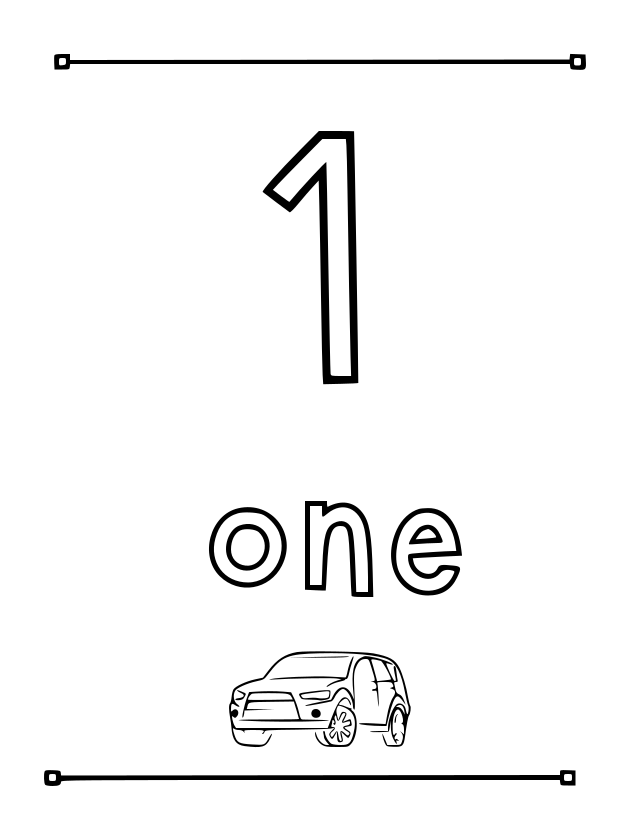
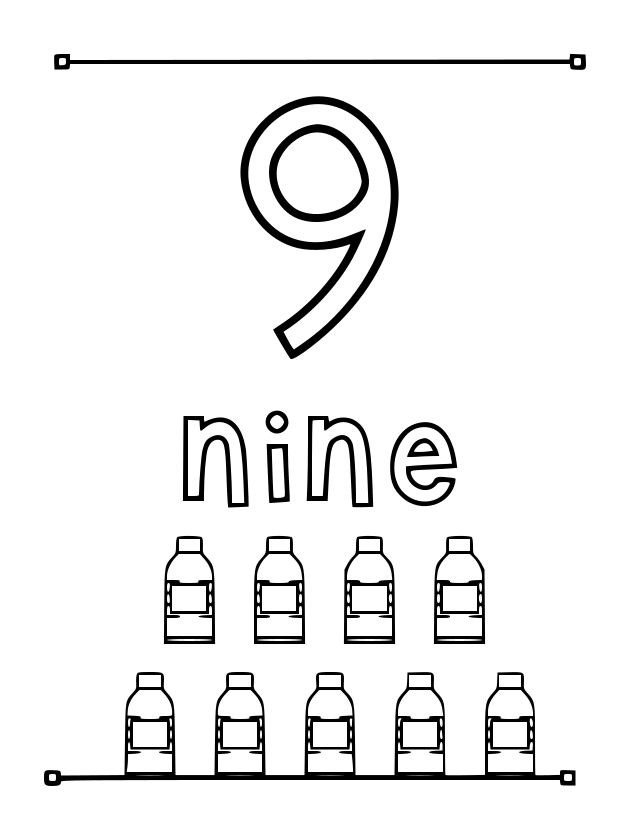
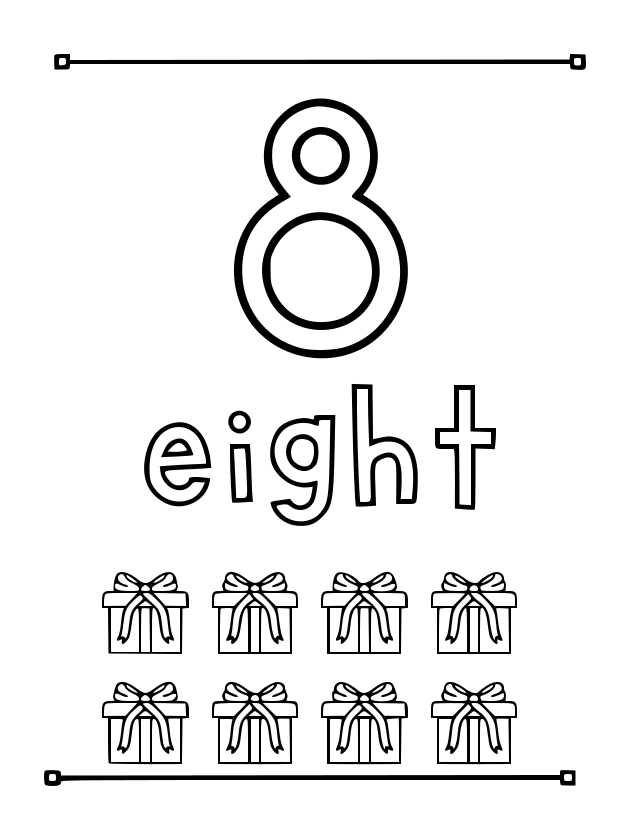
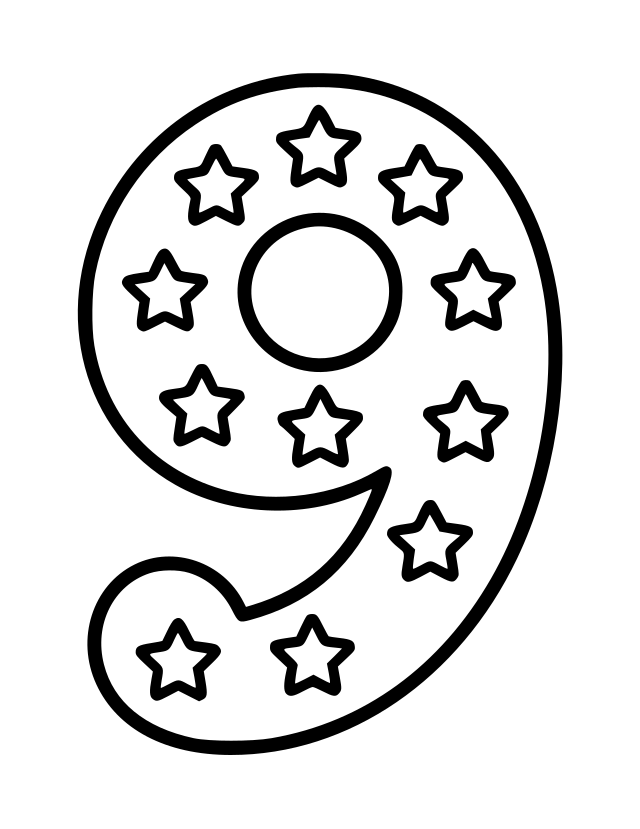
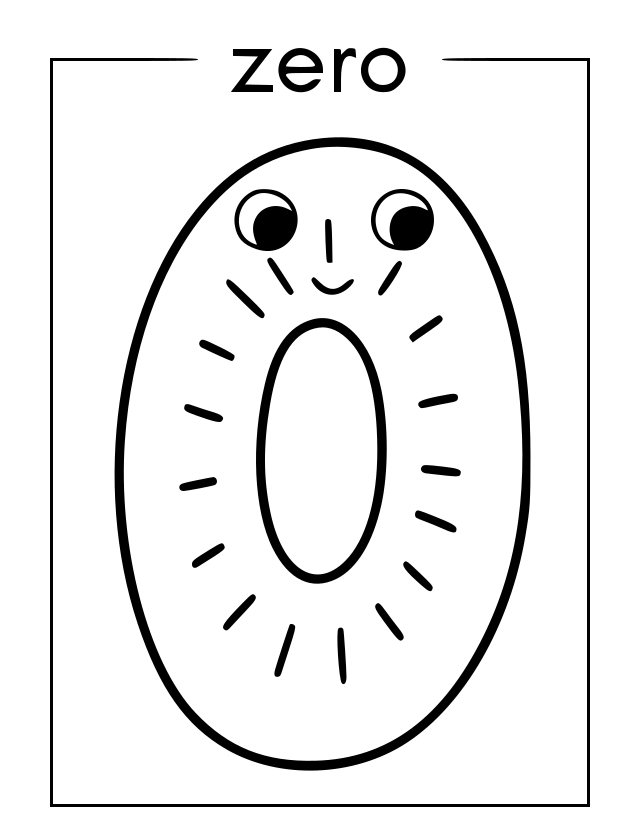
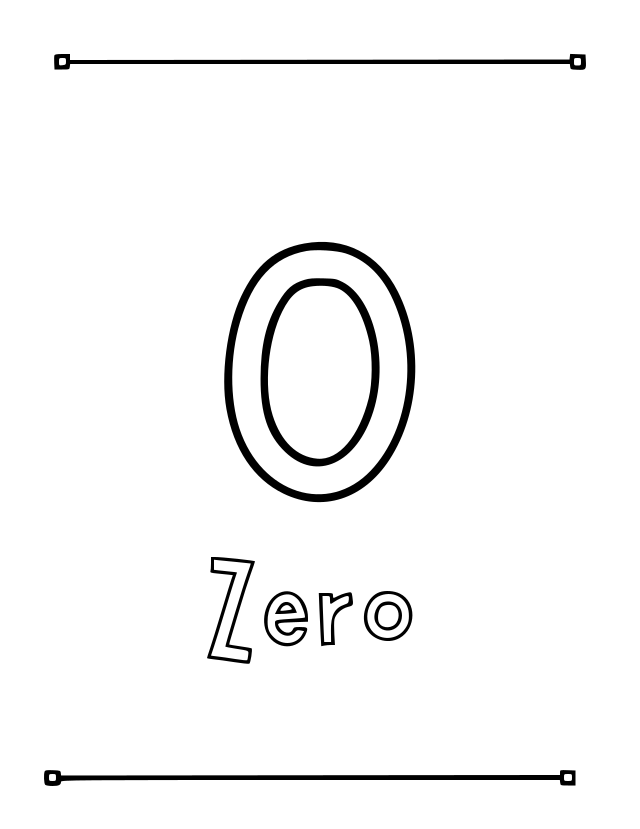
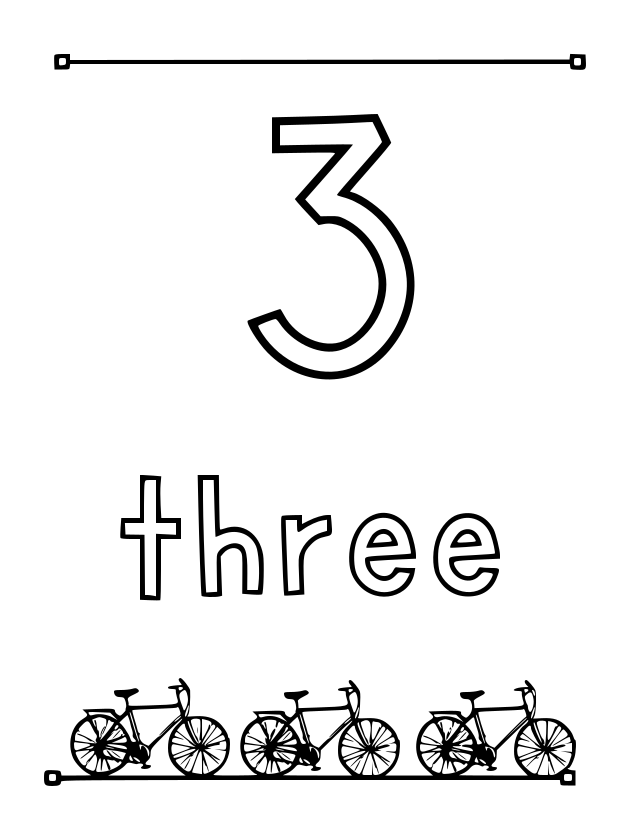
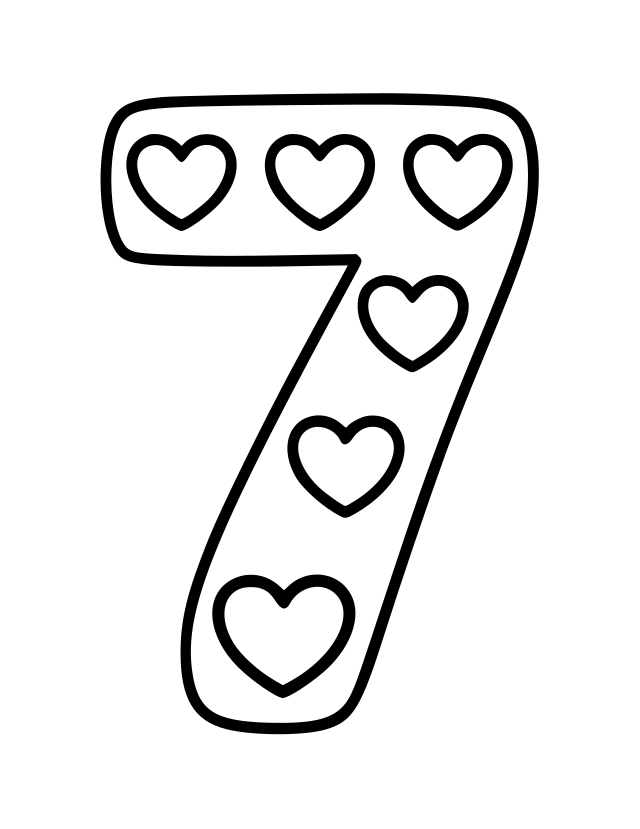
- Classic 0 to 10 — Bold, clear digit designs from 0 to 9, one per page. No decorations, just the pure numeral in a large, easy-to-color format. The ideal first step for toddlers and the very youngest learners who are just beginning to recognise number shapes.
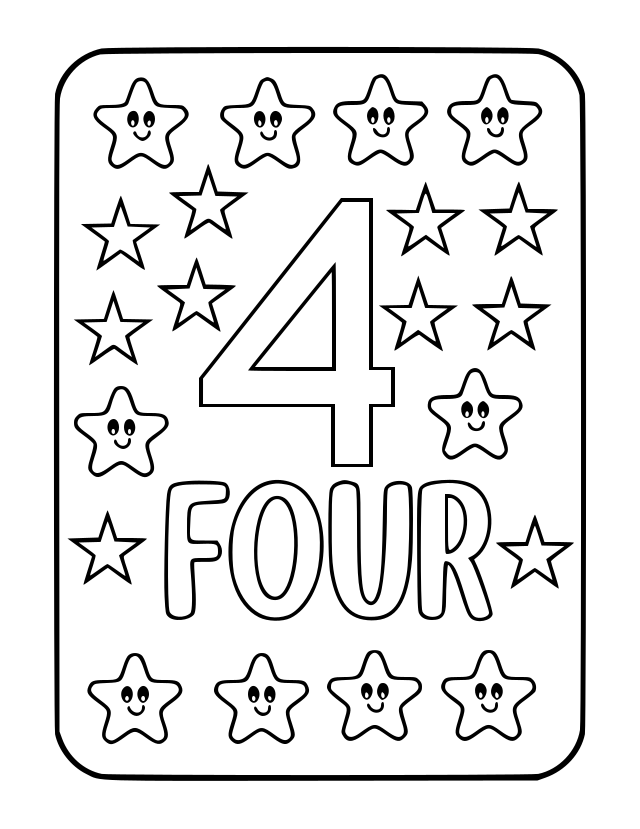
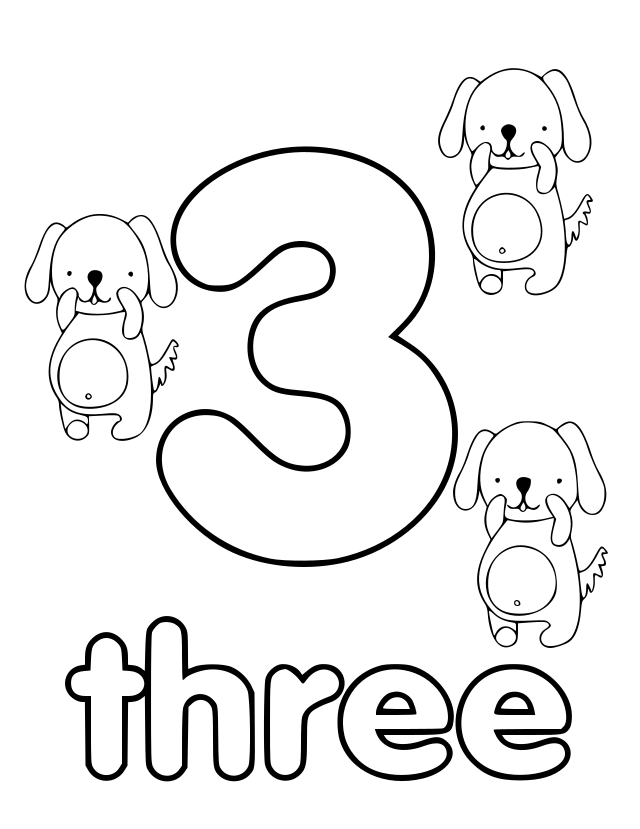
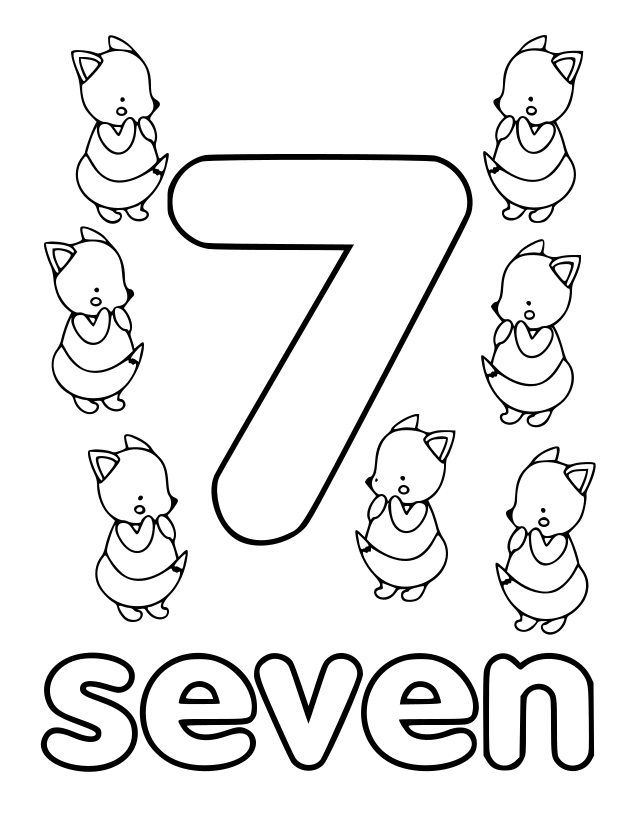
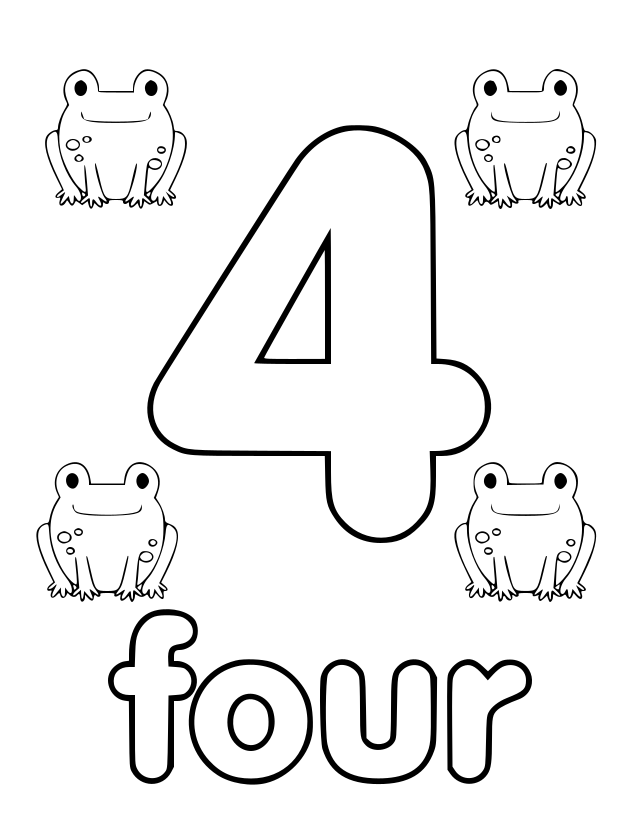
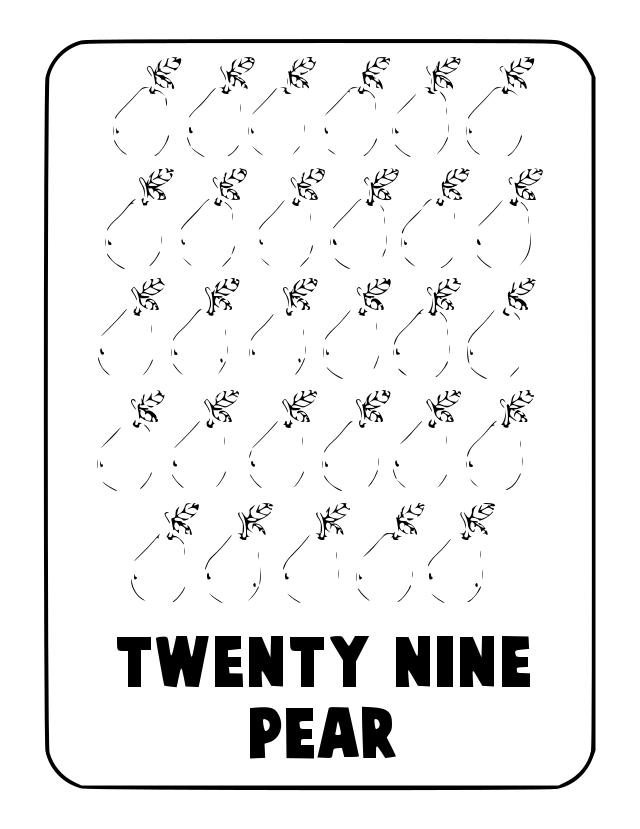
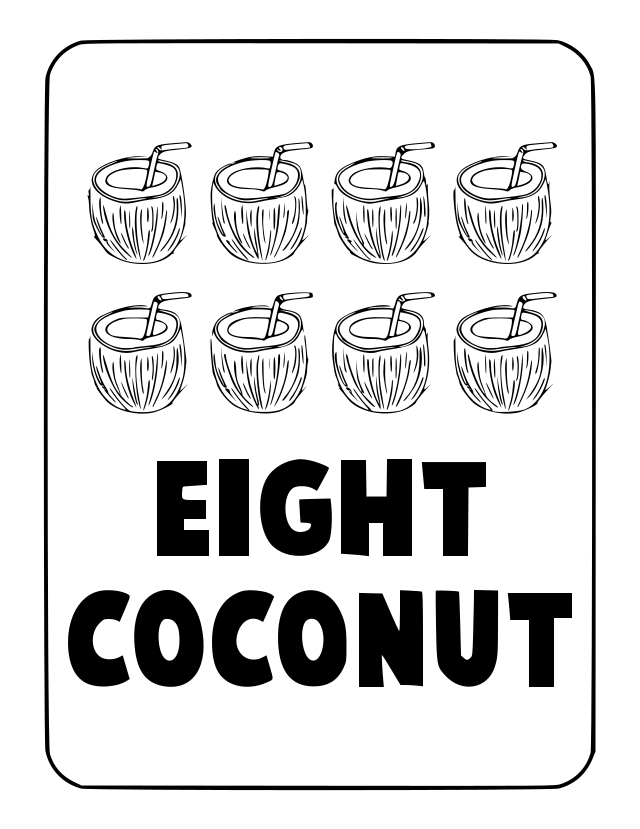
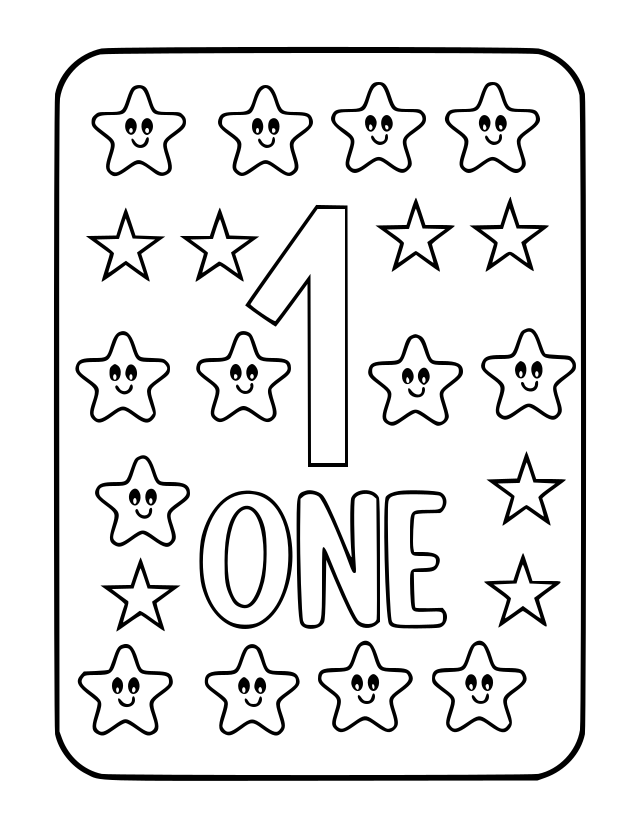
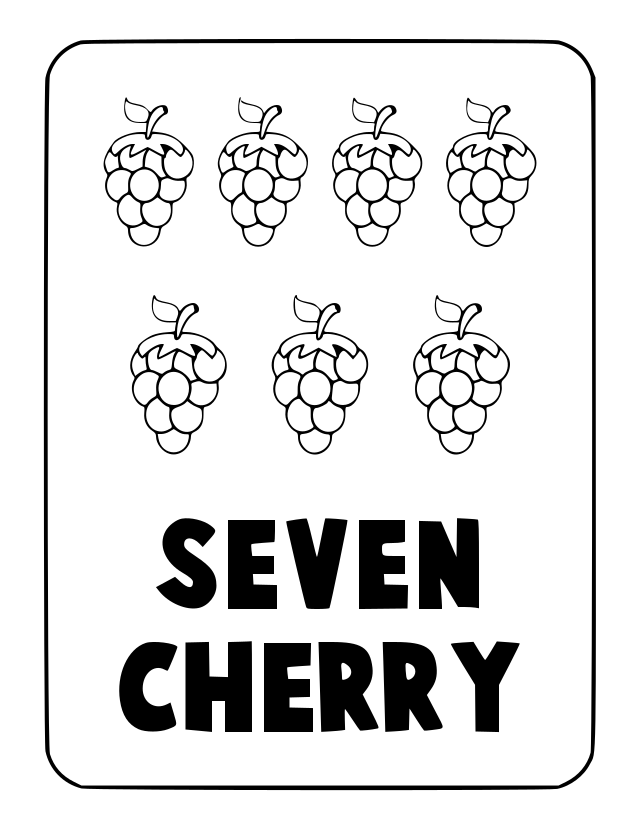
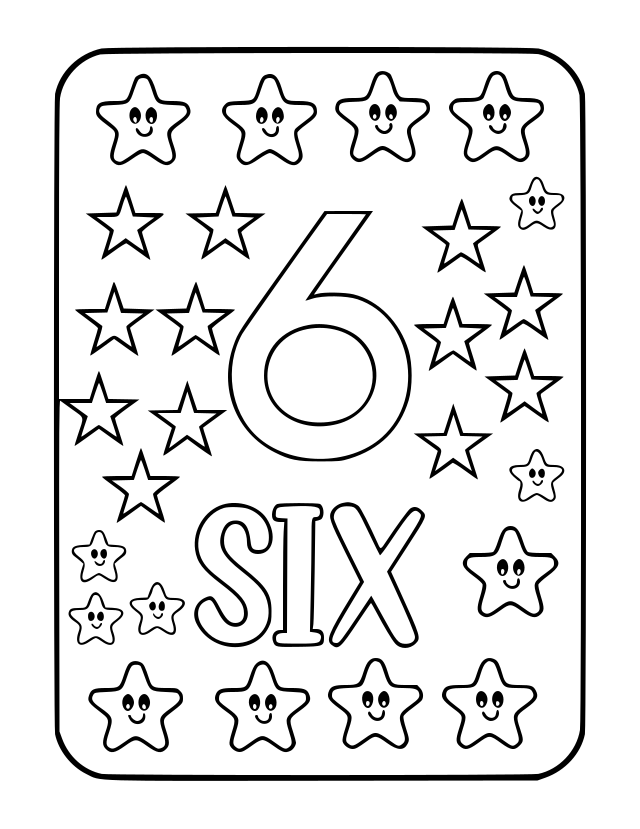
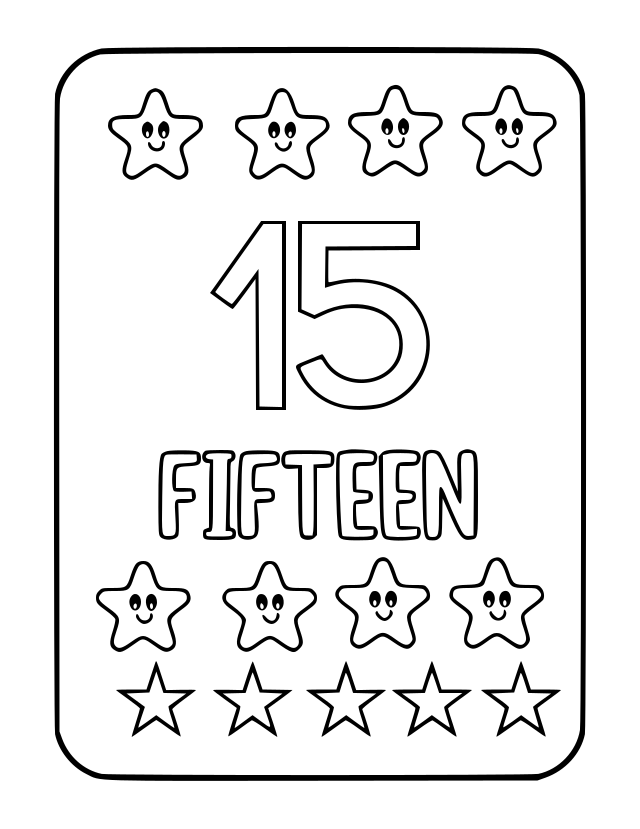
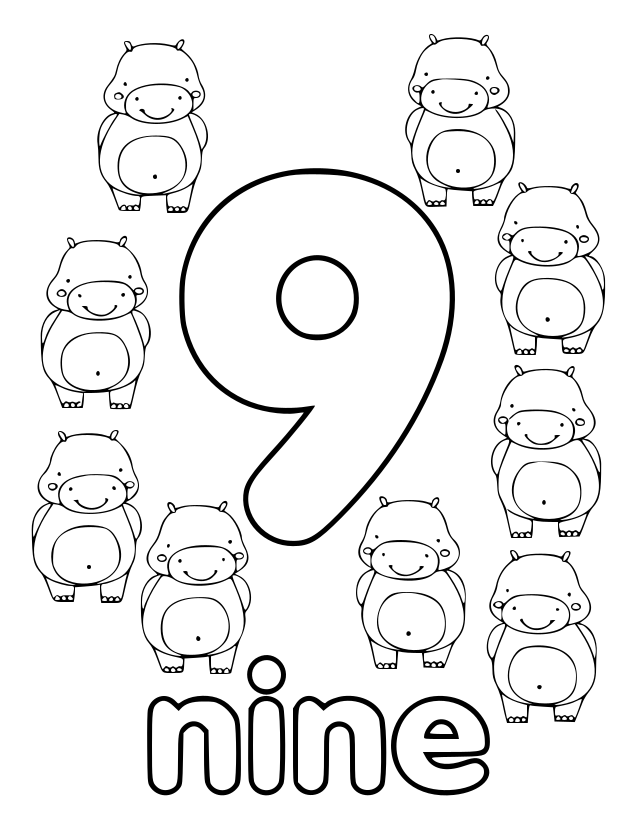
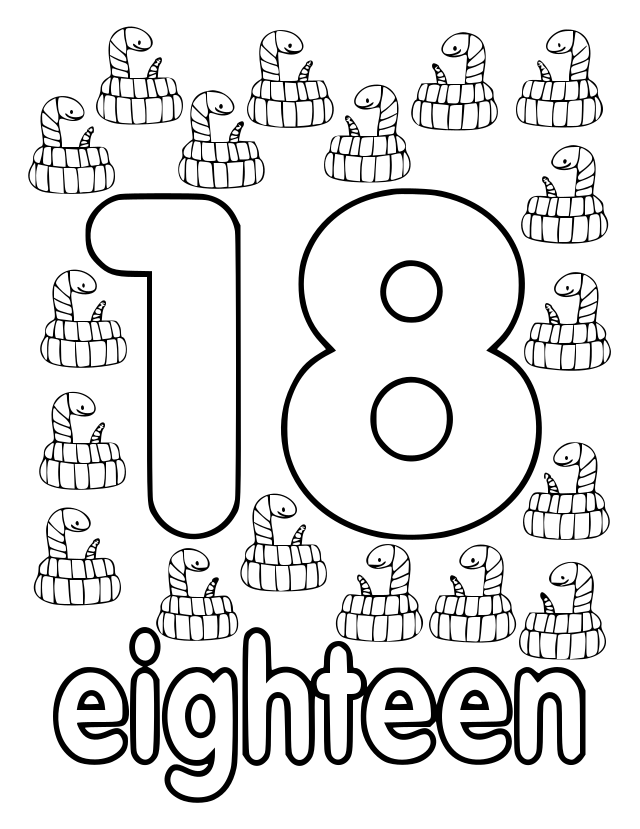
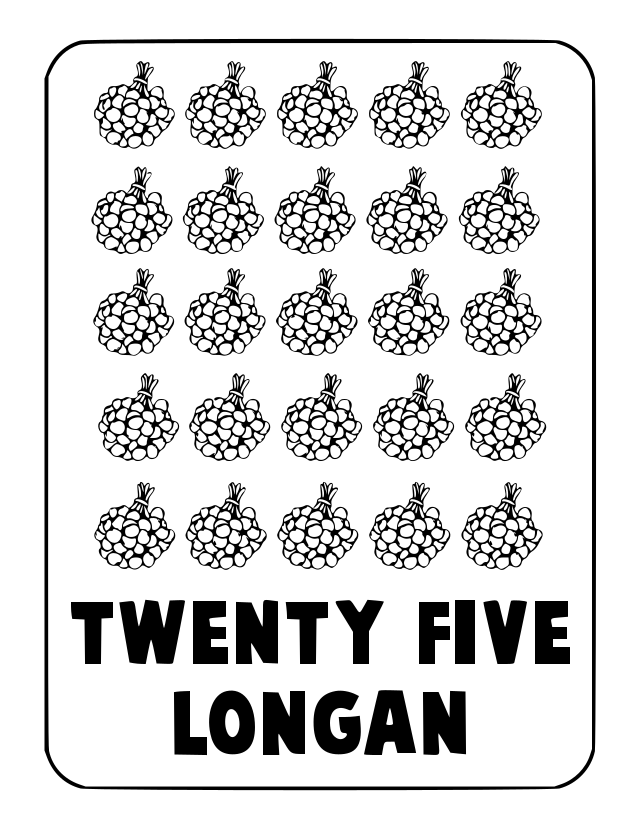
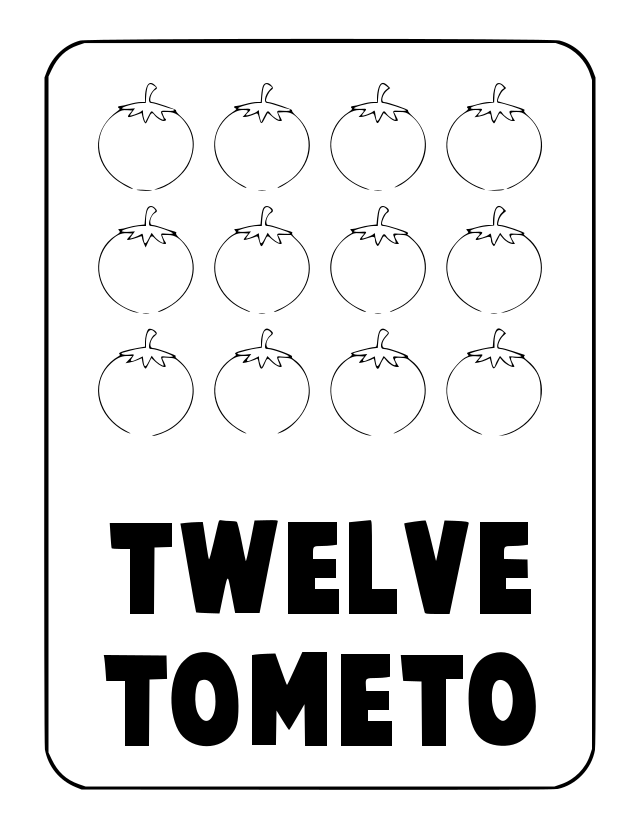
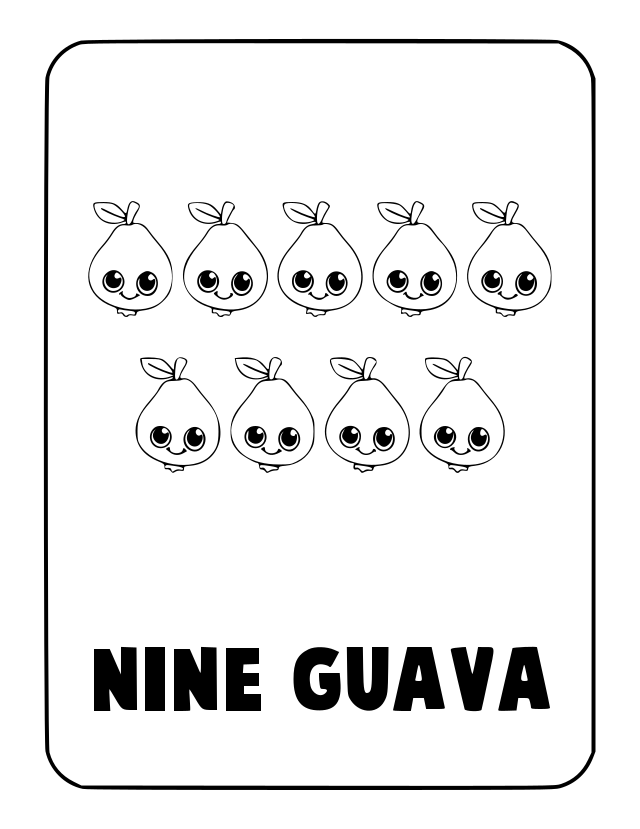
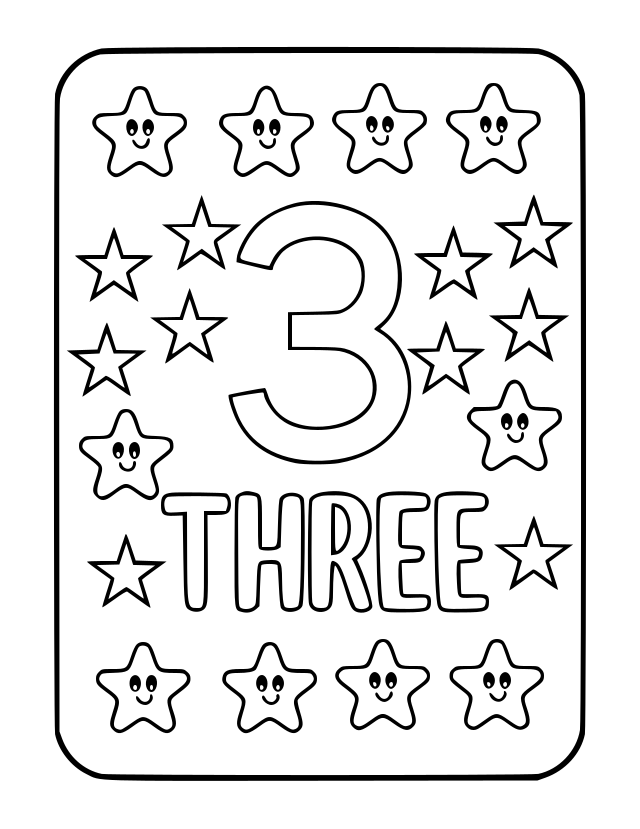
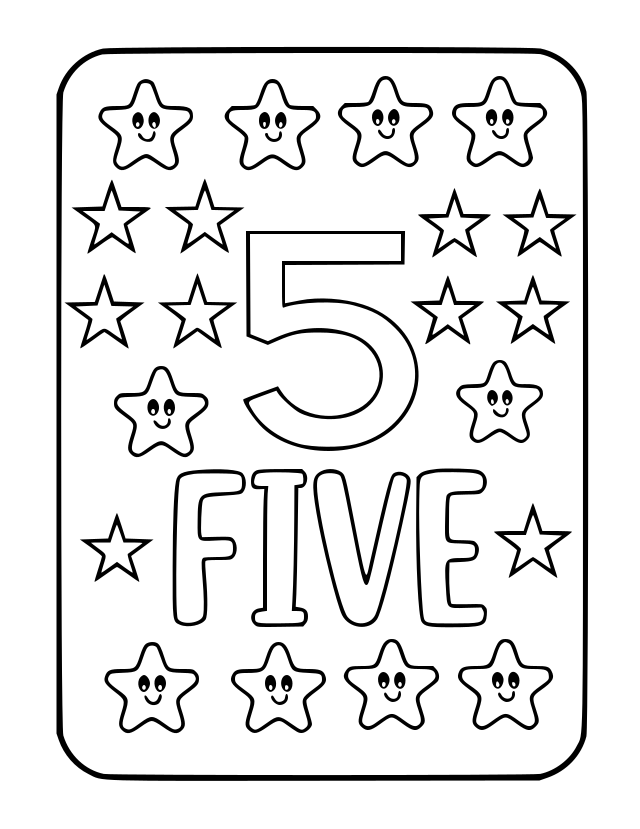
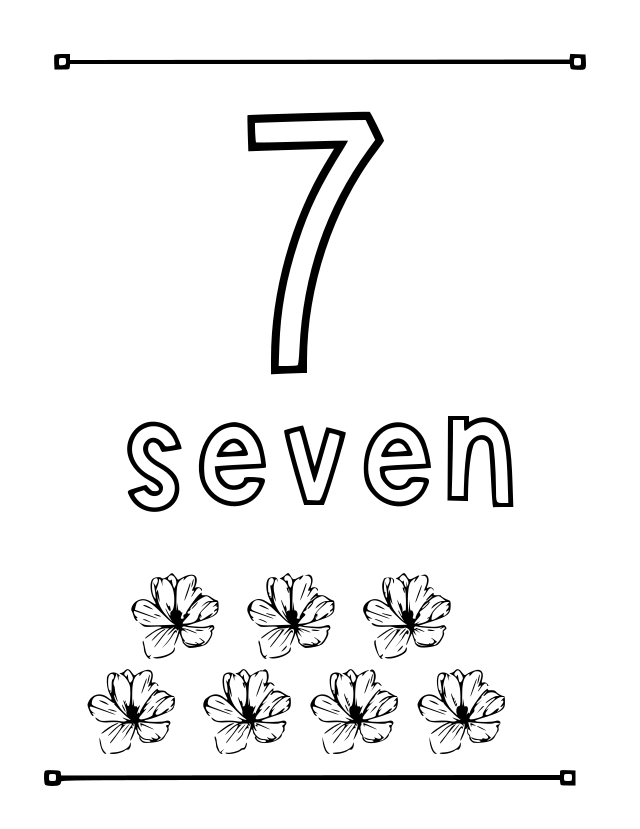
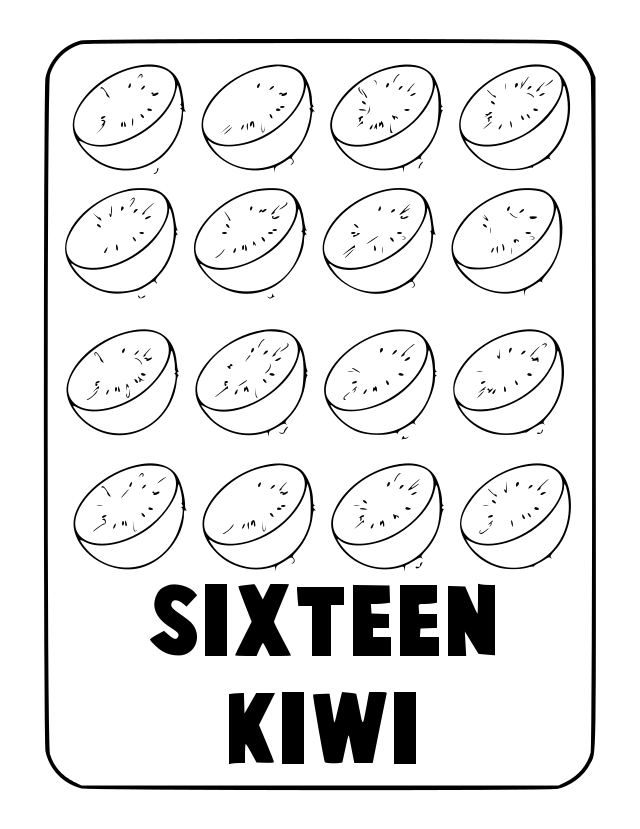
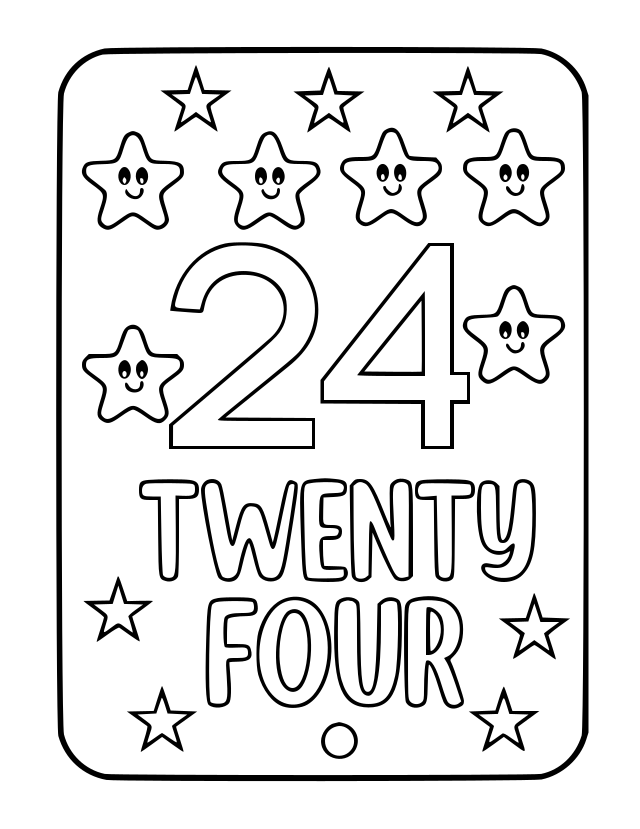
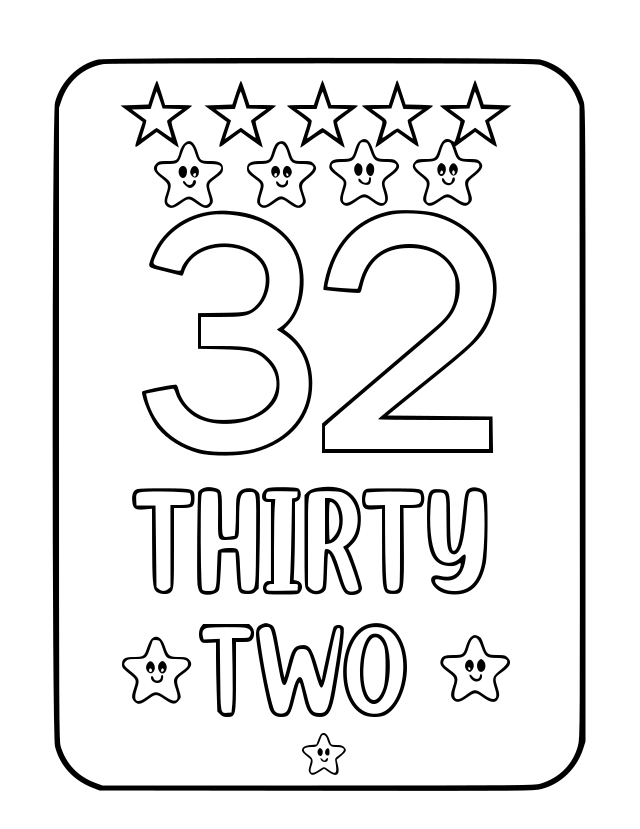
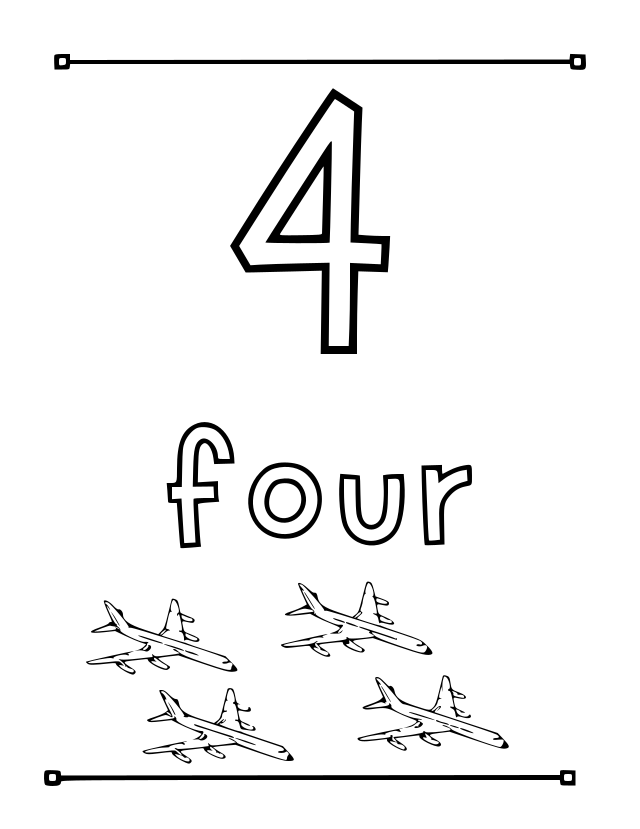
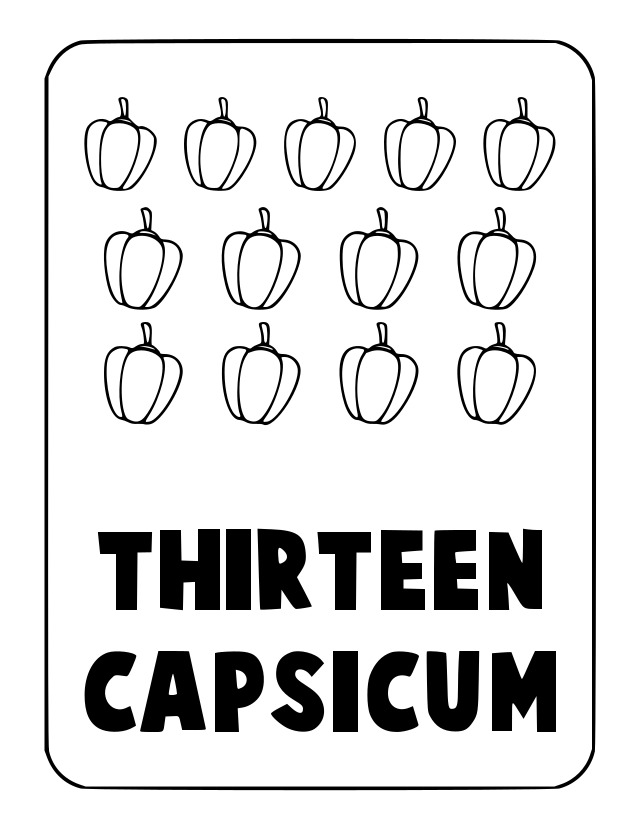
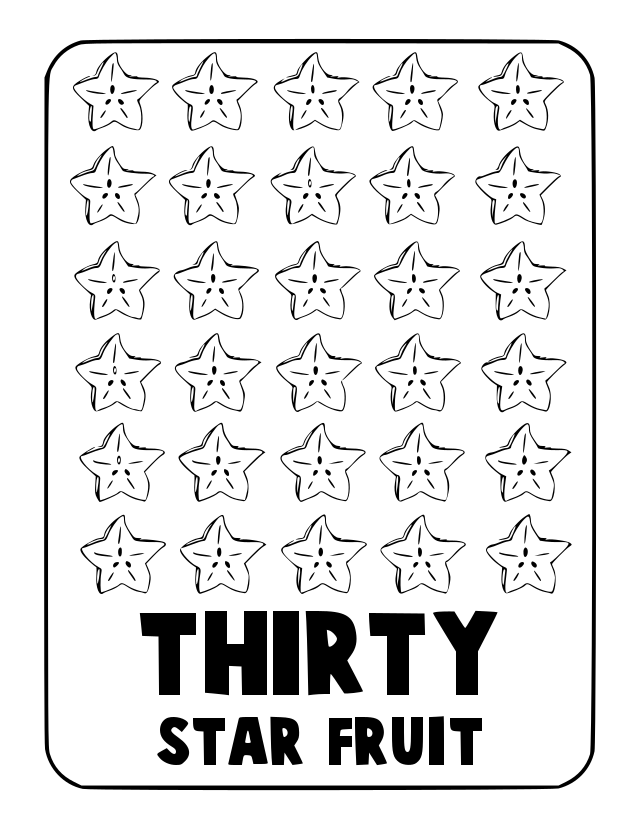
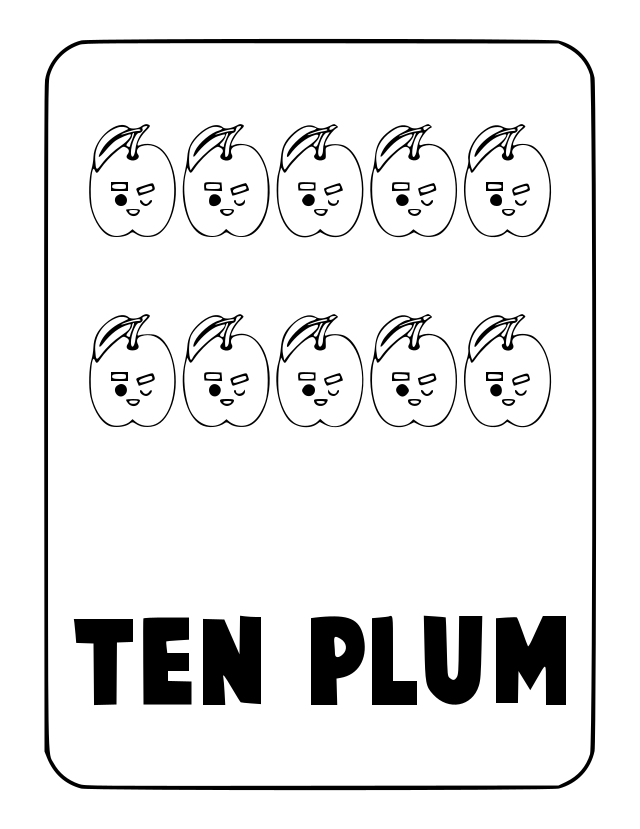
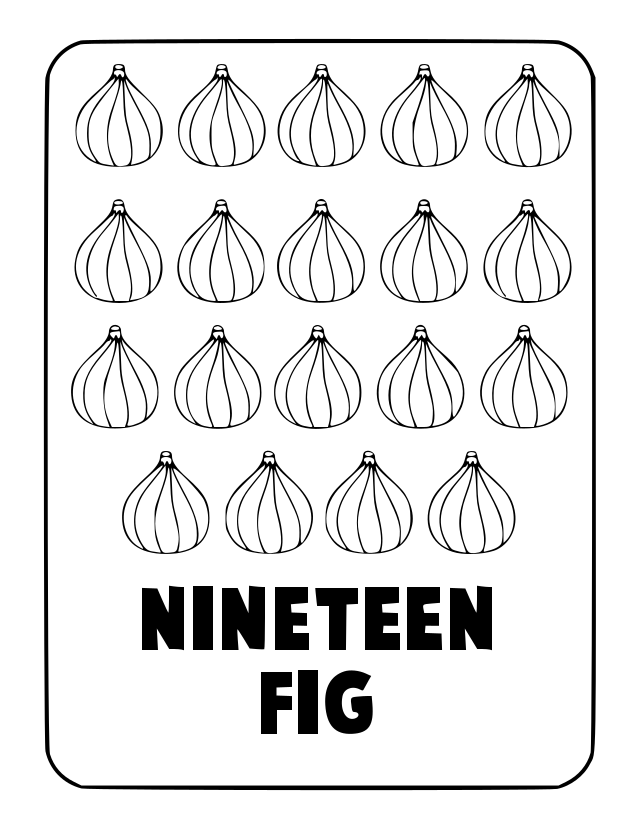
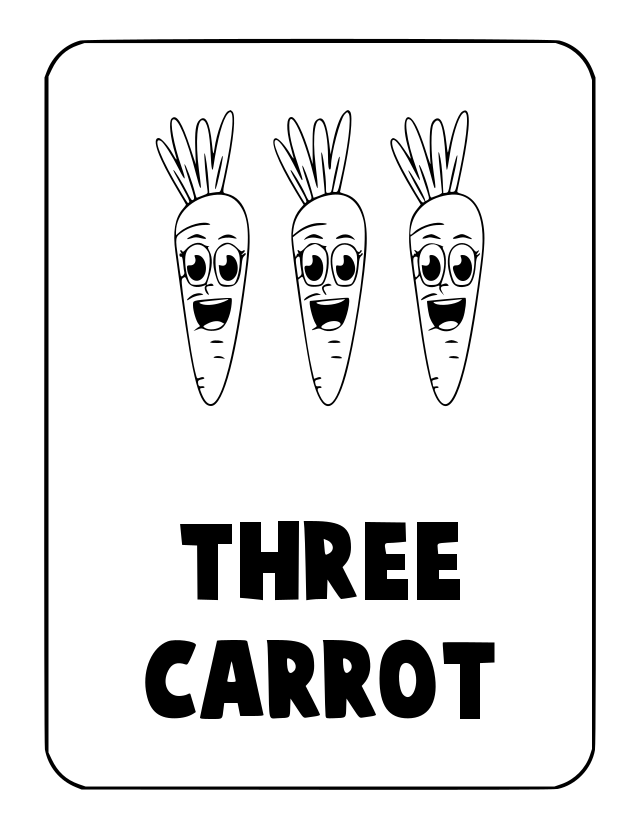
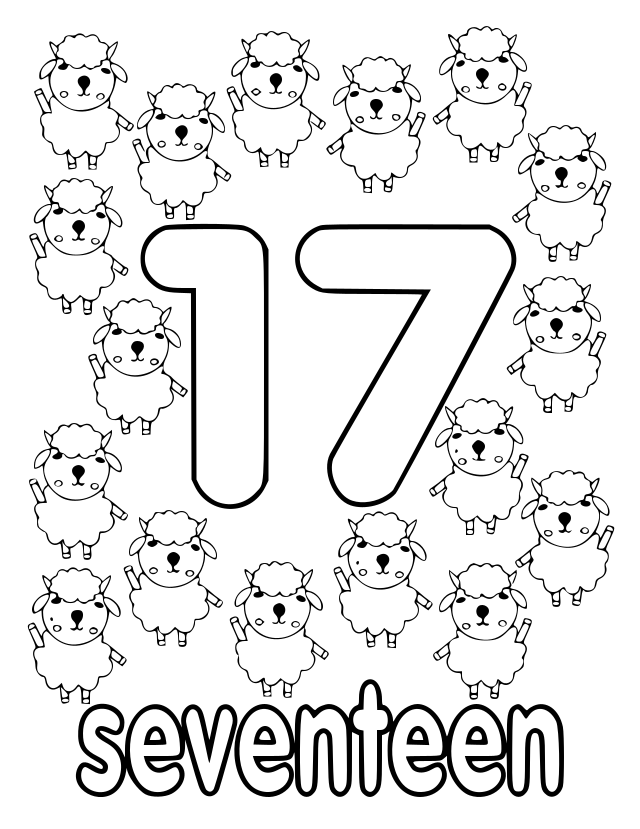
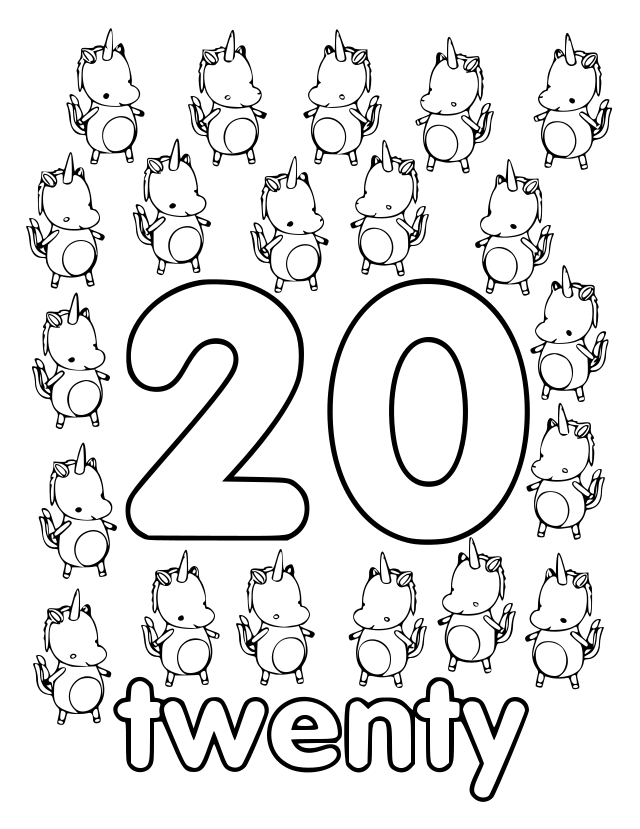
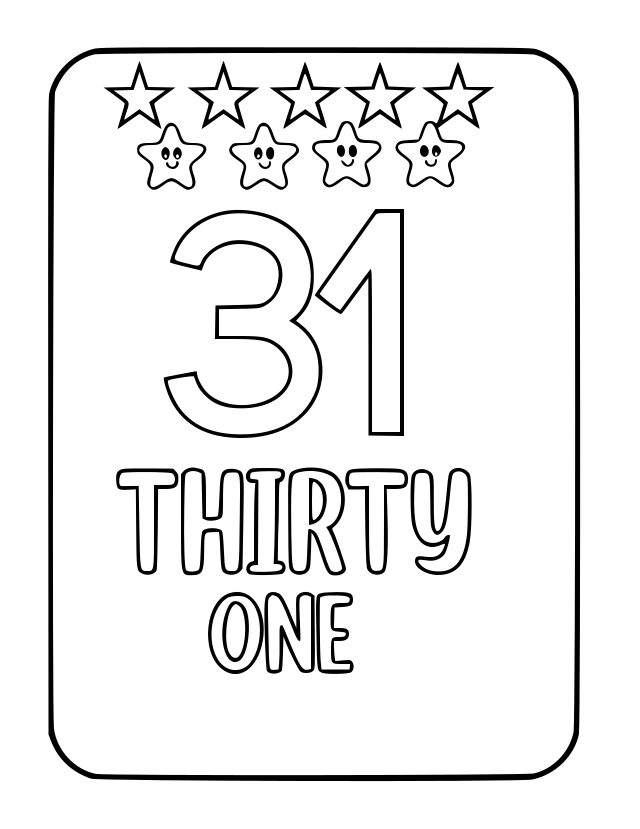
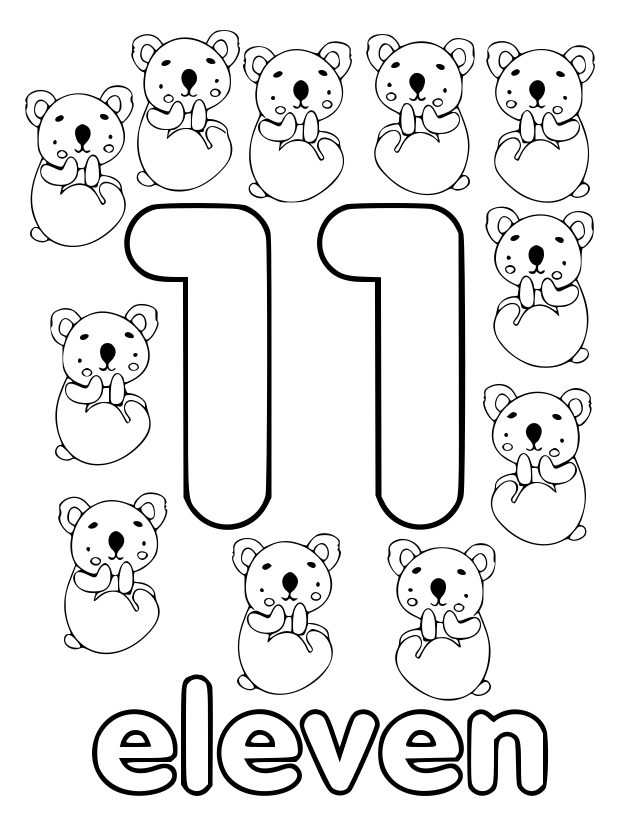
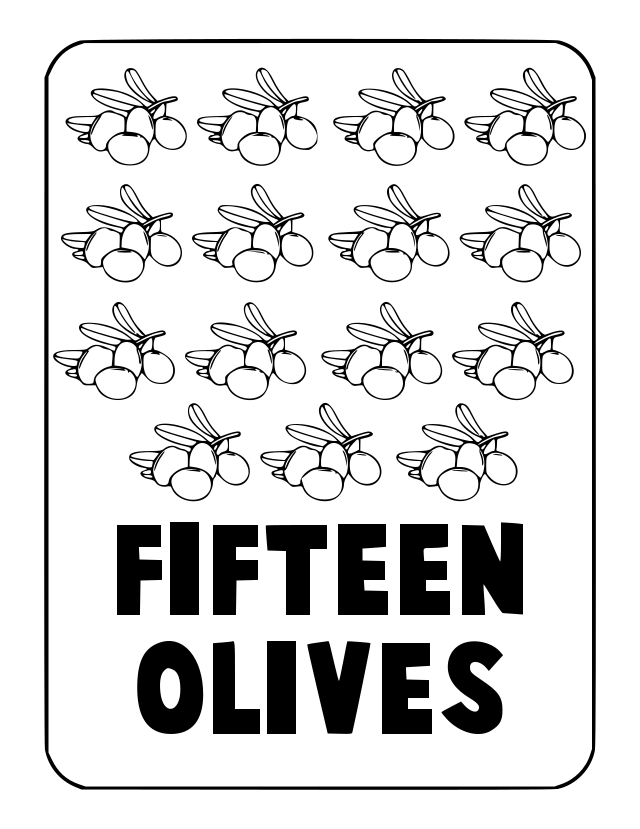
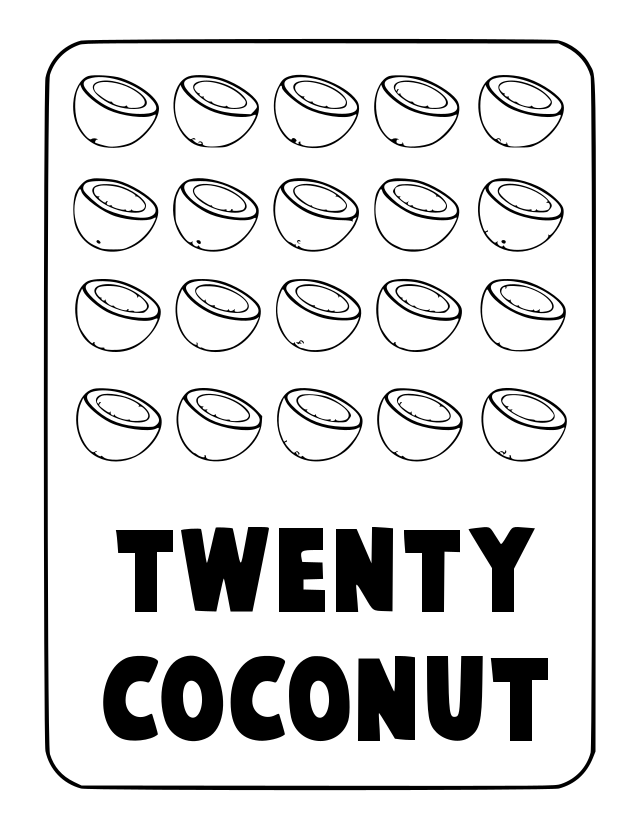
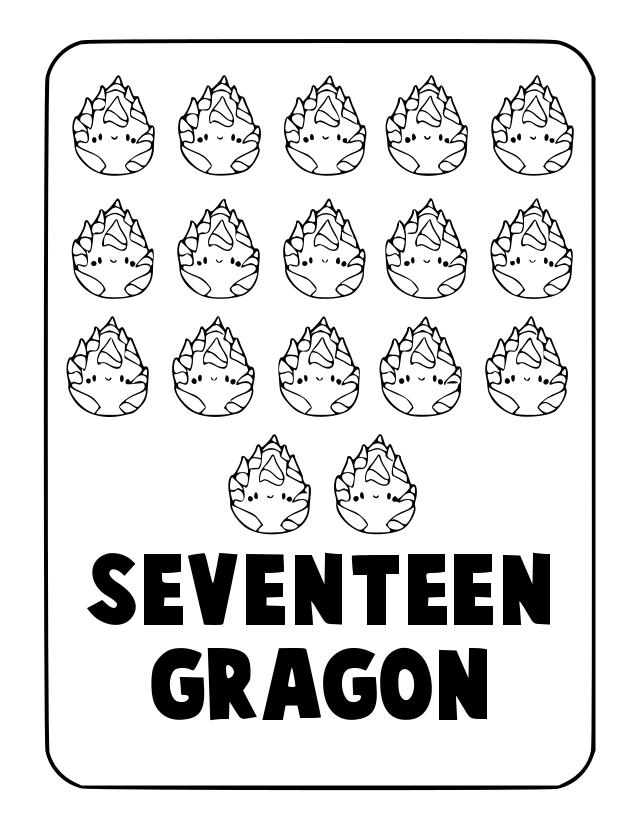
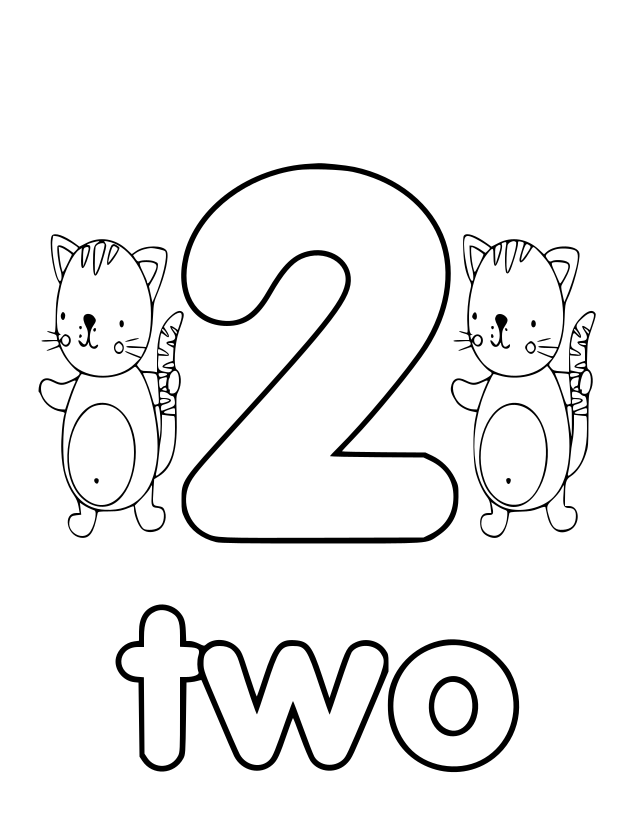
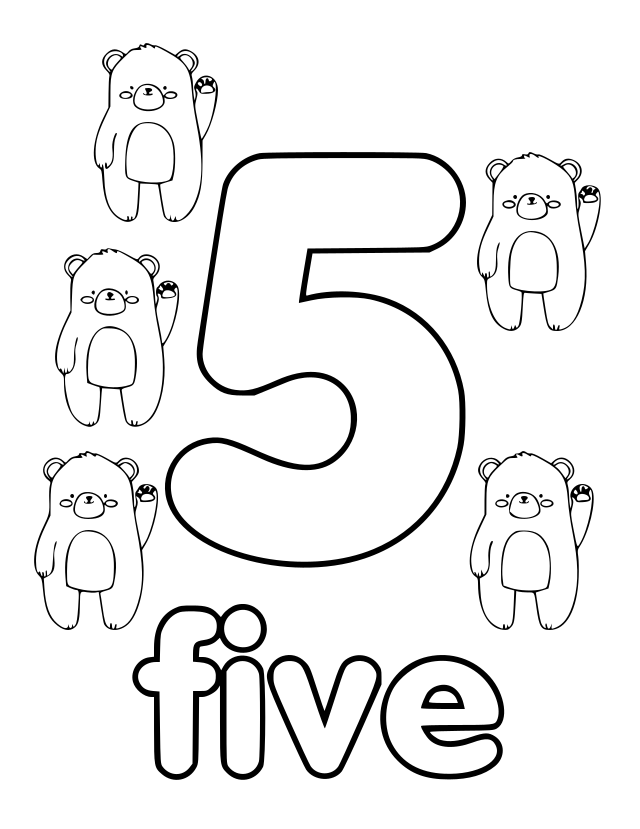
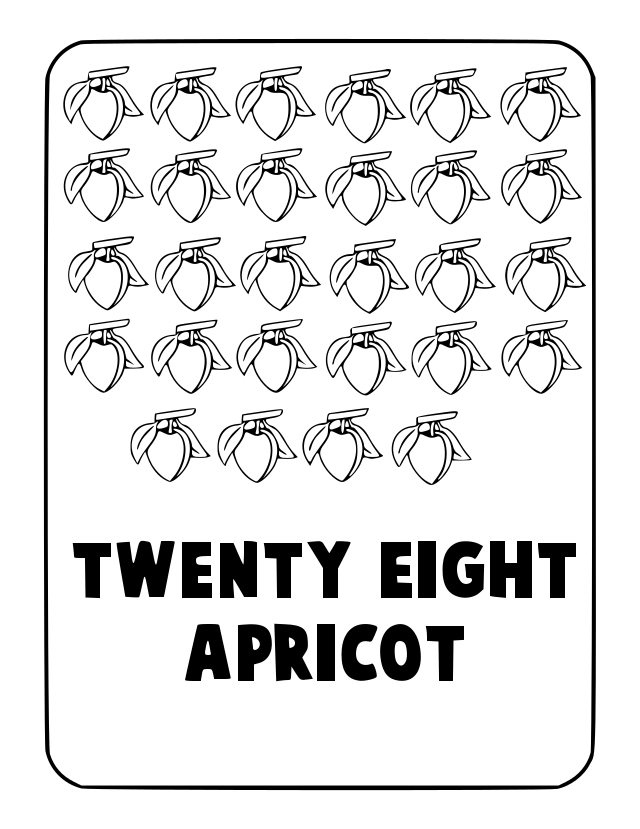
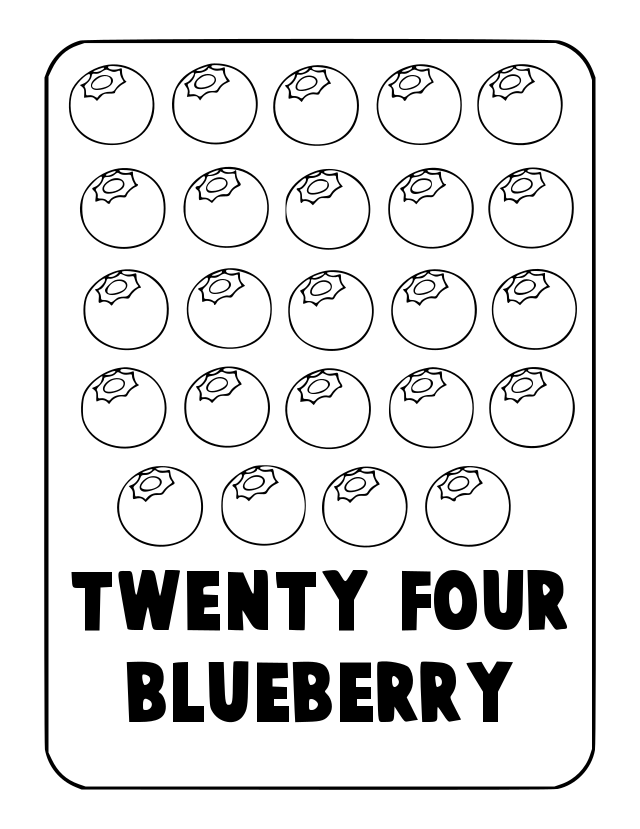
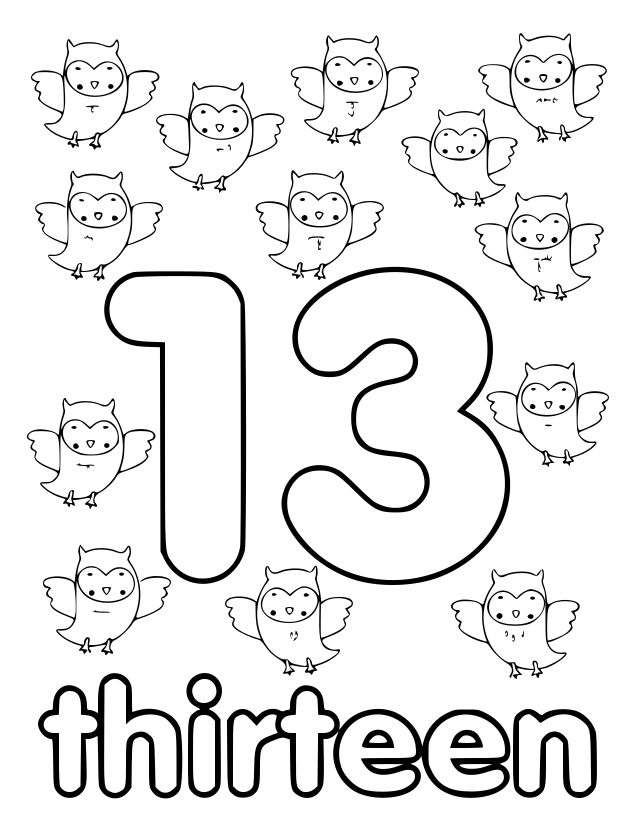
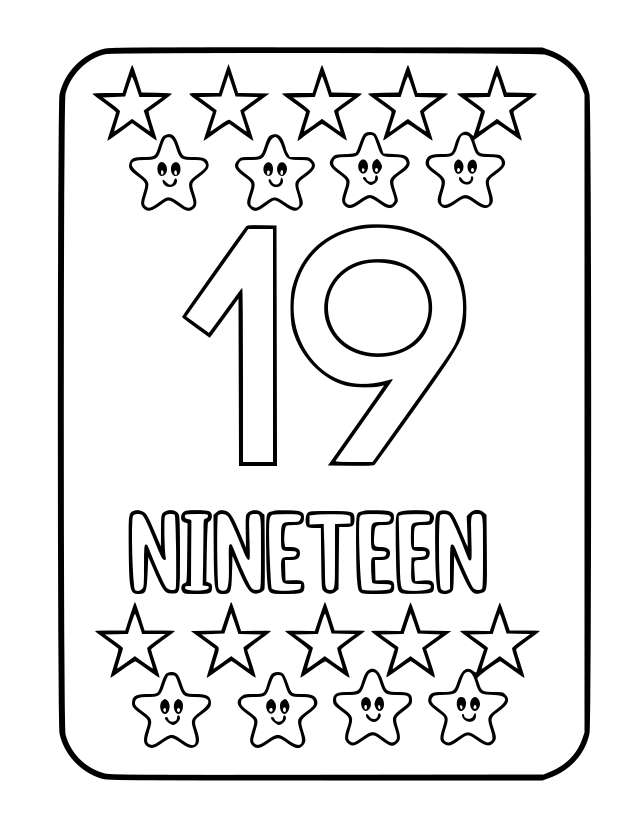
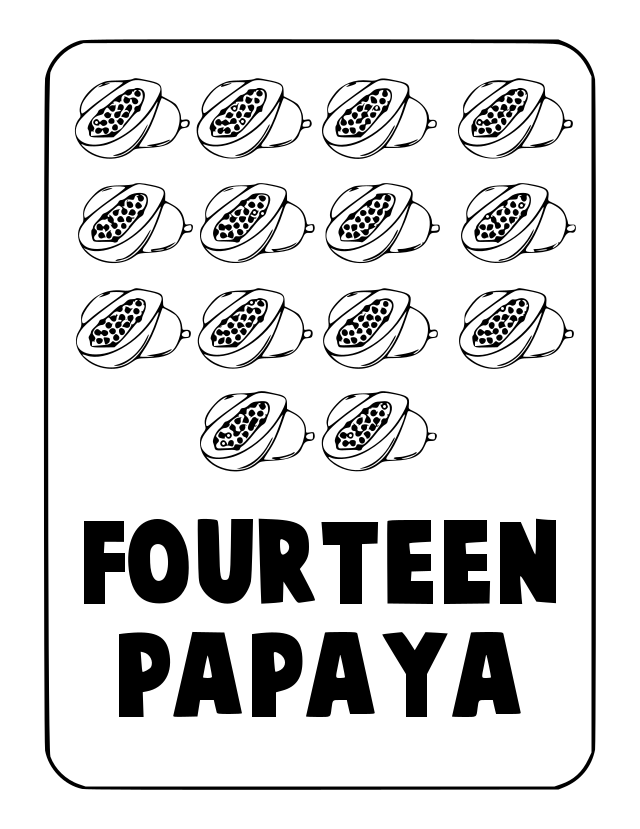
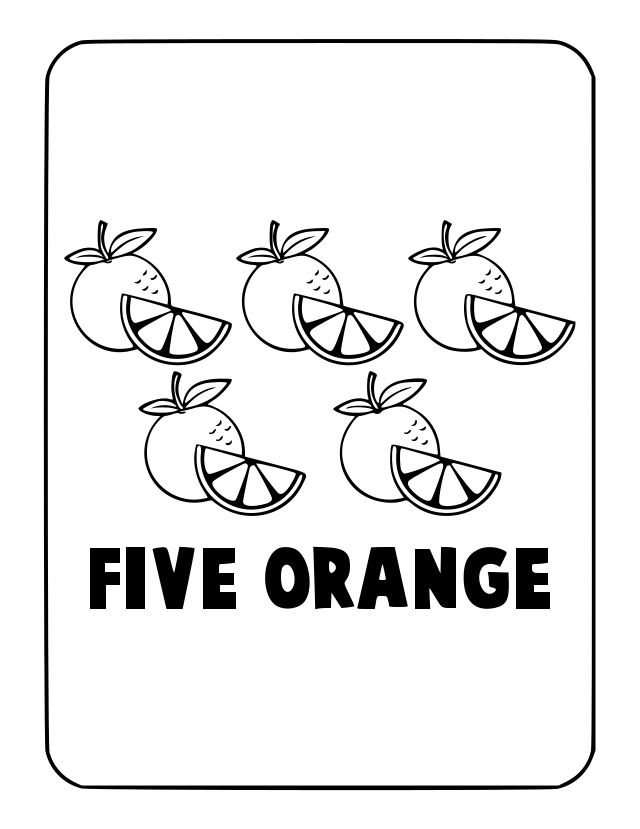
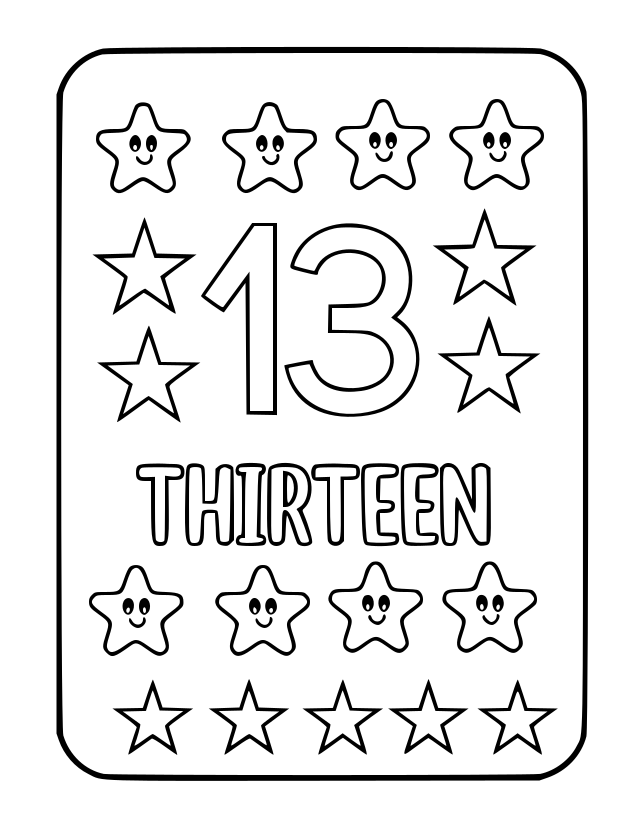
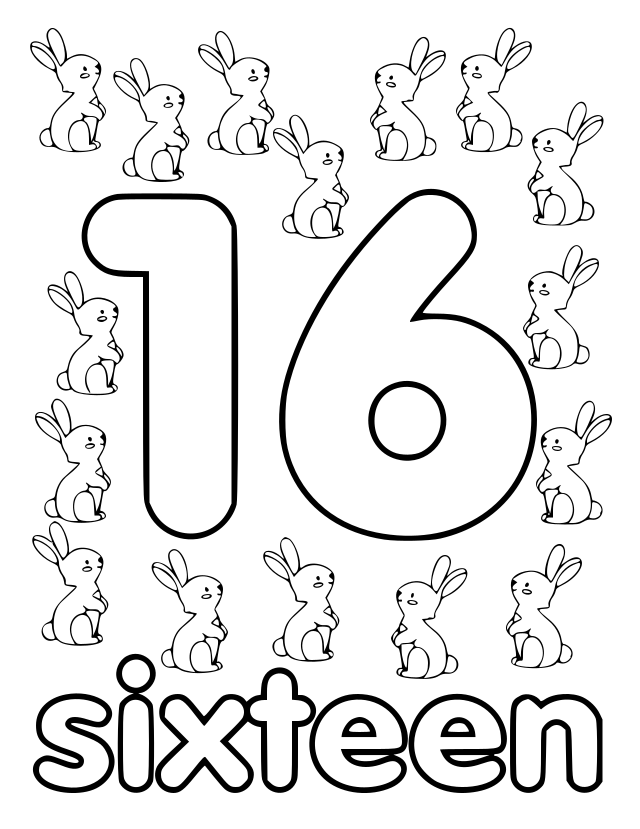
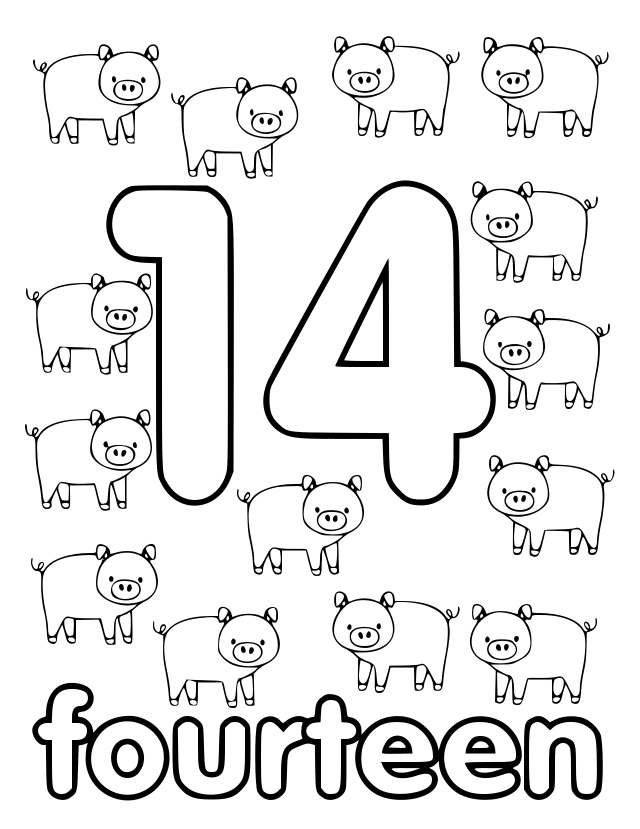
- Counting 1 to 30 — Numbers 1 to 30, each paired with the matching quantity of objects to count. Children color the numeral and discover its meaning simultaneously — a gentle introduction to number-quantity correspondence, one of the foundations of early numeracy.
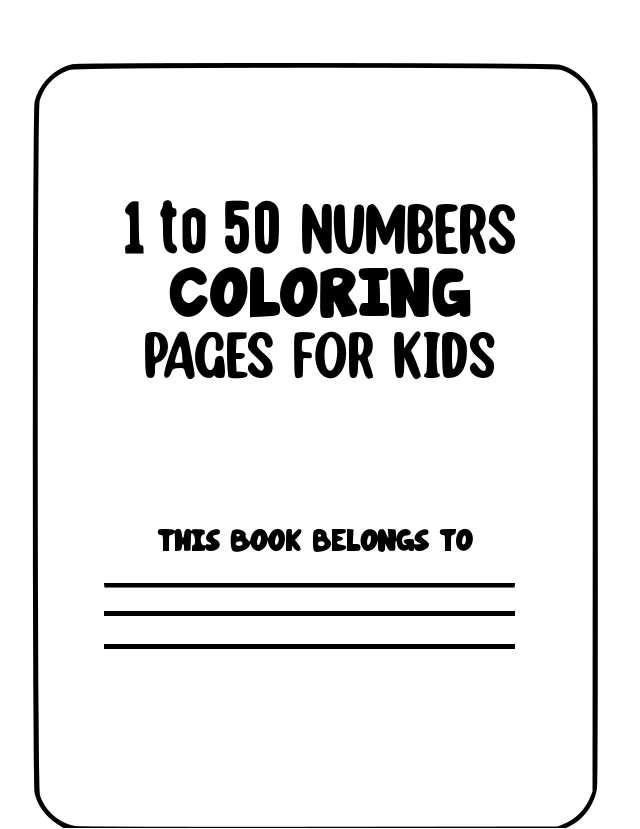
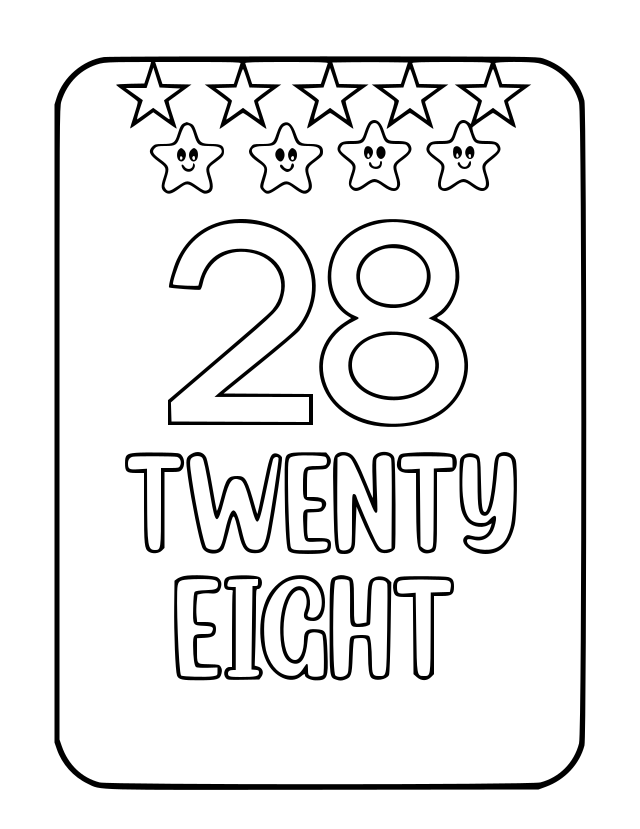
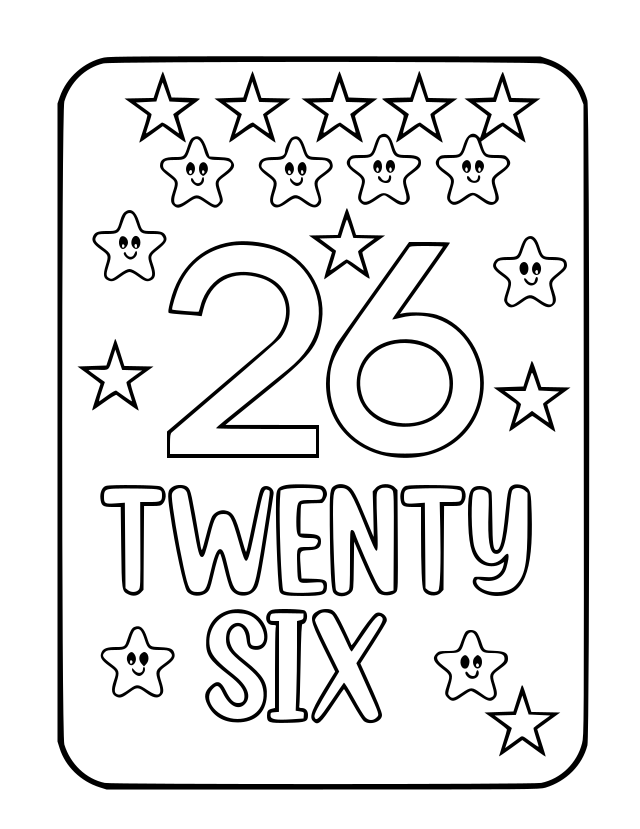
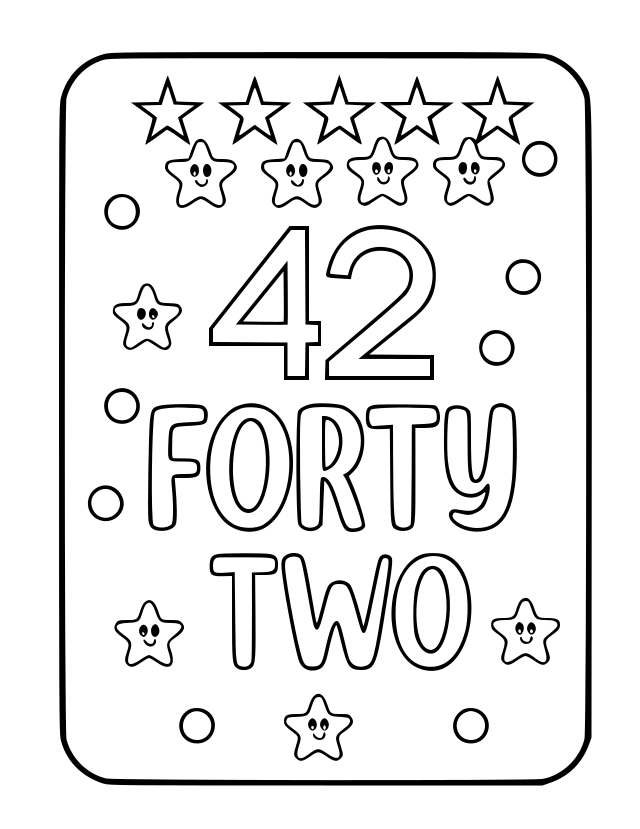
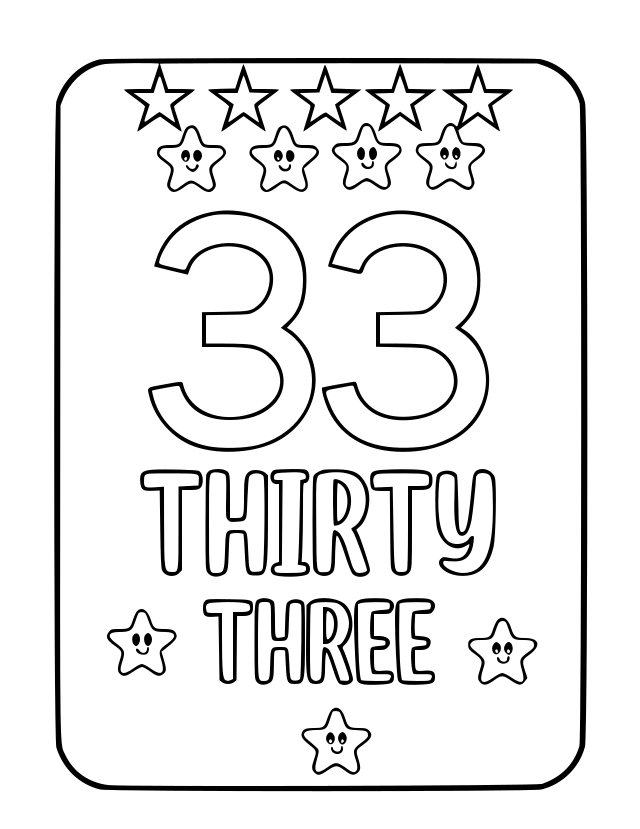
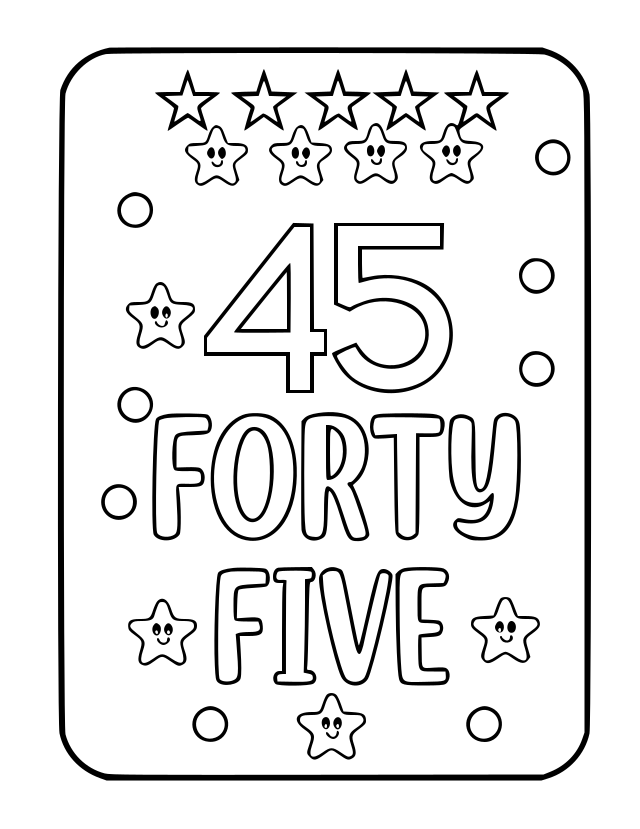
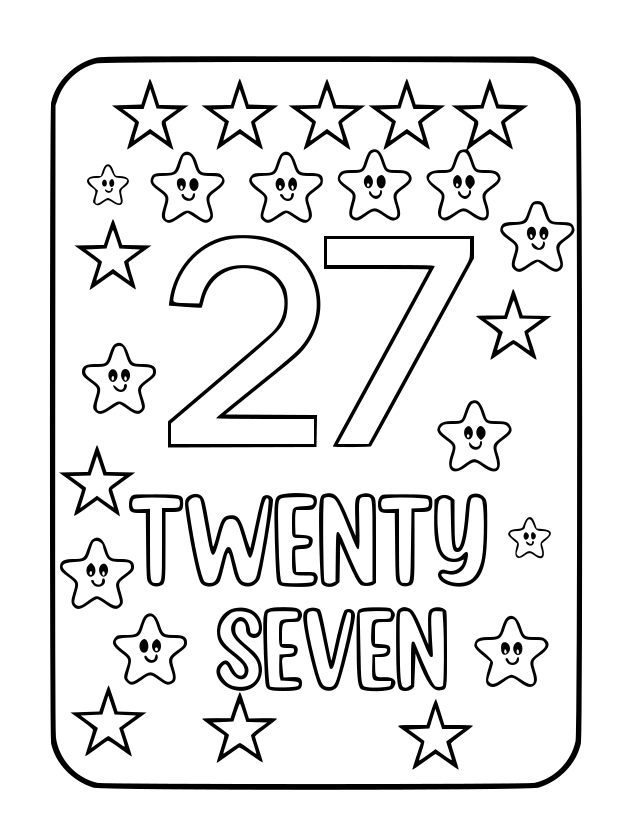
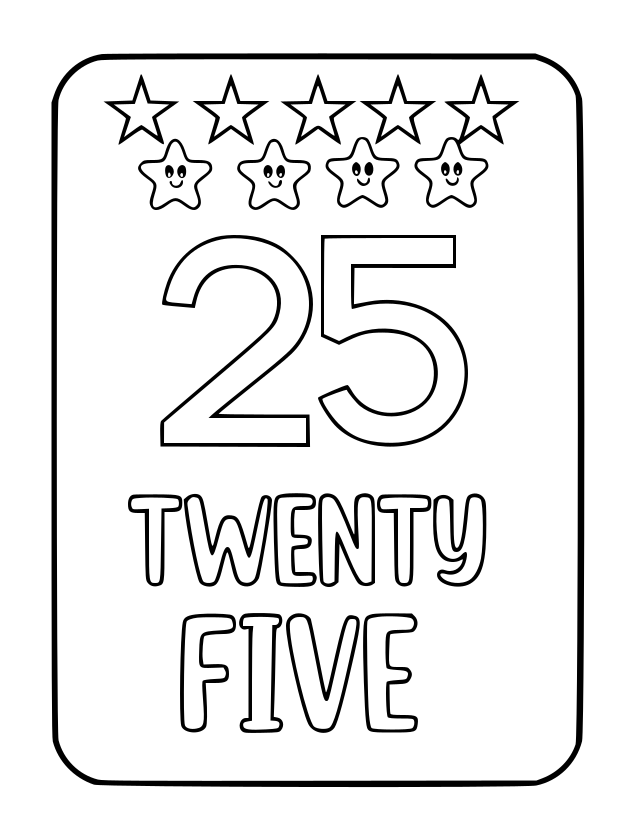
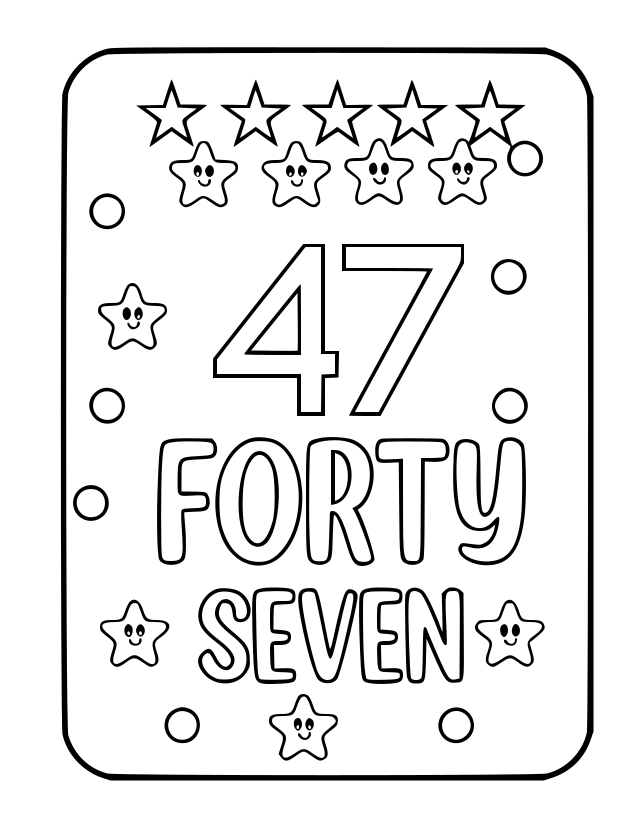
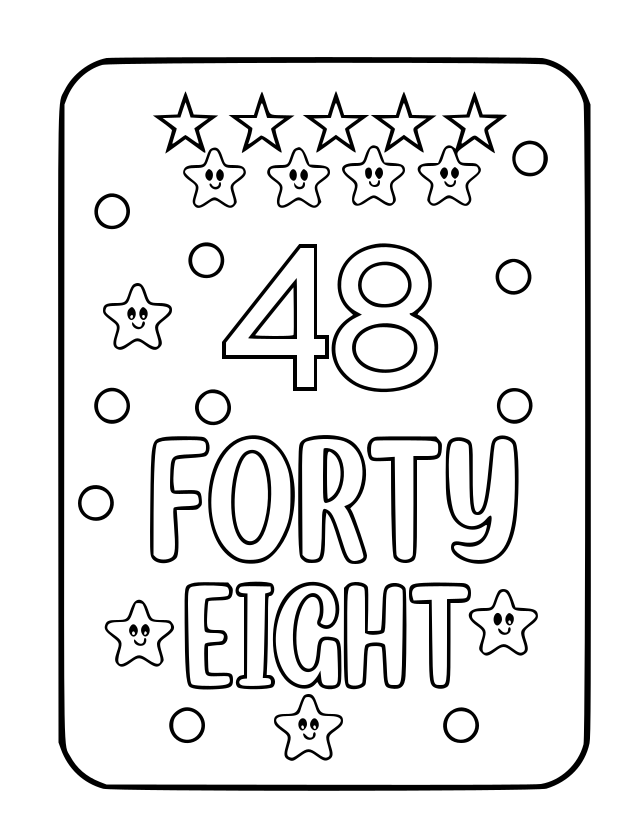
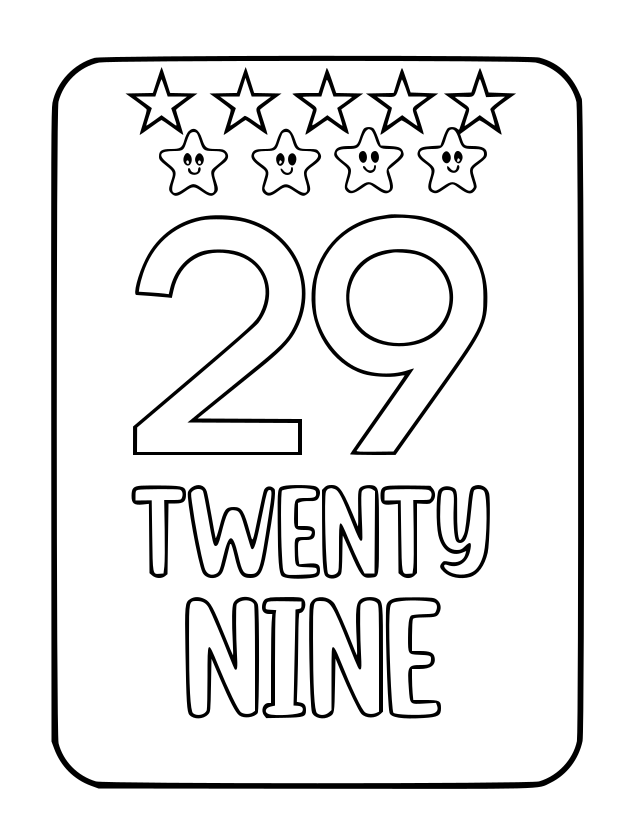
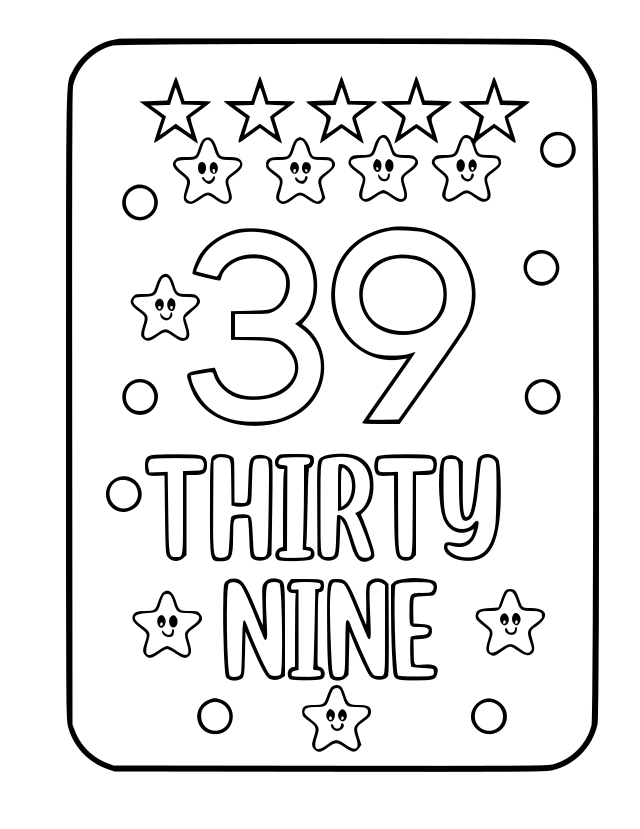
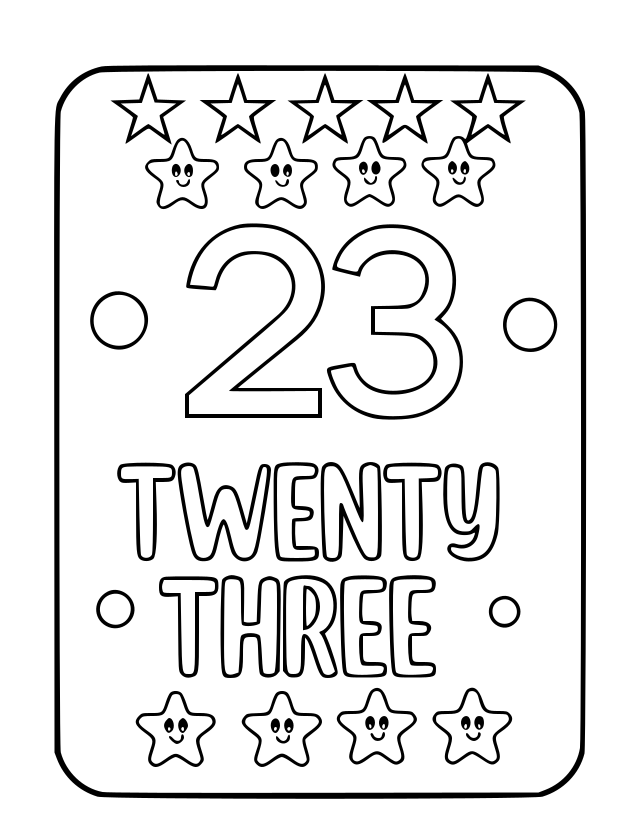
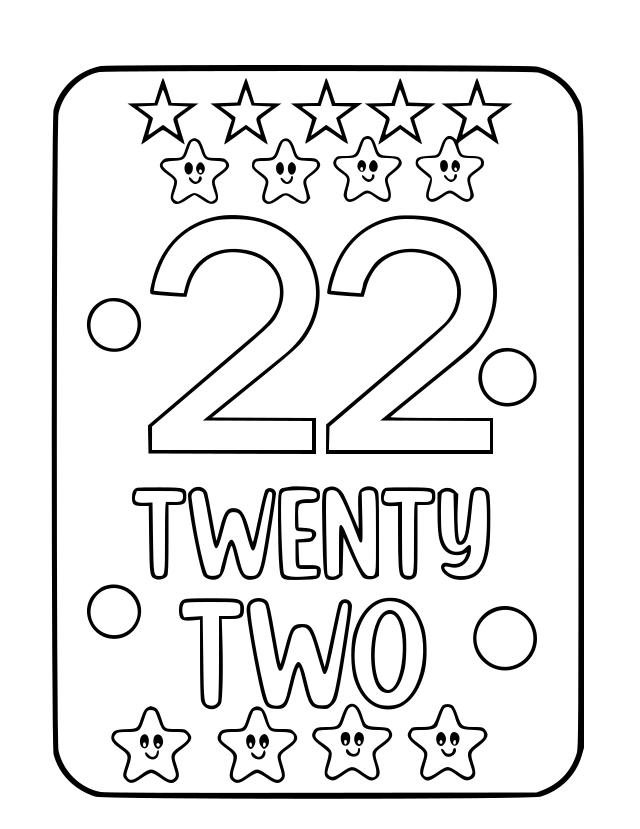
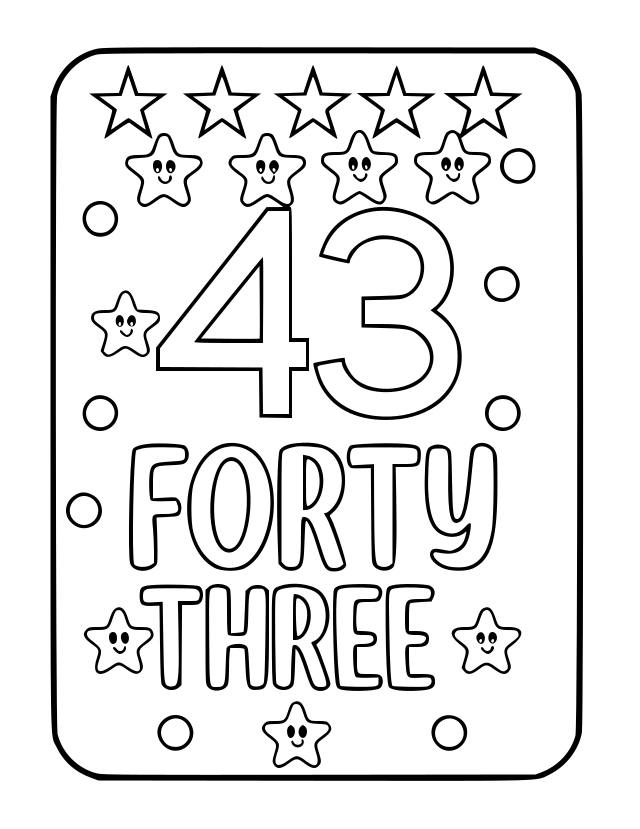
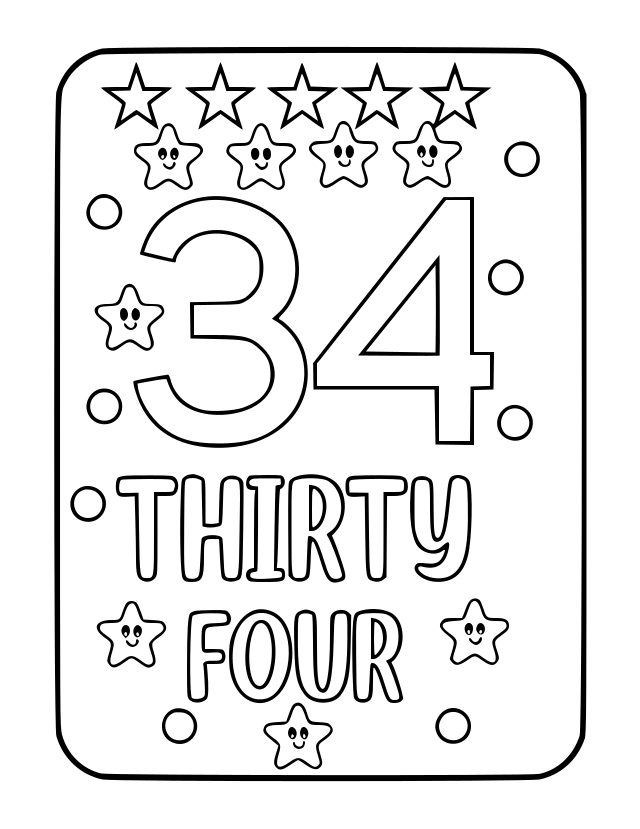
- Numbers 1 to 50 — Number recognition pages from 1 to 50 for older learners ready to move beyond the basics. These pages extend number familiarity well into double figures and prepare children for early addition and mental arithmetic.
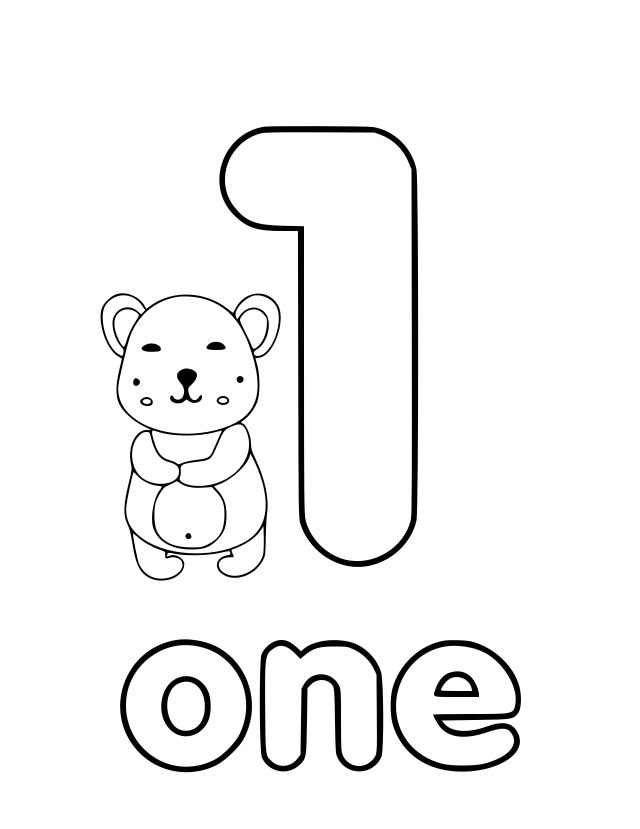
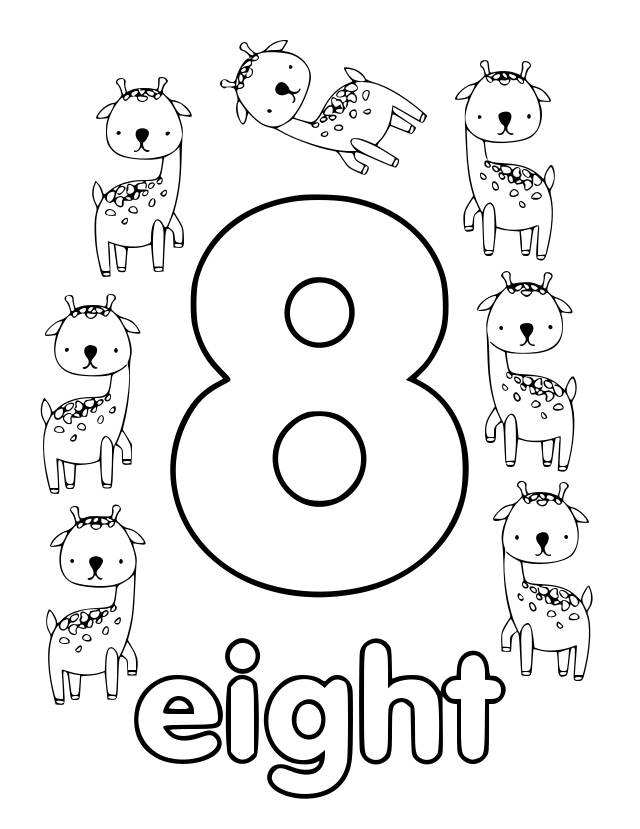
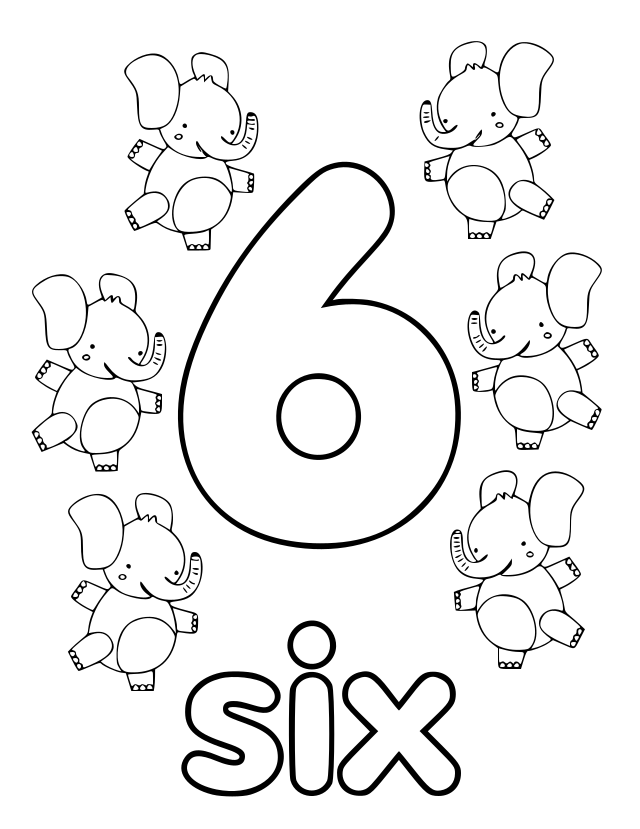
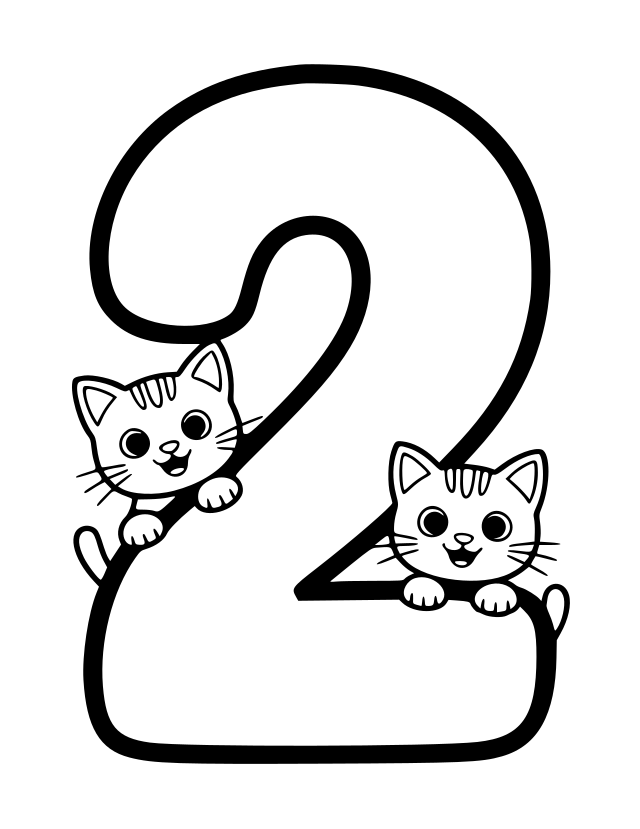
- Animal Numbers — Each digit transformed into or paired with a friendly animal. A lion-shaped 1, a swan-shaped 2, a butterfly-shaped 3 — the animal connection gives each number a memorable visual hook and turns a learning activity into a coloring adventure.
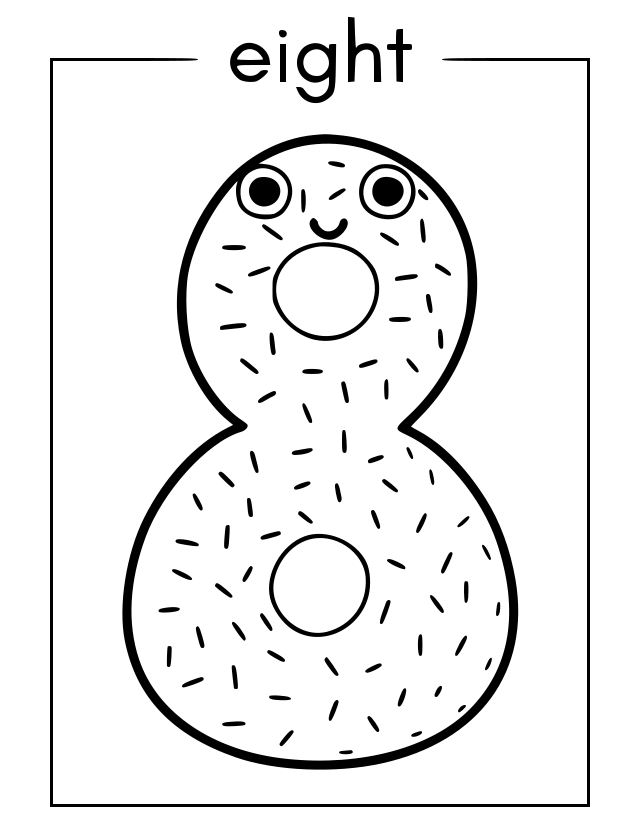
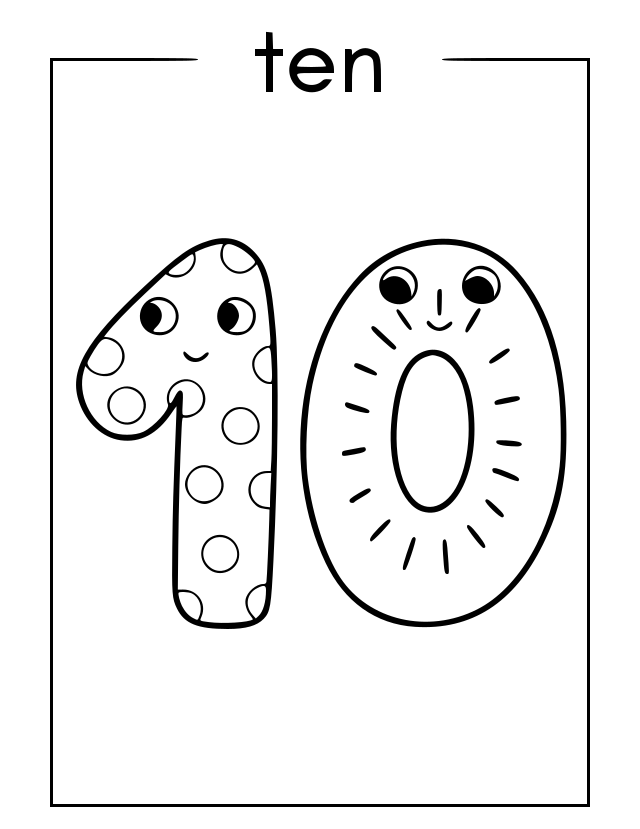
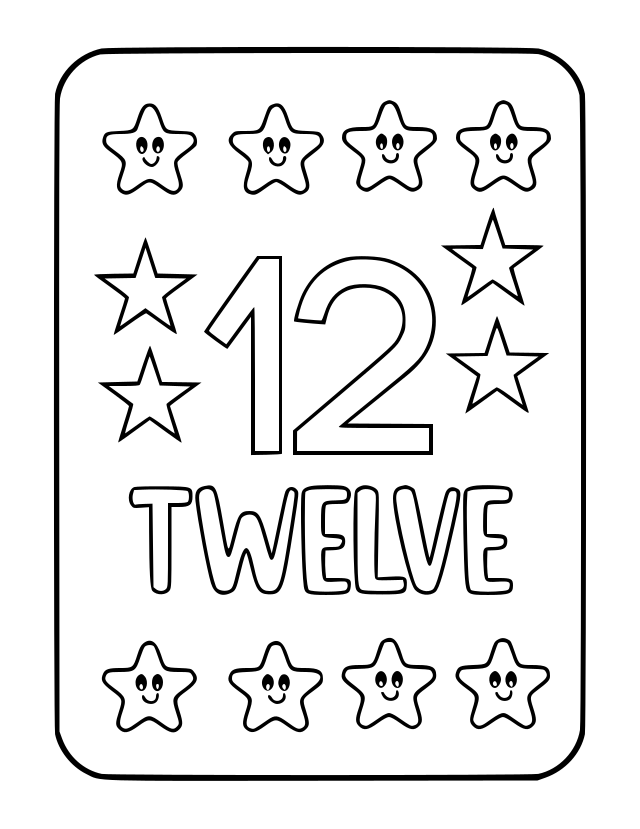
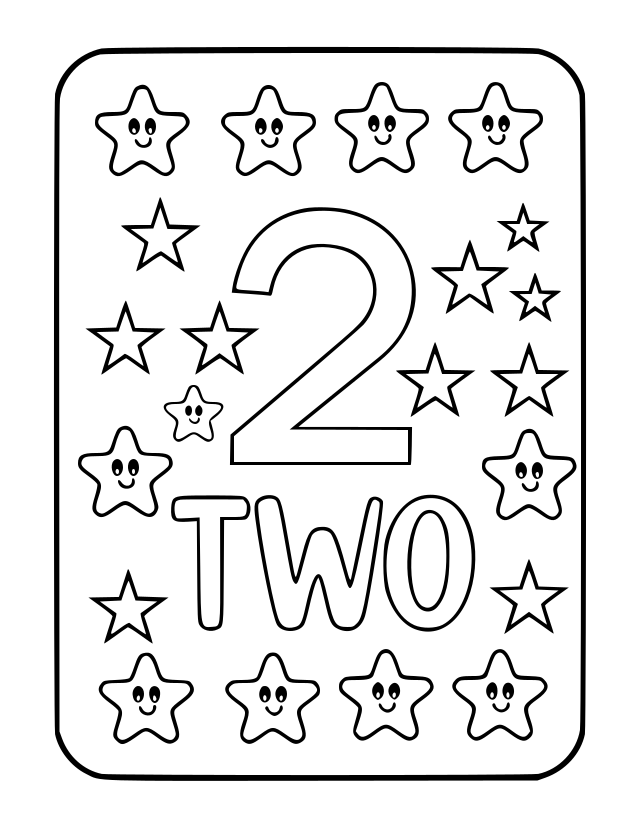
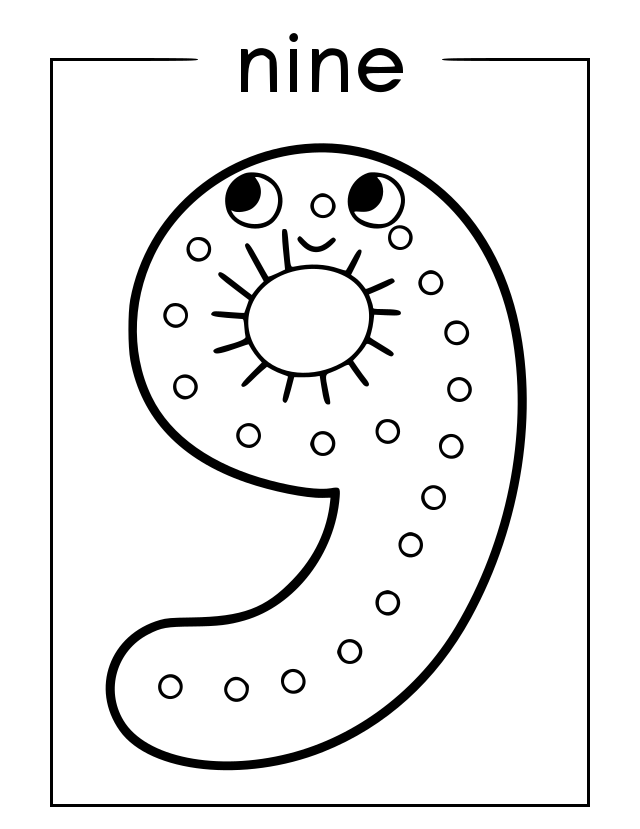
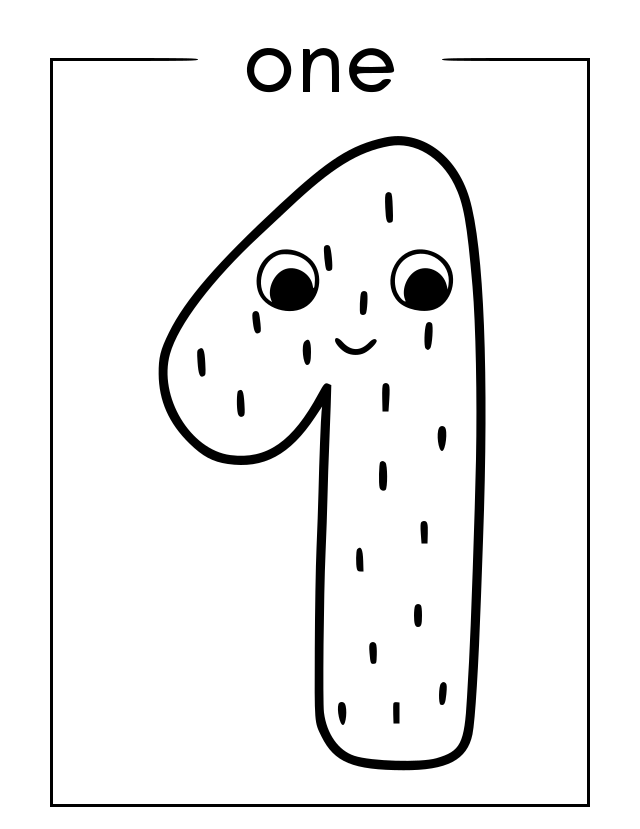
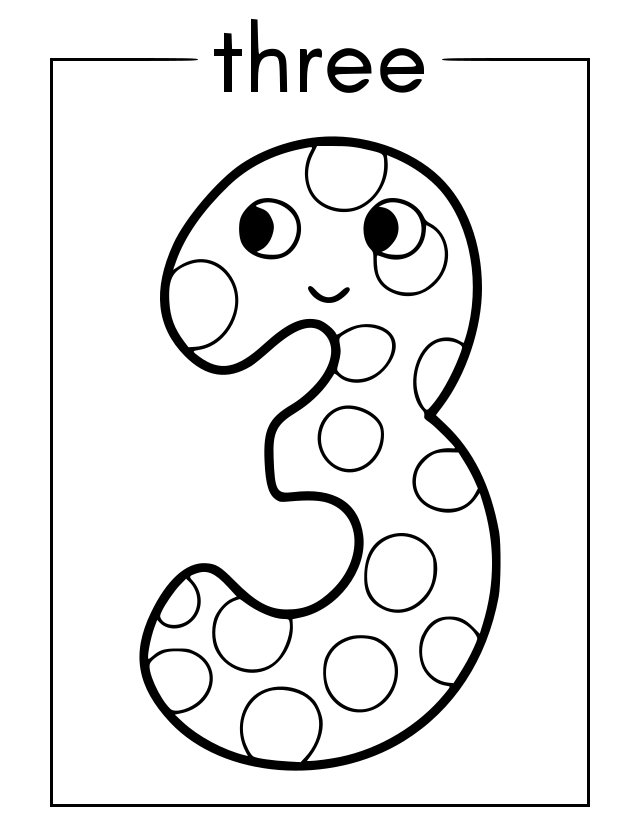
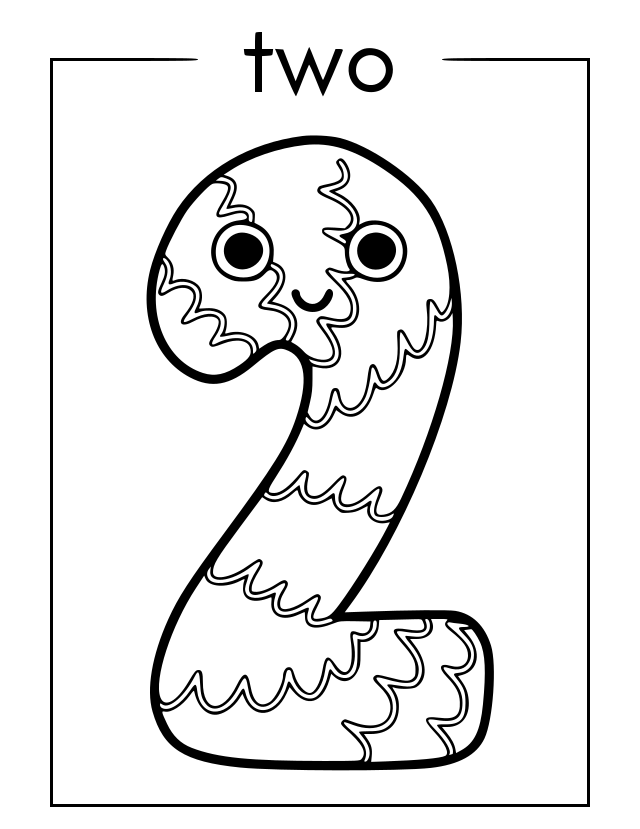
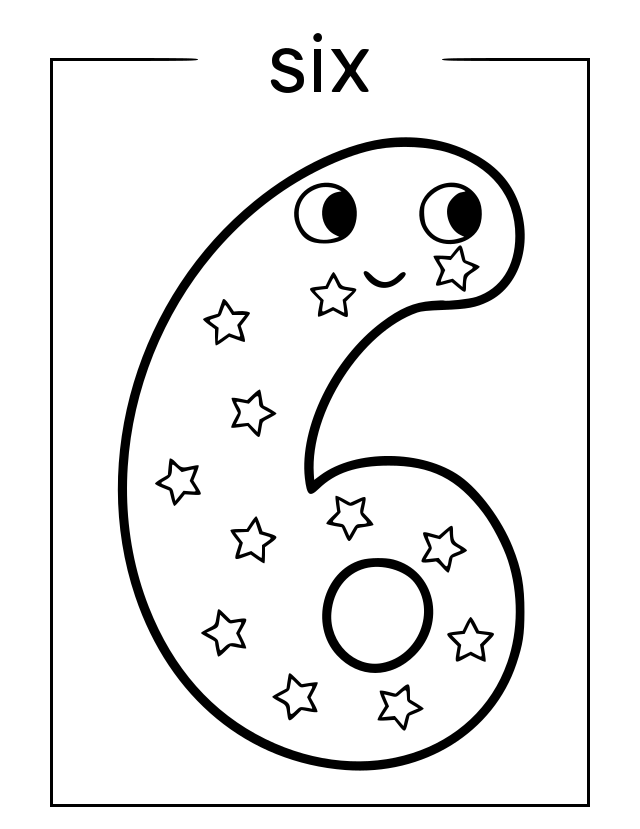
- Cute Numbers — Kawaii-style digits with big sparkling eyes, cheerful smiles and round, adorable forms. These irresistible pages make numbers feel like characters and are hugely popular with young children who love the Japanese cute aesthetic.
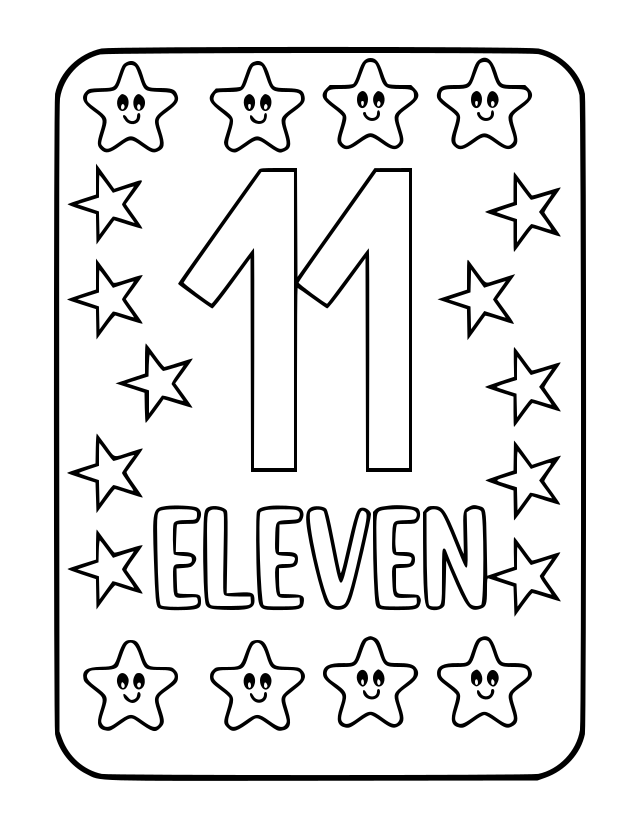
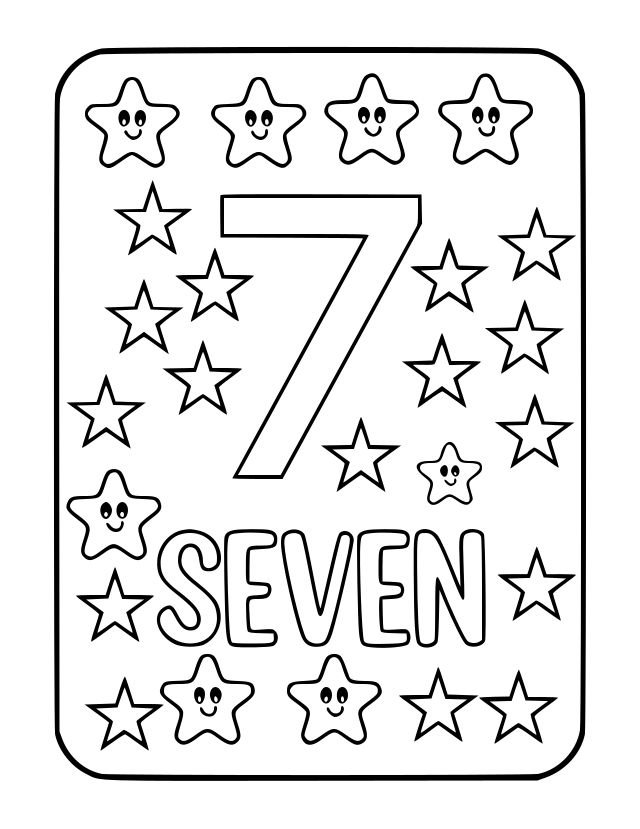
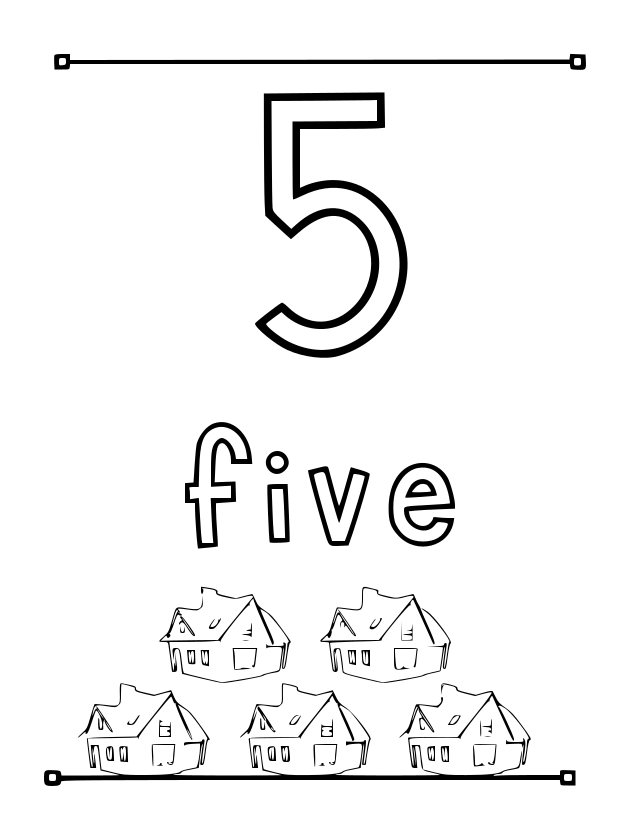
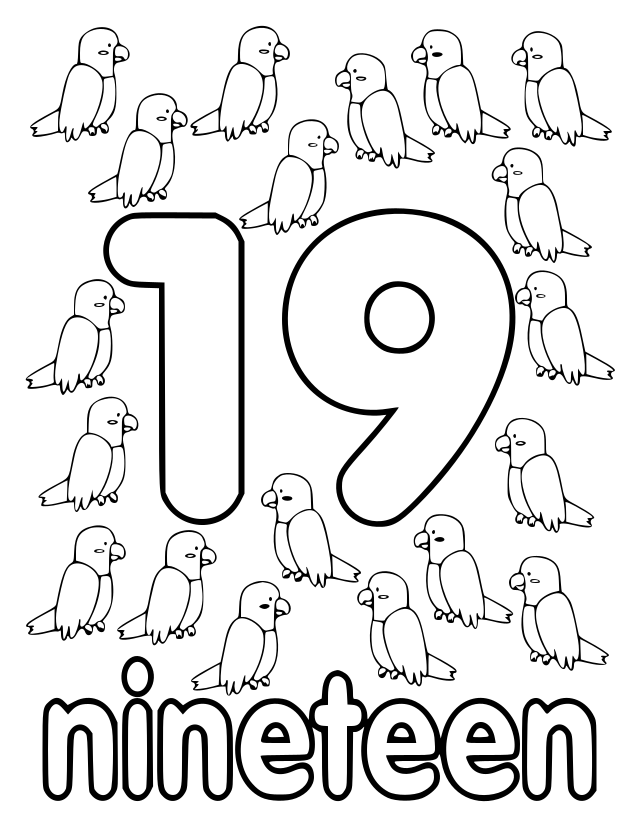
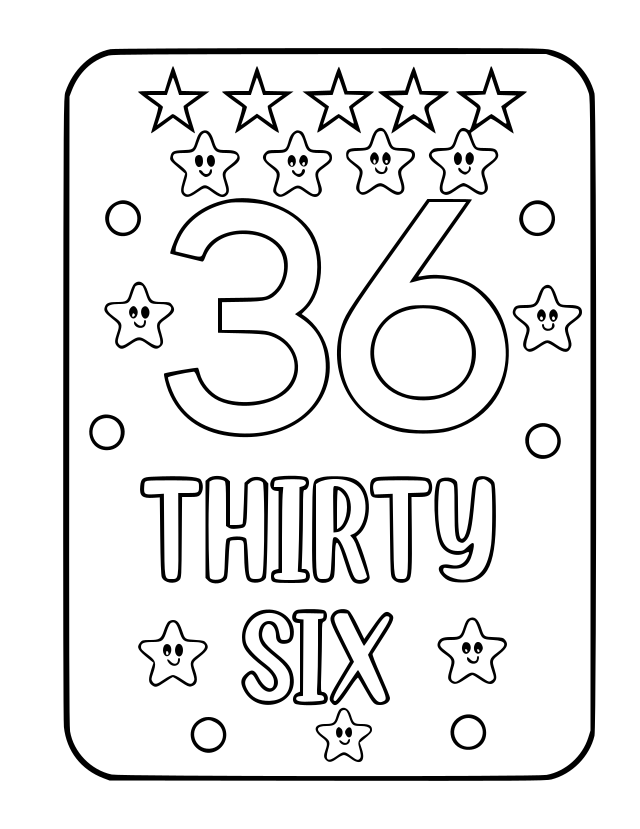
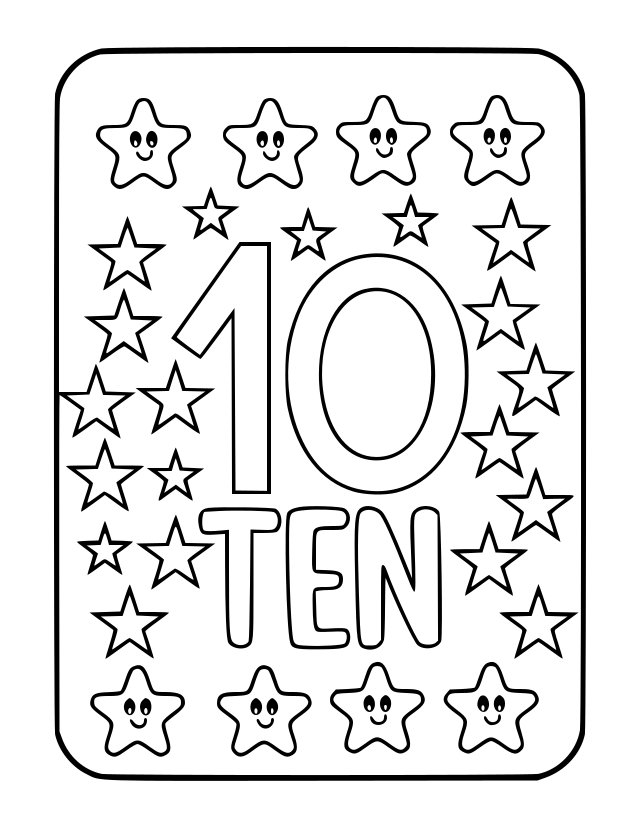
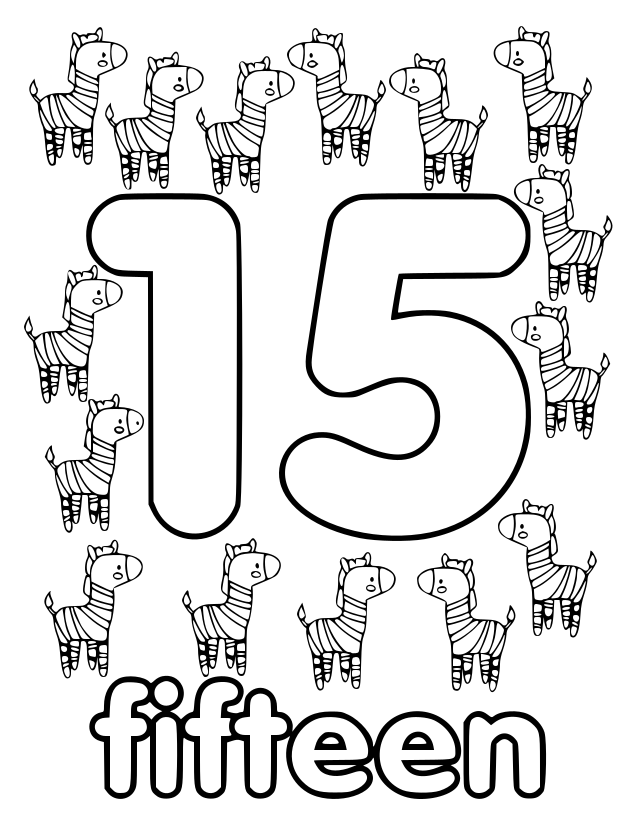
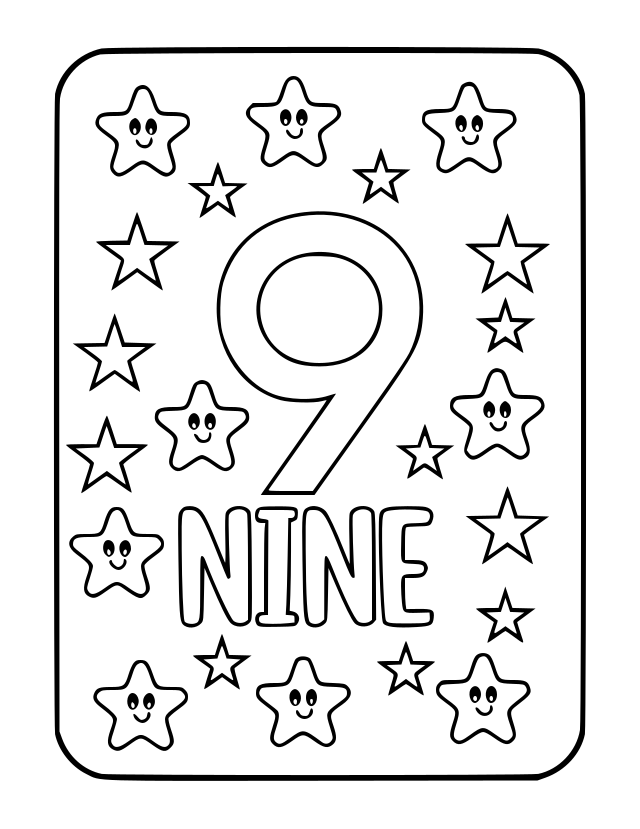
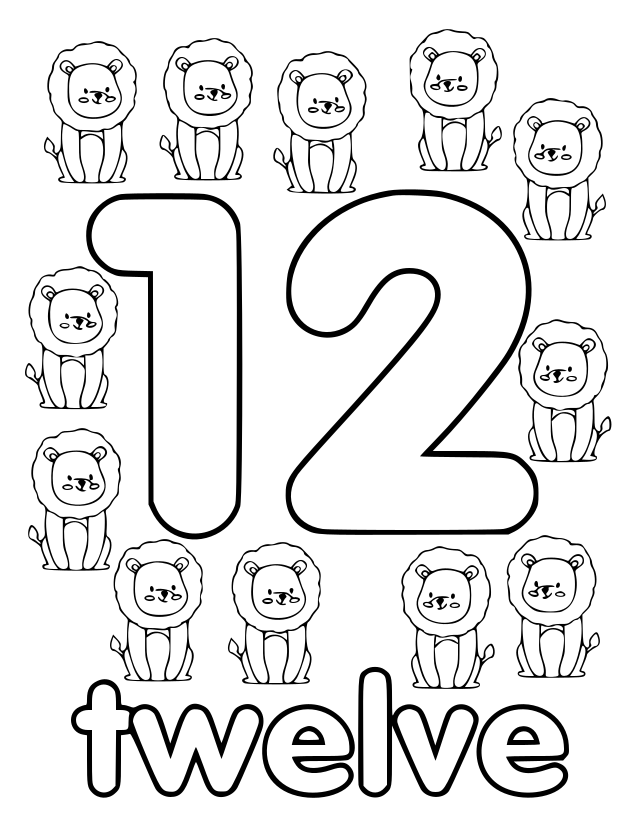
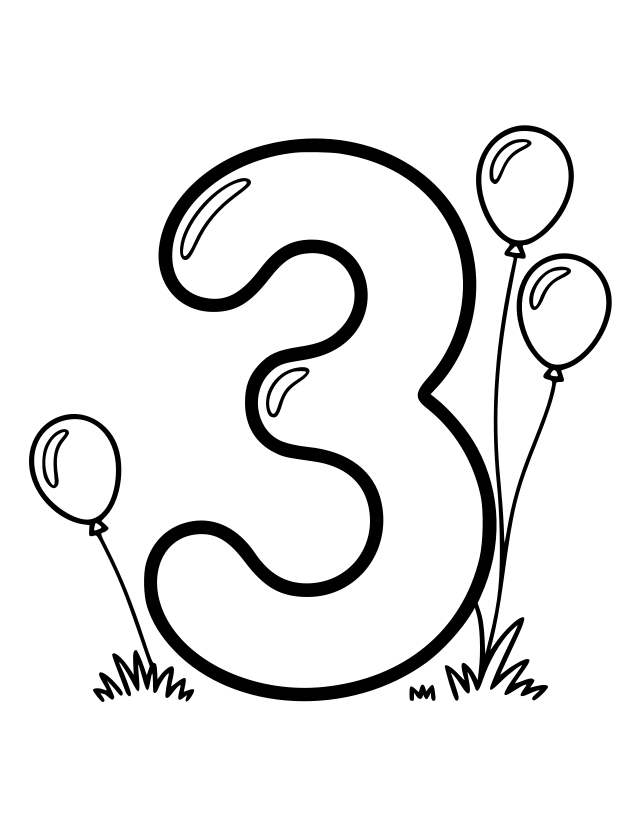
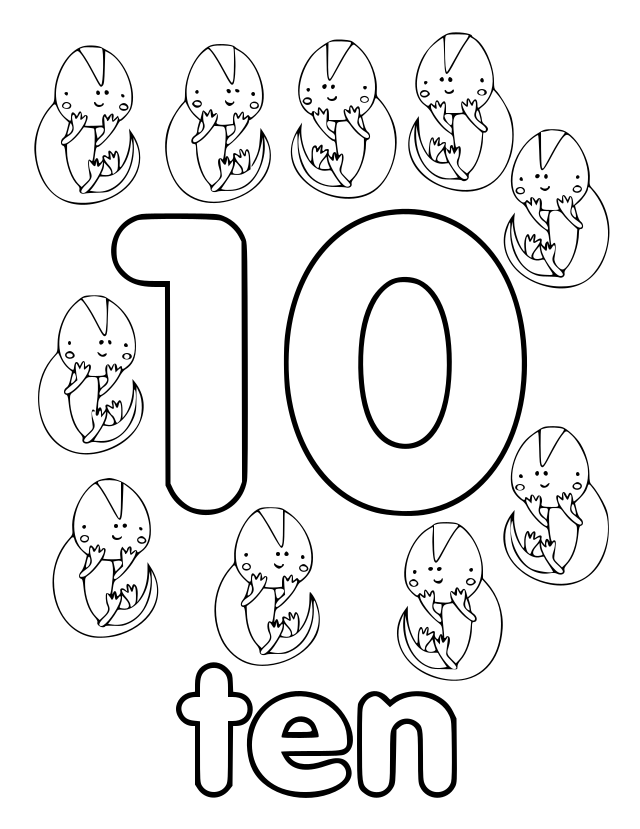
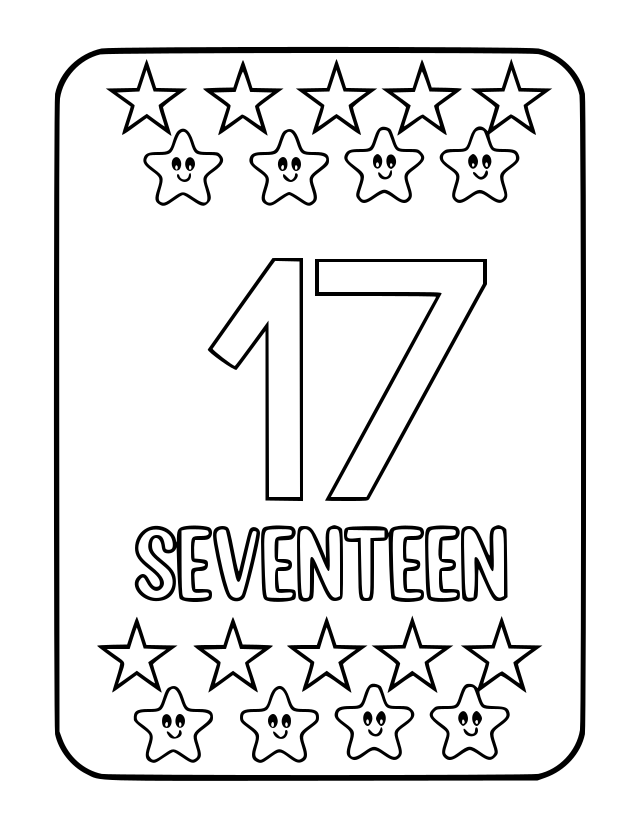
- Illustrated Numbers — Richly detailed number pages in which the digit becomes part of a complete illustrated scene — surrounded by matching objects, characters and decorative elements. Older children and patient young colorists love the detail and the storytelling quality of these pages.
How Coloring Helps Children Learn Numbers
Learning numbers is not just memorisation — it involves recognising shapes, understanding quantity, and building the fine-motor skills that writing will later require. Coloring supports all three of these at once. When a child carefully fills in the shape of a 7, their eyes trace the angle of its diagonal and the shortness of its horizontal stroke. Their hand follows that same path. The shape becomes familiar not just as something they have seen, but as something they have done — a much deeper kind of learning.
The counting pages add a further layer: coloring the numeral 5 and then counting and coloring five objects on the same page creates a direct, experienced link between symbol and meaning. Research in early childhood education consistently shows that multi-sensory learning — seeing, doing, counting aloud — produces stronger and longer-lasting number knowledge than any single approach alone.
Coloring Tools for Number Pages
- Toddlers and preschoolers (2–4) — Chunky wax crayons or thick washable markers. Bold, simple outlines are forgiving and easy to stay inside. Focus on the experience, not the precision.
- Early school age (4–7) — Thinner crayons or fine-tipped washable markers. Children this age enjoy choosing colors intentionally and are beginning to develop opinions about which colors suit which numbers. Let them lead.
- Older children (7+) with illustrated pages — Colored pencils or fine-liner pens. The richer detail in the illustrated number pages rewards careful, patient coloring — and the finished results are genuinely beautiful to display.
Making It a Learning Activity
A few simple habits turn a coloring session into a learning session without making it feel like work. Before coloring, trace the digit in the air together, following its shape with a finger. Say its name, count to that number aloud. While coloring, ask open questions: "What color are you choosing for 6?" "How many stripes does your number 8 have?" After coloring, ask the child to find that number on a clock, a door, a book spine — connecting the learned symbol to the real world is the most powerful reinforcement of all.
Color Palette Ideas for Number Pages
- Rainbow numbers — Assign a different bright color to each digit (red 1, orange 2, yellow 3…). The consistent color-number link creates a second memory hook alongside the shape.
- Pastel kawaii — Soft pink, lavender, mint and baby blue for the cute number pages. White gel pen dots for sparkle in the eyes and digit surface.
- Natural tones for animal numbers — Use each animal's real colors: tawny orange for a fox-shaped digit, sky blue for a bird-shaped one. The link between the animal and the digit is made even more vivid.
- Bold primaries for classic digits — Bright, saturated primary colors (red, blue, yellow) for the simple classic number pages. High contrast makes the digit shape stand out clearly — which is exactly what young learners need.
Printing Your Number Coloring Pages
All 134 number coloring pages are available as high-quality PDFs. A few tips for the best printed result:
- Use A4 or US Letter paper on any standard home or classroom printer.
- Set print quality to High or Best to keep digit outlines sharp and clean — especially important for the classic and counting pages where clarity of the numeral shape matters most.
- Print in black ink only — these are black-line designs ready to be colored. Do not use grayscale mode, which adds an unwanted grey tint.
- Print multiple copies of favourite numbers — children love to color the same number several times in different palettes, and the repetition is genuinely good for learning.
- Consider laminating finished pages to display in a sequence on the wall — a child-made number line from 0 to 9 is both a proud decoration and a useful reference.
All number coloring pages on this site are completely free to print as many times as you like, for personal use, homeschooling, nursery and classroom activities. No sign-up, no watermark, no limit. When your child has finished their numbers, explore our alphabet coloring pages for the perfect next step — or browse the full free printables library for thousands more educational coloring pages and learning activities.